Lameness costs dairy farmers an average of $300 per cow annually, making it one of the industry’s most persistent challenges. It reduces cow comfort and milk production while increasing veterinary costs. One of the biggest barriers to effective treatment isn’t just recognizing a problem—it’s having a consistent way to describe and diagnose it. Without a standard reference, communication between farmers, hoof trimmers, and veterinarians can be unclear, leading to delays in care and inconsistent treatment results.
Enter the ABC Chart: a revolutionary tool that transforms complex hoof diagnoses into clear, actionable steps.
What is the ABC Chart?
The ABC Chart is a diagnostic picture tool that transforms complex hoof diseases into an easy-to-use reference system. Using a simple A-B-C categorization and severity scale of 1-3, it organizes common dairy hoof conditions into clear groups: for example, infectious diseases, laminitis-related problems, and other structural issues. By providing a standardized ‘language’ for hoof health, the chart enables farmers, trimmers, and veterinarians to quickly identify problems and align on treatment plans.
Overview of Dairy Hoof Diseases
Hoof diseases in dairy cattle cause early culling, reduced productivity, and increased management costs. These conditions vary in severity and cause, but impact herd health if not addressed promptly. Understanding different hoof problems is the first step in effective prevention and treatment.
Common Dairy Herd Conditions
Common hoof diseases include:
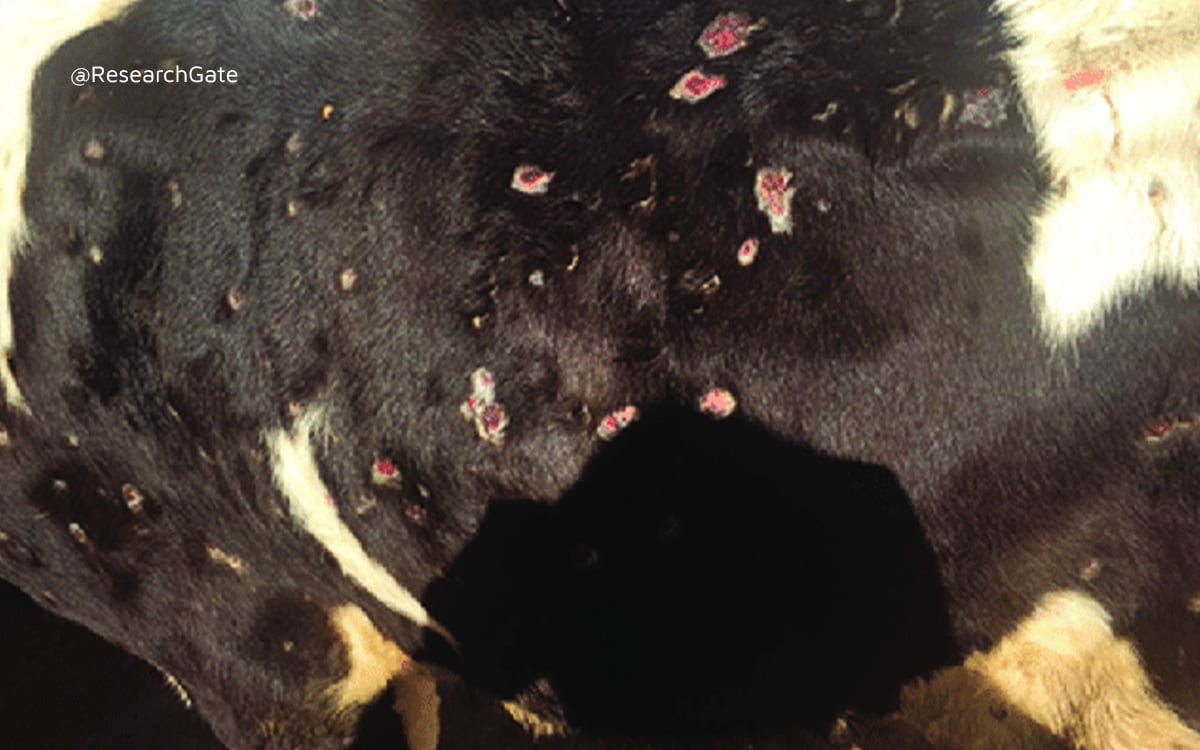
- Digital Dermatitis is a contagious infection typically found in the rear feet, causing painful lesions and lameness.
- Laminitis is linked to metabolic or nutritional stress. This weakens the hoof structure and increases the risk of lameness.
- Sole Ulcers, caused by excessive pressure and poor hoof balance, can lead to chronic pain and mobility problems.
Each condition requires a specific treatment and management plan, making accurate identification essential. Our Hoof Disease Chart shows the protocols for different hoof problems and can be printed easily.
Hoof Disease Reference Chart
The Value of Early Detection
Timely detection of hoof issues allows for quicker intervention and more effective treatment. Routine visual and trimming inspections help identify early signs of disease. Using the ABC Chart tool supports consistent diagnosis and encourages early action, preventing problems from worsening.
Why Hoof Health Is Important
Healthy hooves are essential for a productive dairy herd. Painful hoof conditions reduce a cow’s ability to move, eat, and perform, resulting in lower milk production and increased health costs. Every lameness case directly affects profitability, making hoof health an animal care priority and a sound business strategy. For farms looking to strengthen their approach, we are taking a deeper dive to review and update prevention protocols to tackle lameness more effectively.
Understanding ABC Chart Categories
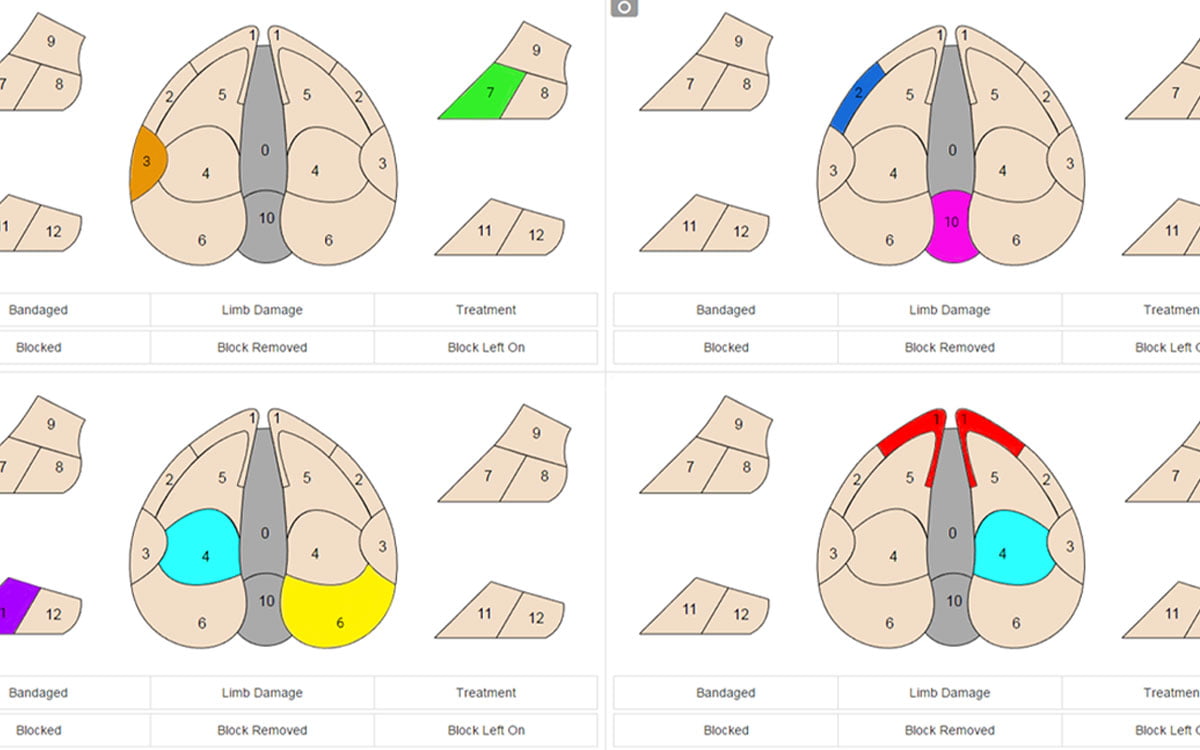
The ABC Chart presents hoof diseases in a column format, assigning each condition a letter and a severity score of 1 to 3. Each is illustrated with reference images showing its progression from mild to severe. While the chart isn’t divided by category, clear patterns emerge to inform treatment strategies. In our post on Effective Strategies for Managing and Preventing Lameness in Cows, we break down hoof diseases into three categories: infectious, laminitis-related, and other structural problems.
The ABC format helps farmers identify a condition, evaluate its severity, and take informed action. It also creates a common language for farmers, hoof trimmers, and veterinarians, leading to consistent diagnoses and better treatment planning.
Unique Design Elements
The ABC Chart is designed for easy use. It features clear visuals, letter coding (A-U), and a severity scale (1-3). For example, “D2” indicates Digital Dermatitis at severity level 2, showing active, painful lesions. Each code pairs with reference photos and brief descriptions, making identification straightforward whether you’re a veteran trimmer or new to hoof care.
Category A: Infectious Hoof Diseases
This category includes highly contagious conditions like digital dermatitis and foot rot, which can spread quickly within a herd, especially in wet or dirty environments. Recognizing early signs—such as swelling, redness, or lesions—is essential to preventing larger outbreaks. The ABC chart helps users spot these issues early and take appropriate steps, such as isolation, treatment, and improved hygiene.
Category B: Laminitis-Related Conditions
Laminitis and related issues fall under Category B. These conditions are linked to diet, stress, poor flooring, or inadequate housing. Examples include sole hemorrhages or ulcers, double soles, and white line separation. Addressing these problems requires long-term management strategies, including balanced nutrition, regular hoof trimming, and stress reduction. The ABC Chart supports early identification and guides farmers toward preventive care.
Category C: Other Hoof Issues
Category C addresses other hoof issues that don’t fit into the previous categories, like corns and injuries. These conditions include lesions that are typically noted as present or absent without severity levels – for example, X represents an Axial Wall Crack. The ABC Chart provides a standardized way to identify and record these conditions to support accurate diagnosis.
Using the ABC Chart Effectively
To maximize the ABC Chart’s benefits, farmers should include it in regular herd health checks. The chart identifies hoof problems during trimming, inspections, or veterinary visits. Regular use leads to faster decisions and targeted care.
Application in Diagnosis
When hoof issues arise, the ABC Chart helps farmers compare observations with a clear visual reference. By matching the condition to the chart, they understand the problem type and severity. This informs next steps—treatment, isolation, or further veterinary consultation.
Prevention and Treatment
It’s important to note that the ABC Chart serves one specific purpose: providing standardized diagnosis and terminology for hoof lesions through descriptions and images. The chart itself does not include treatment recommendations. Once a condition is identified using the chart, farmers should consult professional hoof trimmers or veterinarians for appropriate treatment plans. This standardized diagnostic system helps ensure clear communication between farmers and professionals when seeking treatment advice.
How Farmers Use the ABC Chart
Many dairy producers now use the ABC Chart as a standard tool during herd assessments and hoof trimming. It allows them to speak the same language with trimmers and vets, improving communication and treatment accuracy. Farmers report fewer missed problems, better follow-up, and an overall enhancement in hoof health across their herds.
Benefits of Using the ABC Chart
The ABC Chart is more than a reference tool; it’s a powerful asset for managing hoof health. Consistent use enhances dairy farms’ daily operations and long-term herd health:
✅ Speeds up diagnosis and decision-making
✅ Improves communication between farmers, trimmers, and veterinarians
✅ Reduces treatment and intervention delays
✅ Supports accurate record-keeping and long-term planning
✅ Helps prevent recurring hoof problems through early action
✅ Builds a reliable herd health management system
✅ Strengthens overall farm productivity and profitability
Download the ABC Chart Today.
Ready to strengthen your hoof health program? The ABC Chart is free to download and easy to use in farming routines. Keep it in the barn, bring it to trimming sessions, or use it during herd checks—it’s a useful tool for better outcomes. Download your copy now to enhance lameness prevention and hoof care on your farm.
Meet the Creators of the ABC Chart
Experts in hoof health and dairy management developed the ABC Chart. Their combined experience in veterinary medicine, hoof care, and herd health resulted in a practical and science-based tool.
FAQ
How can I train my team to use the ABC Chart?
Introduce the chart in team meetings or training sessions. Review the categories and severity levels together, and encourage members to refer to it during hoof checks. Post it in work areas and use it during assessments to reinforce its use. Practical learning and regular refreshers will ensure your team confidently applies it.
What should I do when trimming a cow with hoof issues?
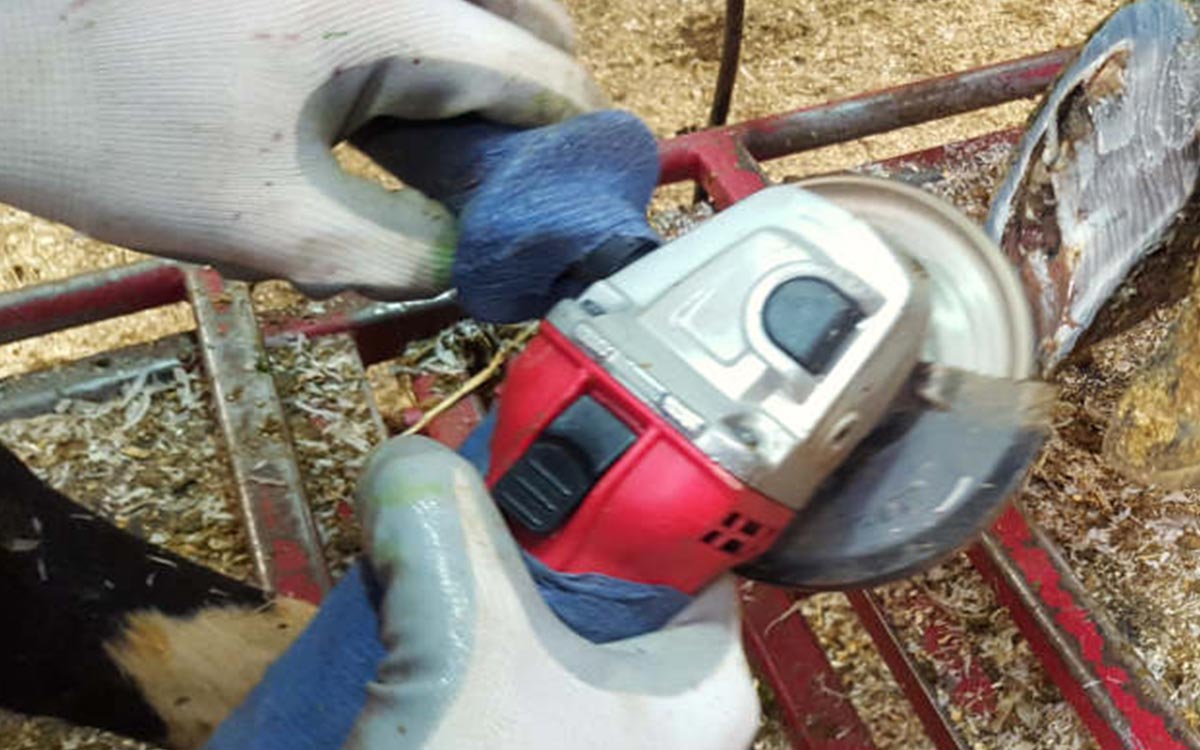
Before trimming, identify the hoof issue using the ABC Chart to determine the right approach and reduce injury risk. If dealing with a serious case, consult a professional hoof trimmer or veterinarian. Proper trimming should relieve pressure, prevent infection, and support recovery.
Are you ready to elevate your dairy hoof health management? Join the Diamond Hoof Care community for exclusive access to our “Hoof Clips” insights. Get expert advice, latest trends, and success stories delivered to your inbox to ensure your livestock’s well-being. Sign up now for valuable content and keep your herd stepping confidently forward.