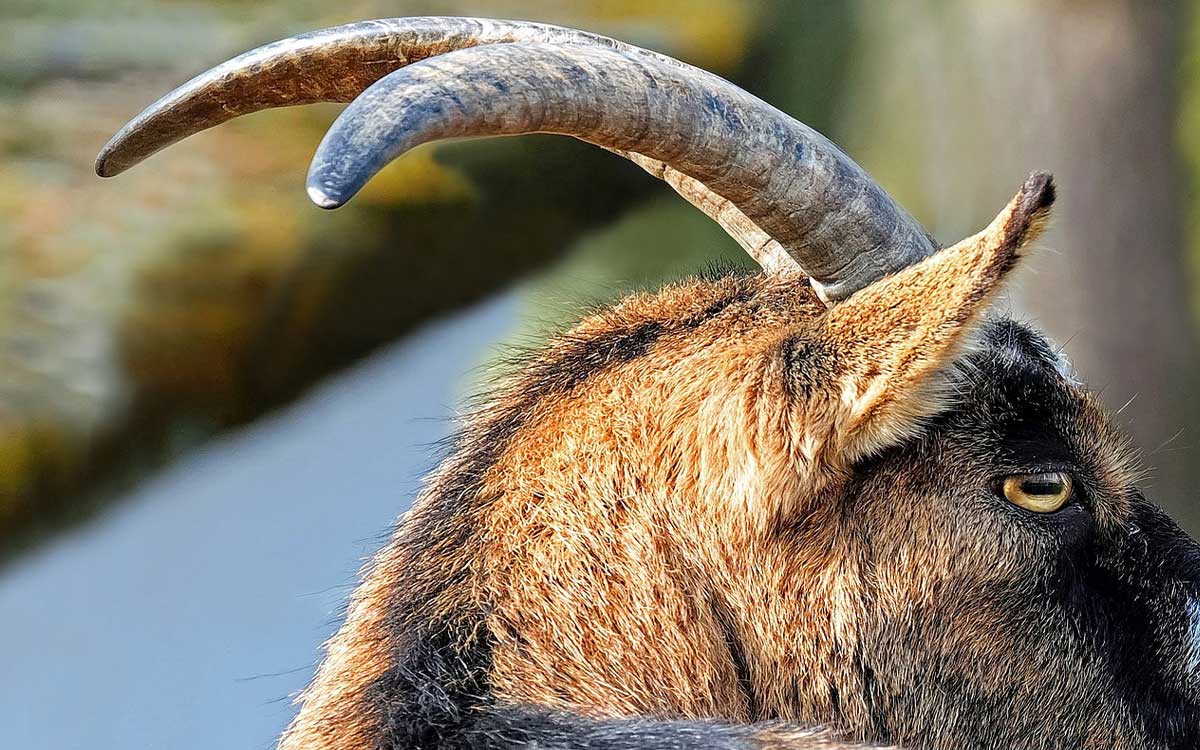
Goat horn cracking is a common and often worrying sight for goat owners. Horns are made of keratin, the same protein found in hooves, hair, and nails, and when they crack, it usually signals something has gone wrong. The good news is that most causes are manageable once you know what you're looking at.
Why Your Goat's Horns Are Cracking
The most common reason for goat horn cracking is a physical injury. Goats are naturally playful and curious animals. They headbutt each other, get their horns tangled in fencing, and bump into hard surfaces regularly. Any one of these incidents can cause a crack or split in the horn tissue.
Other causes of goat horn cracking include:
- Dehydration: dry conditions or insufficient water intake make horn tissue brittle
- Nutritional deficiencies: specifically sulfur and zinc, both of which are essential for keratin production
- Age: older goats naturally have drier horn tissue that is more prone to cracking
- Environmental factors: extreme temperature swings or prolonged exposure to wet conditions followed by drying
In most cases, a single crack that doesn't reach the base of the horn is not an emergency. However, deep cracks that extend toward the coronary band, or cracks accompanied by discharge, swelling, or a foul smell, need veterinary attention as they can indicate infection. For guidance on horn and hoof diseases, the Cornell University College of Veterinary Medicine is a reliable reference point.
Nutrient Deficiency
If your goat's horns are cracking without any obvious injury, the cause may be nutritional. Two minerals in particular play a direct role in horn and hoof quality:
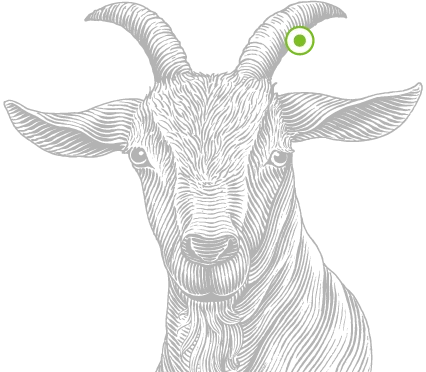
Abundant in horns
quality of integuments
Sulfur
Sulfur is an essential component of the amino acids methionine and cysteine, which are the building blocks of keratin. Without adequate sulfur, the body cannot produce strong, flexible keratin, and the result is weak, brittle horn and hoof tissue that cracks easily. Sulfur is found in good-quality hay and pasture, but goats on poor forage or high-grain diets may be deficient, as covered in detail by ACS Distance Education's animal nutrition courses.
Zinc
Zinc is critical for cell division and protein synthesis, including the formation of keratin. Zinc deficiency in goats typically shows up as rough, scaly skin, hair loss, and poor hoof and horn quality. A blood test or consultation with your vet is the most reliable way to confirm a zinc deficiency before supplementing. Research on zinc and keratin formation in ruminants supports this link between mineral status and integument quality.
Nutritional deficiencies rarely appear in isolation. If your goat's horns are cracking alongside rough coat, slow hoof growth, or reproductive problems, a full mineral panel is worth running.
Always consult your veterinarian before adding mineral supplements to your goat's diet. Over-supplementation, particularly of zinc, can be toxic.
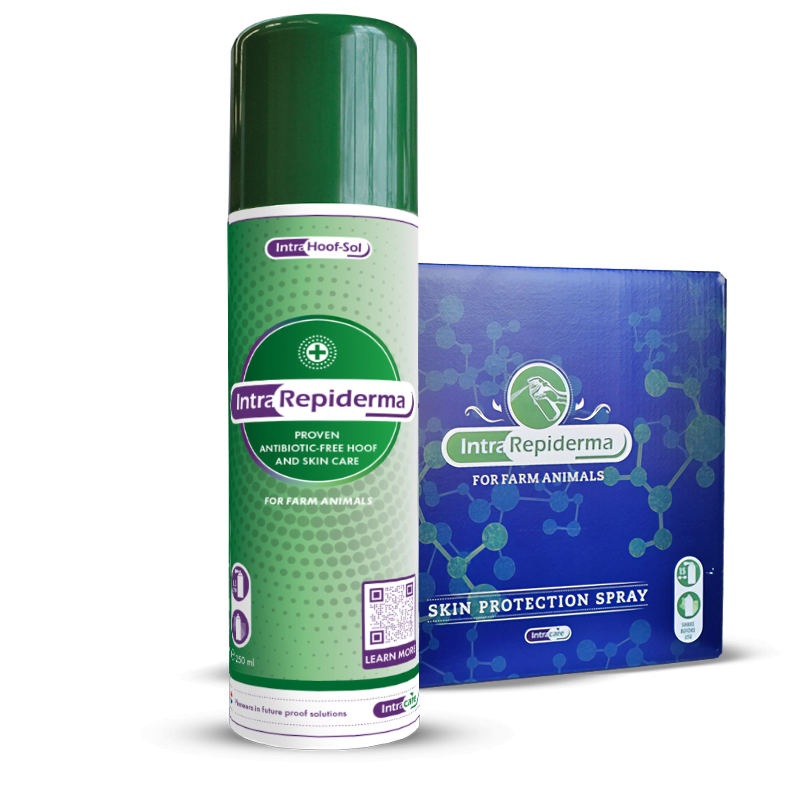
Repiderma
Repiderma is a topical skin care product that supports hoof health, prevents cracks, and protects against minor skin damage between trimmings.
Visit StoreWhat to Do If Your Goat's Horns Are Cracking
The right response depends on the severity of the crack and whether there are signs of infection. Here's a practical approach:
Assess the crack
A superficial crack that doesn't reach the base of the horn and shows no signs of bleeding, discharge, or swelling is generally not an emergency. Monitor it and address any underlying nutritional or environmental causes.
Clean and protect
For minor cracks, clean the area gently with a mild antiseptic. You can apply a small amount of petroleum jelly or a dedicated hoof and horn conditioner to help keep the tissue from drying out further and to reduce the risk of dirt and bacteria entering the crack.
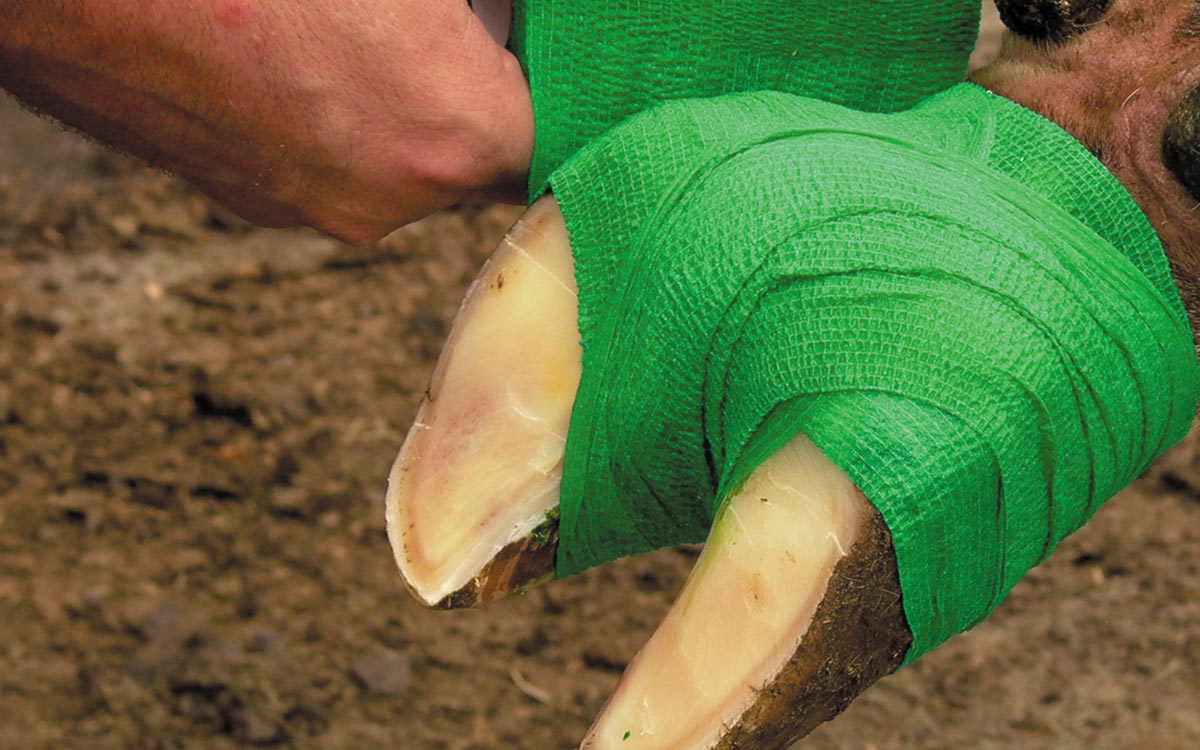
Products like Repiderma are formulated to support skin and tissue repair and can be useful in these situations. For bandaging cracked or damaged tissue, Intra-Tape provides a secure, flexible wrap.
Seek veterinary advice for deep or infected cracks
If the crack is deep, extends to the base, or shows any sign of infection (warmth, swelling, discharge, or odor), contact your vet. In some cases, the horn may need to be stabilized, or antibiotic treatment may be required to prevent the infection spreading to the underlying bone.
How to Prevent Your Goat's Horns from Cracking
Prevention comes down to three things: nutrition, environment, and management.
Nutrition
Ensure your goats have access to high-quality forage and a balanced mineral supplement. Pay particular attention to sulfur and zinc levels, especially if your pasture is grown on mineral-poor soils. Work with your vet or a livestock nutritionist to assess your current feeding program.
Environment
Minimize sharp edges, protruding wire, and rough surfaces in your pens and paddocks. Check fencing regularly for gaps where horns could become snagged. In very dry climates, providing adequate shade and water helps maintain moisture in horn tissue.
Herd management
Monitor goat interactions, particularly among mixed-age or mixed-sex groups during breeding season when headbutting is more common. Separate animals that are causing repeated injury to others. Regular health checks, including a look at horn and hoof condition, allow you to catch problems early before minor cracks become serious. The Ontario Ministry of Agriculture's goat production guidelines provide a practical framework for herd health monitoring.
Final Thoughts
Goat horn cracking is most often caused by injury, but nutritional deficiencies and environmental stress can also be contributing factors. The key is to identify the underlying cause rather than just treating the visible crack. A goat with cracked horns and poor coat condition is telling you something different than a goat with one isolated crack from a fence incident.
If you're unsure about the cause or severity, your vet is your best first call. Catching the problem early, before infection sets in or the crack worsens, makes treatment far simpler and less costly.