Do cow horns ever stop growing? Hornless cows have become a common sight today, which could lead many to think that cows or bulls do not grow horns naturally. However, this is an erroneous assumption: cows grow horns unless they are bred as polled, dehorned, or disbudded as calves. This raises another key question: do cow horns grow continuously?
The horns grow continuously throughout the cow's life. This happens because cow horns are permanent, not seasonal. In addition, the hollow bone that makes up the core of the horn is the only bone in cows that grows perpetually.
It's important to understand how cow horns grow to fathom why they grow continuously. This article covers both issues, as well as the question of whether cow horns can grow back when broken or cut off.
What Are Horns?
Horns are the hard growths that appear in pairs on the heads of cattle. They have a bone texture at the core and are covered with keratin on the outside. Keratin is the fibrous protein that's also the primary material making up hooves, nails, hair, feathers, claws, and the external layer of the skin in vertebrates.
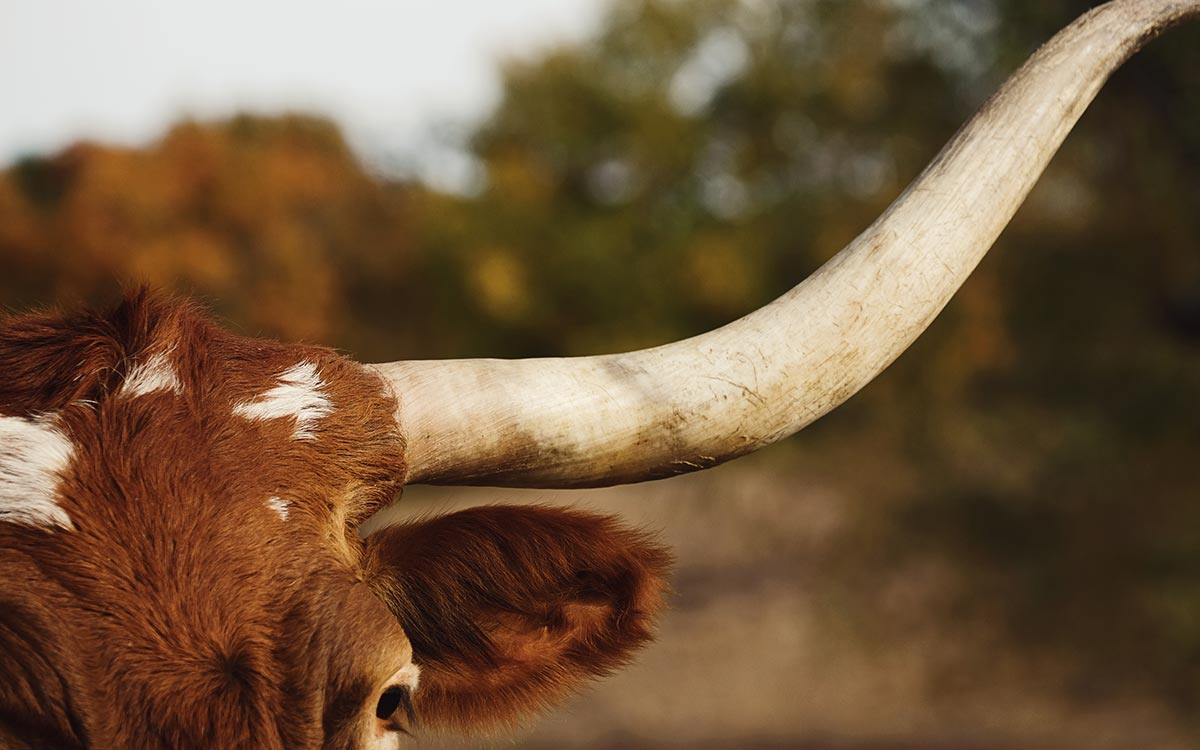
Horns are different from antlers found in wildlife: they are continuous and not branched. In cattle, horns can vary in shape and size depending on breed and sex. Bulls tend to have longer and larger horns, and breeds like the Texas Longhorn have longer horns than the commonly known dairy breeds.

Why Do Cows Have Horns?
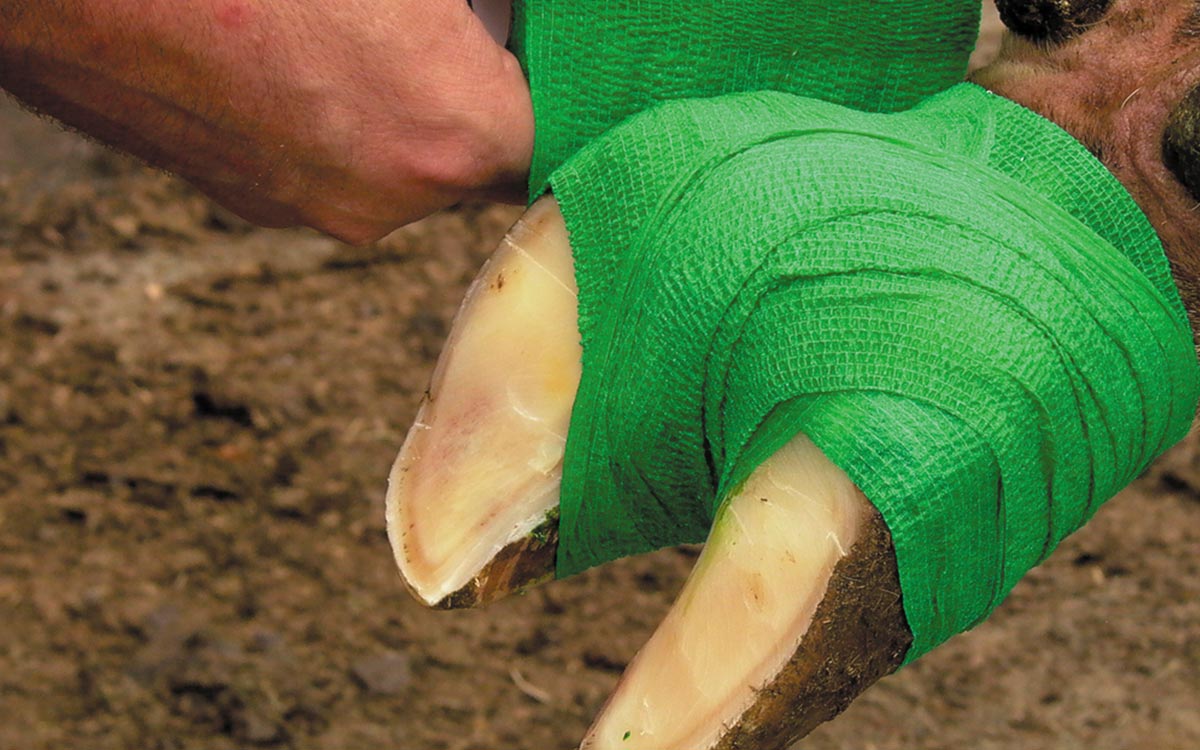
As a dairy hoof trimmer, Koos has dealt with his fair share of horned cows. Horns often catch ropes in the chute and can turn a routine trimming into a frustrating ordeal, especially with a particularly difficult cow. That raises a practical question: why exactly do cows have horns in the first place?
Here are the main reasons cows develop horns:
- Temperature control: horns help cattle regulate body temperature; blood vessels inside the horns release heat, keeping the animal cool in hot environments
- Defence: horns are natural defence tools, protecting cattle from predators and allowing them to defend themselves and their young
- Foraging and digging: horns assist cattle in foraging behaviour, helping them dig or uncover roots and plants
- Dominance and communication: horns play a crucial role in herd hierarchy and social interactions
For a domestic dairy cow, some of these natural horn benefits become irrelevant or even problematic. Horned cows in a dairy barn can cause damage to facilities or injure themselves and other cows. Getting horns stuck in the feed bunk, for example, turns a simple feeding into a stressful situation for everyone involved.
Do Cows Have Horns?
Both male (bulls) and female (cows) cattle can have horns. Whether or not cattle develop horns depends mostly on their genetics, not their gender. Many breeds are naturally horned, meaning both males and females can grow horns. However, farmers often prefer hornless cattle for safety reasons, and through selective breeding some breeds are naturally polled (hornless), while others are commonly dehorned at a young age.

Do All Cows Have Horns?
Not all cows have horns. Selective breeding practices have produced certain breeds that naturally do not develop horns (known as polled breeds), which reduces the need for dehorning and minimizes the risk of injuries on farms.
Breeds that naturally grow horns
Several cattle breeds naturally grow horns due to their genetic makeup. These breeds typically maintain their horns unless farmers actively remove them. Examples include:
- Texas Longhorn
- Scottish Highland
- Holstein (if not selectively bred for polling)
Breeds that are naturally polled (hornless)
Other breeds have been selectively bred over time to be naturally hornless. These breeds do not require dehorning and are often preferred for their safety advantages. Examples include:
- Angus
- Polled Hereford
- Red Poll
Dehorning and disbudding of cattle
In commercial farming, calves from breeds that naturally develop horns often undergo dehorning or disbudding. These processes involve removing or preventing horn growth when calves are very young, which helps maintain farm safety by reducing the risk of injury among cattle and handlers.
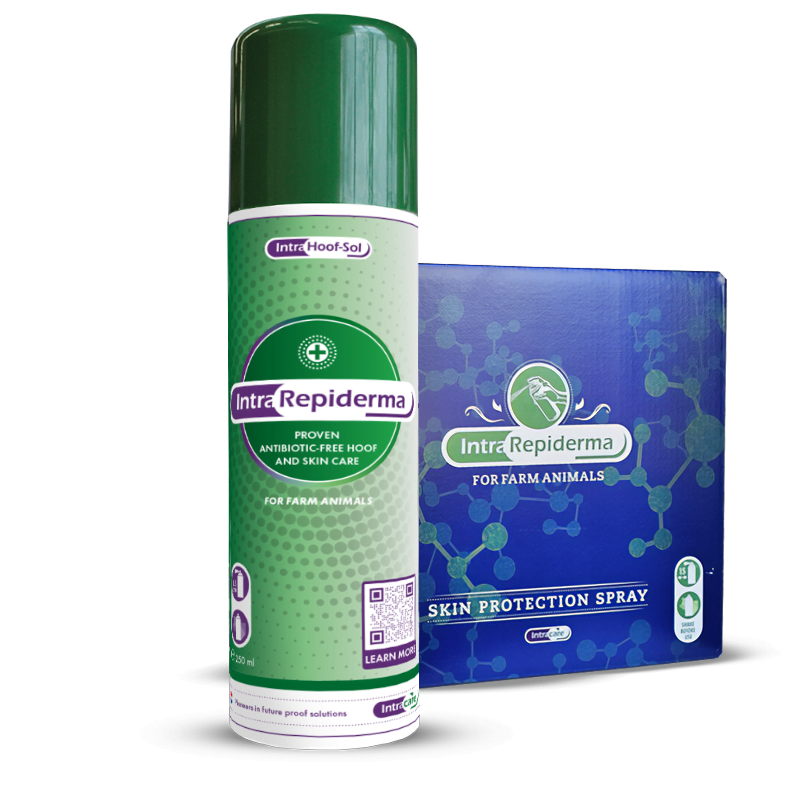
Repiderma
Repiderma is a topical skin care product that supports hoof health, prevents cracks, and protects against minor skin damage between trimmings.
Visit StoreDo Cow Horns Grow Continuously?
Yes, they do. The hollow bone of the horn is the only bone that grows during a cow's entire life, which means horn growth never truly stops.
Unlike animals that have antlers and shed them seasonally, cows never shed their horn bone and sheath. Their horns never stop growing, even though growth slows down as the cow gets older.
Texas Longhorn cows, for example, grow their horns their entire life but gain most of their horn length by the time they are six or seven years old. After that, horn growth significantly slows down. For a deeper look at timelines, see the article on how long it takes for a cow horn to grow.
What Length Do Cow Horns Reach?
There's no standard length for cow horns; it depends on the breed and the family line. In general, dairy breeds have relatively shorter horns than beef breeds.
Cow horn size can be measured in different ways:
- Tip to tip: place the end of the measuring tape on the tip of one horn and extend it to the tip of the other horn
- Total horn: the total length of each individual horn
- Base circumference: the measurement around the base of each horn
- Composite size: the sum of tip-to-tip length, the total for both horns, and the base circumference of both horns
A study at Kansas State University measuring horn growth among Brahman and Longhorn heifers over a 194-day feedlot period recorded notable differences between breeds in tip-to-tip length, individual horn length, and base circumference growth rates. Cow horn length can also be affected by wear or damage, and sometimes damage to a cow's horn leads to its irreversible loss.
| Average Initial Measurement | Average Final Measurement | Total Average Growth | |
|---|---|---|---|
| Tip to Tip | 33.0 cm (13 in) | 44.4 cm (17.5 in) | 11.4 cm (4.5 in) |
| Total Horn (Single Horn) | 9.5 cm (3.7 in) | 17.0 cm (6.7 in) | 7.5 cm (3 in) |
| Base Circumference | 13.1 cm (5.2 in) | 16.2 cm (6.4 in) | 3.2 cm (1.3 in) |
Horn growth measurements vary significantly between breeds, particularly between dairy and beef cattle.
How Do Cow Horns Grow?
Like all other cow body parts, horns begin growing during gestation. Studies by the Davies Livestock Research Centre compared horned and polled cow fetuses and found that the horn bud in cows is already formed by day 58 of gestation. At this stage, the horn buds look like depressed skin, and the bud is denser than the surrounding tissues, having six to eight layers as opposed to one or two layers in adjacent tissues.
By the fifth month of gestation, cow fetuses have a small protrusion on the skull. This protrusion is what's considered the horn bud at birth, usually a tiny, dark, and hairless patch covered by a rosette of hair.
Several weeks after birth, the horn bud develops further and grows upwards. By then, it is a sheath that connects to the skin (not the skull) and can be held and moved with the fingers.
By the time the calf is two to three months old, the forehead bone develops and grows into the horn sheath. Initially, the bone is a skeleton of cartilage, but later becomes solid and attaches to the skull.
At 12 months, the frontal sinus connects to the surrounding portion of the horn. As the cow grows, the sinuses spread to the core of the horn, creating the hollow part. This hollow bone will keep growing even when the cow fully matures.
Conclusion
Unless intentionally bred as polled, dehorned, or disbudded as calves, cows will naturally develop horns. Horn development commences during gestation and continues throughout the cow's life, which explains why cow horns grow continuously.
The length of a cow's horn is primarily determined by its breed and family genes. If damaged due to an accident or a dehorning procedure, the horns remain so for the rest of the cow's life; they won't grow back.
Frequently Asked Questions
Do cow horns grow back?
Cow horns can grow back if the dehorning process isn't done correctly. If the horn growth cells are not fully removed or damaged, horns can partially regrow. Proper dehorning techniques usually ensure horns do not return, emphasising the importance of performing this process carefully.
Do cows shed their horns?
No, cows do not shed their horns. Horns are permanent structures made of keratin, the same material found in human fingernails. Unlike antlers, which deer shed annually, horns continue to grow throughout a cow's life and are not naturally replaced.