

Wool loss can be a grave problem for sheep owners. However, understanding the possible reasons behind it can help tackle the issue successfully.
Wool can fall off sheep due to external parasites, such as lice or scab mites. Photosensitization resulting from photosensitive chemicals in sheep’s skin can also lead to wool loss, as well as other forms of dermatitis (such as lumpy wool). Copper or cobalt deficiency can also cause the wool to fall off.
In this article, I will explain four possible reasons for wool loss in sheep backed by studies and evidence from experienced vets and farmers. Read on to discover what could be behind your sheep being itchy and losing wool.
1. External Parasites
One of the most common reasons for wool loss in sheep is external parasites, mainly lice and scab mites. Among other symptoms, external parasites cause skin irritation and scratching, which is how you can tell they are the problem.
Scab mites cause severe wool loss due to the sheep pulling it out and biting it off. This happens because of the extreme irritation, which also leads to restlessness. The presence of the parasite first manifests through a small patch of reddened skin, and you may spot yellow or greenish swelling.
The infection initially spreads fast but then slows down, and the affected surface gradually grows over time. If the wool loss is accompanied by similar symptoms, it is likely that scab mites are at fault.
The most reliable way to determine that scab mite infection is indeed the case is by finding the parasites on the animal. Typically, scab mites can be easily seen on the sheep’s skin, but they could also hide a few centimeters into the wool itself, making them harder to spot.
Lice, on the other hand, can quickly spread in dry seasons. Large infestations are typical in fall and winter. Since the animals remain in constant contact, the parasites spread quickly. Paired with the sheep’s poor state, which is sometimes the case in cold seasons, this results in infections that cause severe problems, including wool loss.
Like scab mites, lice cause skin irritation. One of the signs the animals are affected by parasites is seeing them rubbing against fences or biting themselves, which sometimes leads to them biting the wool off.
The best way to fight external parasites is through dipping. You should do this either three weeks before shearing or right after.
2. Photosensitization
Photosensitization is another condition that can cause wool loss. It is most common in white-colored animals and in less-pigmented areas of skin and wool. It occurs due to photosensitive chemicals in sheep’s skin coming into contact with sunlight.
Typically, these chemicals enter the animal’s system through food, but the disease could also start from contact. Photosensitization is essentially dermatitis, and the symptoms mainly include edema and lesions, sometimes accompanied by wool loss.
There are three types of photosensitization: primary, secondary, and aberrant.
Primary photosensitization is caused by chemicals that already exist in certain plants and can be turned into toxins when exposed to sunlight.
Secondary photosensitization occurs when initially non-photosensitive compounds get transformed into toxins as a result of metabolism. When the liver fails to excrete these toxins, they start to gather in the animal’s blood, eventually leading to the disease.
Aberrant photosensitization is rare. It comes from a fault in the way the animal makes its own pigments, such as inherited porphyria.
All three types are caused by different kinds of photosensitive chemicals but have similar symptoms. The areas where the skin is most exposed (ears, eyelids, and tails) usually suffer first. If left untreated, the disease keeps progressing, eventually causing tissue necrosis.
The first thing to do if an animal is suffering from photosensitization is to remove toxic plants from its diet and limit exposure to sunlight. You may also want to move the sheep to a barn or another place where they can rest in the shade and feed them with hay, avoiding all greens. For further treatment, it is essential to consult a vet.
3. Mineral Deficiency
Mineral deficiency is another common cause of wool loss in sheep. It is a broad term that denotes insufficient amounts of various types of minerals essential for the animals’ growth and health.
A couple of examples include copper and cobalt deficiency. The latter is accompanied by symptoms often associated with a poor diet, such as:
- Lethargy
- Slow growth
- A weak body
- Loss of appetite
Lack of cobalt also means the sheep can’t make enough vitamin B12, which the rumen microbes build from cobalt.
Copper deficiency is another common condition that often occurs when iron, sulfur, and molybdenum are prevalent. They tend to suppress copper, resulting in poor fleece or wool loss. Poor nutrition and stress can also leave a weak spot along the fibre, which shearers know as wool break in sheep.
It is important to ensure that all nutrients, vitamins, and microelements are present in the diet in sufficient quantities. If you suspect that your sheep are suffering from mineral deficiency, contact a vet to determine what you must do about it.
Cobalt is typically supplied to the animals orally, while copper can be effectively injected. However, it is vital to remember that excess copper is toxic to sheep, so any treatment decisions should be made only after consulting a specialist.
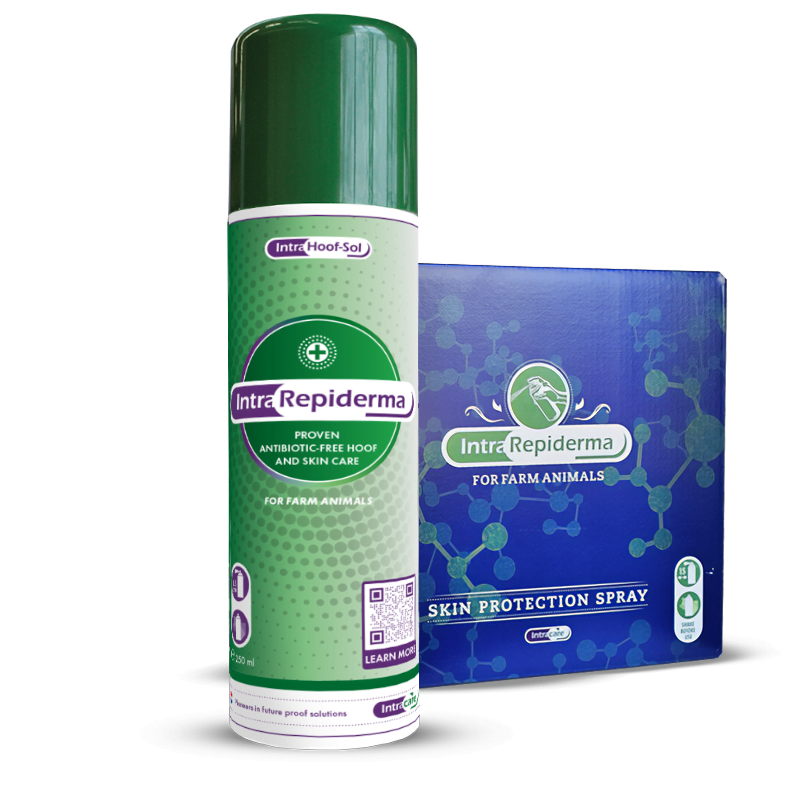
Repiderma
Repiderma is a topical skin care product that supports hoof health, prevents cracks, and protects against minor skin damage between trimmings.
Visit Store4. Lumpy Wool
Lumpy wool in sheep is a bacterial infection also known as mycotic dermatitis. It affects sheep’s skin and causes wool reduction or loss. The condition is most common in wet areas and climates where the wool doesn’t get to dry completely. Moisture activates the bacteria, causing them to multiply and spread the infection.
In the most severe cases, lumps of wool, along with dead skin and pus, form layers of thick fleece mass, which is characteristic of this condition. However, the signs are often not as obvious. Sometimes, only tiny scabs are visible on the ears or face of the animal. This is a sign of mycotic dermatitis, too. Intra Repiderma can be of help to promote healthy skin.
Typically, the disease is treated with antibiotics after consultation with a veterinarian. To prevent it from spreading among the population, sick animals should receive treatment four weeks before shearing, and the young and healthy ones must be sheared first.
How to Tell Which Cause It Is
The four causes often look alike at first. What you see on the sheep, and when, points to the most likely one.
Frequently Asked Questions
Why is my sheep losing wool in patches?
Patchy wool loss with itching, rubbing against fences or biting at the fleece most often points to external parasites, mainly scab mites or lice. Small scabs on the ears or face, or lumps of matted wool after wet weather, point to lumpy wool. Sore, swollen skin on the ears, eyelids and tail of light-skinned sheep after time in the sun points to photosensitization.
Is wool loss in sheep contagious?
It depends on the cause. Scab mites and lice spread quickly between sheep in constant contact, and lumpy wool spreads through the flock when the wool stays wet. Photosensitization and mineral deficiency are not contagious, but several sheep on the same pasture or feed can show them at the same time.
When should I call a vet about wool loss?
Call a vet when you suspect photosensitization, a mineral deficiency or lumpy wool. Photosensitization needs treatment beyond shade and hay, a mineral deficiency should be confirmed before you supplement because excess copper is toxic to sheep, and lumpy wool is usually treated with antibiotics.