


Wool break in sheep occurs when thin, weak areas develop in the wool fibres, causing the fleece to break apart easily when handled. It affects most flocks at some point, and identifying its stress-related triggers gives farmers the power to prevent it. This article covers the six common causes, how long wool takes to grow back, and what to do about it.
Wool break in sheep is caused by stress, malnutrition, illness, pregnancy and lambing, parasites, and natural shedding in some breeds. These factors weaken the wool fibres, so the fleece breaks during handling. Broken wool cannot be repaired, but proper nutrition and stress management prevent most wool break, and a full fleece grows back in about a year.
What Is Wool Break in Sheep?
Wool break in sheep is a weak spot along the wool fibre, where the fleece snaps or pulls apart more easily than it should. Colorado State University Extension’s wool glossary defines a break as wool that is abnormally weaker in one spot along the fibre, and tender wool as fibre with a distinct weakness or break in it, usually the result of health or stress.
You can check for it by taking a lock of wool between two hands and giving it a firm tug. Sound wool holds. Wool with a break comes apart at the weak spot.
As a professional cattle hoof trimmer, I meet sheep farmers at tradeshows who stop by my booth to discuss animal health issues. I’ve learned that wool break can’t always be prevented, but there are proven ways to reduce the risk. It’s not always a problem since it occurs naturally in some breeds, as I’ll explain later.
1. Stress
The primary cause of wool break in sheep is stress or trauma. Reasons for sheep stress include:
- Harsh weather traumatizes sheep. Storms, freezing temperatures, and extreme conditions are stress factors for your flock.
- Predator attacks. Sheep are vulnerable to many predators. Taking appropriate precautions prevents animals from being threatened or harmed.
- Illnesses. Sick animals get stressed, causing itching that weakens or damages wool fibres.
- Moving creates stress. Purchasing sheep at auctions or from neighbours and transporting them adds to this stress. Animals need time to acclimate to new environments.
- Pecking order. Sheep have internal hierarchies. During feeding, lower-tier animals are pushed around, causing poor nutrition and stress.
Even if the farmers feed the sheep well during stressful periods, they may still experience wool break. Their bodies divert nutrients from the wool to other areas that need them more, like areas affected by illness. As nutrients are essential to healthy wool growth, fewer nutrients mean thinner or weaker wool.
2. Malnutrition
Nutrient deficiency leads to wool break, so malnutrition is a major cause of thin, loose wool in sheep. The Merck Veterinary Manual puts it this way: a low level of nutrition produces less wool, with fibres so thin that breaks occur, which markedly lowers the worth of the fleece. Stress may cause it to occur; stress at the feed bunk should be prevented.
Malnutrition can result from inadequate or inappropriate feeds. It is also seasonal due to poor autumn feed quality and insufficient nutrition for the sheep.
If the whole flock shows wool break signs, consider replacing or supplementing the feed and ration.
If only one or two sheep have wool break, malnutrition could be a factor. The affected animals may be at the bottom of the pecking order, so they can’t compete for food, leading to stress and malnutrition.
If you identify these sheep, provide ways for them to feed properly without being bothered by their companions. Water is a critical nutrient often overlooked in sheep nutrition. A 50-kg sheep can be expected to drink 2 to 4 gallons of water a day under maintenance conditions, according to Merck, and clean, fresh water must be readily available at all times.
Young sheep suffer from wool break more often than adult sheep. This is not necessarily because they’re underfed; it’s simply that their bodies are still developing, so the nutrients are better spent on growth rather than wool formation.
Regular meetings with your nutritionist or feed mill are important to ensure balanced rations and proper nutrients for your flock. If you don’t have a nutritionist, your local feed store can evaluate your current feed program and suggest improvements.
3. Diseases and Infections
Illness causes wool break because the body diverts nutrients to heal the animal. Expect wool growth to be a low priority during this time, and it will be thinner and weaker.
Wool thickness usually returns to normal after the animal recovers, but there are exceptions. If the illness damaged the hair follicles, the wool may not grow back or its quality may remain low.
These illnesses and infections cause wool break in sheep:
- Pneumonia
- Johne’s disease
- Ringworm
- Mastitis
If you suspect any of the above, contact your veterinarian for a health check of your flock and treatment assistance. My expertise is in cattle hoof care, and I recommend working with a qualified veterinarian for proper diagnosis and treatment of sheep health issues.
4. Pregnancy and Lambing
Late pregnancy and lambing put a small break in the wool of most ewes. Michigan State University explains that the metabolic stress of late pregnancy, and especially early lactation, weakens the fibre, because surges of the stress hormone cortisol slow wool growth and fewer nutrients reach the wool follicle.
Before lambing, farmers shear pregnant ewes to avoid wool break affecting fleece quality. With the ewe shorn before lambing, the break sits at the very tip of the new fibre, where it does no harm. If she is shorn midway through the lambing season instead, the fibre can break in half, which reduces its usefulness. Most sheep farmers shear their ewes 30 to 45 days before lambing. Michigan State advises never shearing closer than two weeks before lambing, because that adds stress for the ewe and her lambs.
Other benefits of early shearing include:
- Healthier and more productive lambs
- Drier, cleaner ewes
- Easier feeding for the ewe and lamb
- Better lamb survival rates
Our sheep shearing guide covers timing, technique and aftercare.
5. Parasites
Parasites cause wool break in two ways: they take nutrients from the sheep, and they make it itch. Sheep can host various parasites, leading to illnesses and stress. Coccidia, a parasite that lives in the intestines, causes coccidiosis. It triggers wool break by interfering with nutrient absorption.
Some parasites can cause itching. NADIS, the UK animal disease information service, lists sheep scab mites, lice and ticks among the causes. As animals rub against surfaces, they damage their wool fibres, leading to wool loss or poor-quality fleece. Regardless of whether parasites directly cause wool break or contribute to fleece damage through scratching behaviour, affected sheep should receive prompt treatment to prevent further complications and maintain flock health.
As a cattle hoof trimmer, I often work with products that promote healthy skin and hoof care. I met a professional sheep shearer in Ontario at a recent tradeshow, who mentioned using Intra Repiderma to promote healthy skin in sheep. While my expertise is in cattle hoof care, farmers dealing with wool break issues may want to explore products that support skin health.
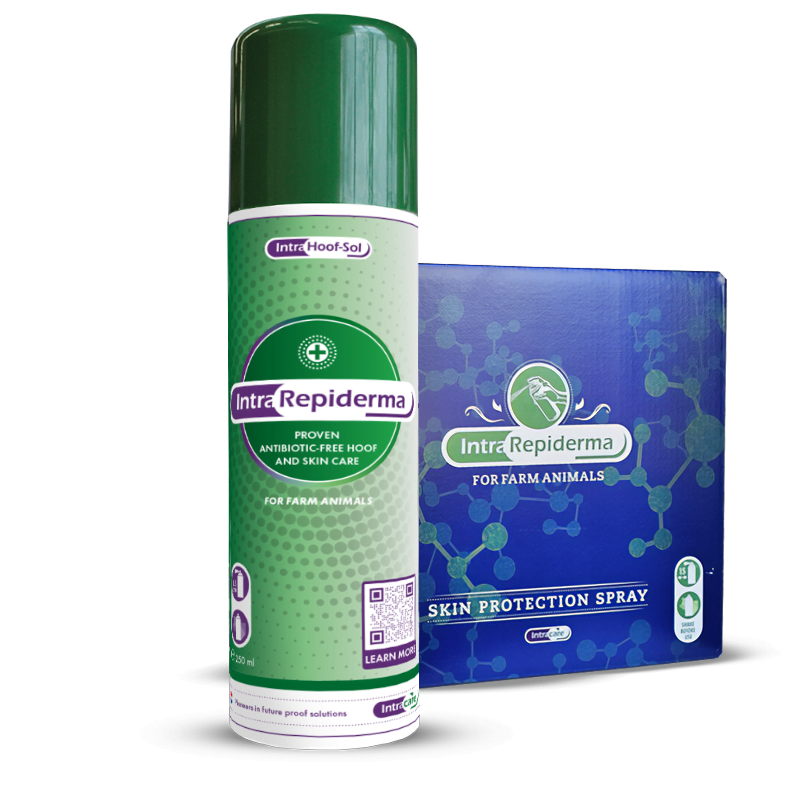
Repiderma is a topical skin care product that supports hoof health, prevents cracks, and protects against minor skin damage between trimmings.
Visit Store6. Natural Shedding in Some Sheep Breeds
In some sheep breeds, wool break is a natural part of life and not a concern. It helps animals shed their wool naturally in a process called rooing, seen in Icelandic and Shetland sheep. They shed their heavy winter coat to avoid overheating in summer and getting stuck with parasites and pathogens.
Do Sheep Shed Their Wool Naturally?
Some sheep shed their wool naturally, but most modern wool breeds do not. Wild sheep and many primitive breeds shed their coat every year, while sheep bred for wool grow a fleece that keeps growing, according to a 2020 review in Genetics Research. Hair sheep such as the Katahdin shed their coats too. A wool breed that does not shed has to be shorn.
Farmers with rooing sheep can help by gently plucking, or tugging the fleece away from the body. Sometimes, running your fingers through the wool is enough.
If you’re raising sheep for wool, rooing sheep may not be best because of the time it takes. However, Shetland sheep owners have shown that the investment pays off, as they produce exceptionally soft, fine fleece.
How Long Does It Take for a Sheep’s Wool to Grow Back?
A sheep takes about a year to grow a full fleece back, which is why most flocks are shorn once a year. In that year, most wool breeds grow a staple (lock) of roughly 2 to 6 inches (5 to 15 cm), depending on the breed, going by the American Sheep Industry Association’s breed chart. Fine-wool breeds sit around 3 to 5 inches.
How fast the wool grows depends on breed, nutrition, and health. If wool break was caused by illness or stress, regrowth may be slower at first but should return to normal once the issue is resolved. If hair follicles were damaged by severe illness, some areas may grow back thinner or not at all.
The broken wool itself does not mend. The weak spot stays in the fleece and grows out with it until the next shearing.
How to Treat and Prevent Wool Break
Treating wool break begins with identifying its cause, something I’ve learned from my conversations with sheep farmers and veterinarians at trade shows. Since it weakens fibres permanently, the most effective approach focuses on prevention and management rather than repairing damaged wool.
The six causes (stress, malnutrition, illness, pregnancy, parasites, and natural breed characteristics) require specific management approaches detailed in their sections.
Prevention vs Treatment
Once wool break occurs, the damaged fibres can’t be repaired. The weak areas remain until the next shearing, even after fixing the underlying cause. This makes prevention more valuable than treatment.
For sheep with wool break, focus on preventing additional damage by managing the root cause. Once you resolve the underlying problem, the new growth will be stronger, but existing weak areas won’t improve.
When to Call a Veterinarian
You can handle most wool break cases by improving feed and reducing stress, but some situations need professional help. Here’s when sheep farmers call their vets:
- Multiple sheep get wool break at once. This usually indicates a bigger problem affecting the whole flock.
- Wool break plus other problems. If sheep are losing weight, acting tired, or not eating well.
- You suspect disease. Pneumonia, Johne’s disease, ringworm, or mastitis require professional diagnosis.
- Parasite problems. Some parasites need specific medications that only veterinarians can prescribe.
- Nothing improves after 2 to 3 months. If your management changes aren’t working, something else is wrong.
- Mineral deficiency worries. Blood tests determine necessary supplements for sheep.
I’m a cattle hoof trimmer sharing what I’ve learned from sheep experts. Your most valuable resource for diagnosis and treatment is a good veterinarian.
Wool Break FAQs
How long does it take for sheep’s wool to regrow?
About a year for a full fleece, which is why most sheep are shorn once a year. Regrowth can be slower for a while after illness or stress, and it returns to normal once the cause is fixed. If severe illness damaged the hair follicles, some areas may grow back thinner or not at all.
Do sheep shed their wool naturally?
Some do. Primitive breeds such as Shetland and Icelandic sheep shed their fleece every year, and hair sheep such as the Katahdin shed their coats. Most modern wool breeds do not shed, so they have to be shorn.
How long does sheep wool take to rot?
Healthy wool doesn’t rot on a living sheep, but poor storage can cause fleece to deteriorate. When stored properly in cool, dry conditions with good air circulation, fresh wool lasts for years. In damp conditions, wet wool can develop mould and bacteria within days to weeks. Fleece rot is a different thing: a skin condition that follows long spells of wet weather. Our post on lumpy wool in sheep explains it.
How many times a year should a sheep be sheared?
Most sheep should be sheared once a year, typically in late spring before hot weather. Pregnant ewes are usually sheared 30 to 45 days before lambing to keep wool break at the tip of the fleece and improve lamb survival. The timing depends on your climate, breed, and management, so consult local farmers or your veterinarian for the best schedule.
Final Thoughts
When you understand its root causes, wool break in sheep is manageable. The six main factors (stress, malnutrition, illness, pregnancy, parasites, and breed characteristics) highlight the importance of proper animal care and management.
Your best strategy is prevention. Focus on consistent nutrition, adequate shelter, and stress-free environments for your flock. Work closely with your nutritionist or local feed store for balanced rations, and maintain regular veterinary care to identify health issues early.
As a professional cattle hoof trimmer, I’ve learned that animal health challenges often cross species lines. The stress and nutritional factors affecting wool quality in sheep are similar to those affecting hoof health in cattle. Effective animal husbandry practices benefit all livestock.
If you’re dealing with ongoing wool break problems, consult your veterinarian for a comprehensive flock health evaluation. Early intervention can prevent minor issues from becoming major problems.
For those interested in livestock health products, visit Diamond Hoof Care for Intra Repiderma for skin and hoof support, Hoof-fit Gel for hoof care, and professional hoof knives for trimming. My expertise is in cattle hoof care, and I share knowledge that helps all livestock thrive.
- Nutrition of Sheep, Merck Veterinary Manual (S. G. Balch), reviewed 2022, updated 2024.
- The Benefits of Shearing Before Lambing, Michigan State University Extension (R. Ehrhardt).
- Shearing the Flock: When Are You Shearing?, Ohio State University Sheep Team, 2017.
- Glossary of Wool and Fibre Terms, Colorado State University Extension.
- Itchy Sheep, NADIS (National Animal Disease Information Service, UK).
- Evolution of the Sheep Coat: The Impact of Domestication on Its Structure and Development, Jackson et al., Genetics Research, 2020.
- Wool Grades and the Sheep That Grow the Wool, American Sheep Industry Association.
- Shetland Wool, Shetland Sheep Society.