
Have you recently noticed scab masses on your sheep’s wool? Lumpy wool in sheep is a skin infection caused by the bacterium Dermatophilus congolensis, and it leaves scabs and hard lumps in the wool. The good news is that it’s treatable. This article covers what lumpy wool looks like, its six common causes and the treatment for each, how to tell it from fleece rot, and how to prevent it.
Lumpy wool in sheep is a skin infection caused by the bacterium Dermatophilus congolensis, also called dermatophilosis or dermo. It can be due to the animal’s age, sheep dip use, wet environments, shearing, contact with thorns and sharp plants, and biting insects or lice. Most cases heal by themselves within four to six weeks once the sheep stay dry; severe cases may need antibiotics from your vet.
What Is Lumpy Wool in Sheep?
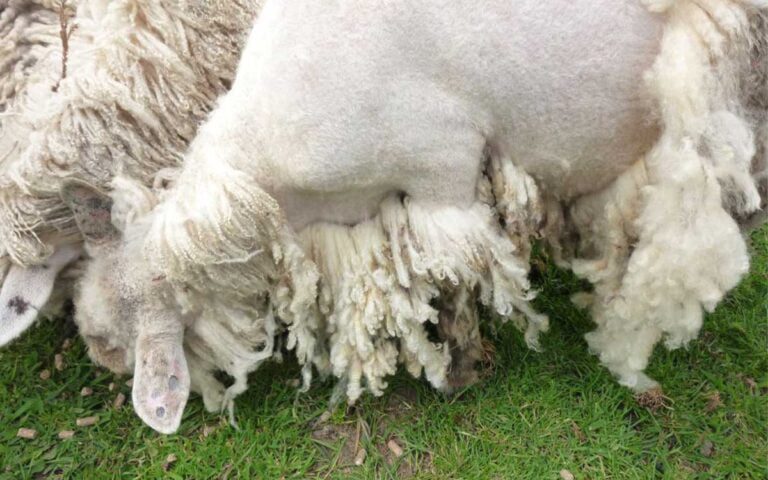
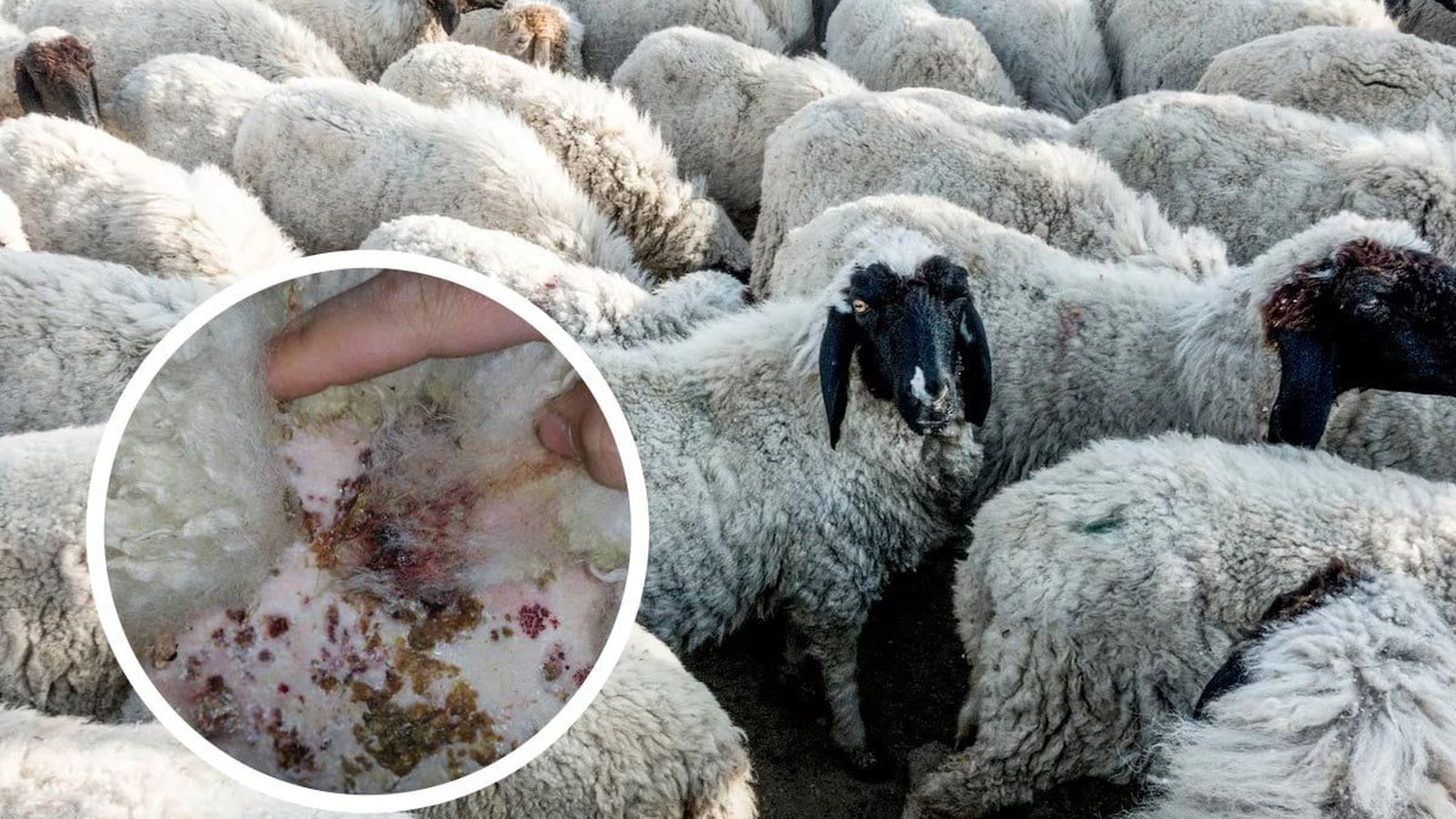
Lumpy wool in sheep is a skin infection caused by the bacterium Dermatophilus congolensis. The infection makes the skin weep, and the discharge gets trapped in the wool staple, where it dries into scabs and hard lumps. It is also called dermatophilosis, mycotic dermatitis or “dermo”, and on the lower legs and feet the same bacterium causes what is known as strawberry foot rot, according to the Merck Veterinary Manual.
The bacteria sit dormant in old scabs while the sheep is dry. When the fleece gets wet, they are released, multiply and spread, as the Australian Wool Innovation factsheet explains. That is why outbreaks follow wet weather.
Signs of Lumpy Wool
- Inflamed skin with a discharge that dries into scabs, usually under 1 cm across on the face and ears.
- On woolly areas, wool fibres matted together and dried into a scab at the skin.
- Columns of hard lumps growing up along the wool staples, most often across the back.
- In advanced cases, plates of scabs across the back that make shearing difficult.
Lumpy wool is more than a cosmetic problem. It lowers wool quality, raises the risk of flystrike, and in young lambs it can lead to blood poisoning or starvation.
1. The Sheep’s Age
Young lambs are more likely to get lumpy wool because their skin has less of the wax layer that protects older sheep. Sheep have a wax layer over their skin that protects them from infection. However, younger sheep don’t have enough wax to ensure full protection, so they’re more susceptible to conditions like lumpy wool.
Without that vital layer of wax, the bacteria causing lumpy wool enter the skin quickly. Sheep less than six weeks old are at risk of infection because of this. Weaners and hoggets are affected most often, but sheep of any age can get it, and wet weather at lambing lets the infection pass from the ewe to her newborn lamb.
Treatment
Lambs have weaker immune systems and fewer antibodies, so they may need antibiotics to help kill the infection. You’ll want to consult your veterinarian about this.
You can also boost your lambs’ immune systems by keeping their bedding clean and ensuring they get enough colostrum, which has antibodies that can help the young animals fight off bacteria, including the bacteria that cause lumpy wool.
In future lamb crops, ensure the lambs receive colostrum within two hours of birth, as this aids nutrition and immunity. Thus, if they come into contact with the lumpy wool bacteria, their bodies will be better equipped to fight it off. Intra Repiderma promotes healthy skin and can be part of your skin care routine for young stock.
Keep your lambs as dry as possible and replace their bedding if it’s too wet. You’ll also want to have enough space for them, as this decreases the chance of dampness and increases airflow.
2. Using Sheep Dip
Sheep dip can raise the risk of lumpy wool because it can break down the wax layer on the skin, and dipping can carry the bacteria from sheep to sheep. The same sheep dip that prevents parasites and mites could increase the risk of your sheep developing lumpy wool. The dip contains chemicals that can break down the wax layer on the sheep’s skin, making it easier for bacteria to enter and do harm.
However, this is only likely if it lingers on the skin after the dipping. In most cases, sheep dip shouldn’t result in a lumpy wool infection.
Treatment
In most cases the infection clears on its own, and as new wool grows, the infected wool can be shorn off. Sometimes, medication may be necessary, but this is only in stubborn cases where treatment might include antibiotics. Your veterinarian will assist you with this approach.
To prevent future issues, clean the sheep thoroughly before dipping and allow them to dry completely afterward. Don’t dip them on a rainy day, because the excess water can increase the spread of the bacteria. The Australian Wool Innovation factsheet adds three steps: dip young sheep first, dip affected sheep last and let them straight out, and consider a dip additive such as a 0.5% zinc sulphate solution, which may help prevent spread.
3. Wet Environments
Wet weather is the main trigger for lumpy wool. A wet environment is one of the main causes of lumpy wool in sheep, especially when the weather is unusually wet. Water spreads the infection and leads to the essential wax layer on the skin dissolving, making it easier for the bacteria to get onto the skin and cause scabbing.
During an outbreak, the infection spreads through a flock when wet sheep rub against each other, and it can spread fast even if only a few sheep are infected at first.
Treatment
If there’s been an unusually rainy period and your sheep have been living in a wet space, you’ll need to move them to a drier space, if possible. Change any damp bedding or housing and keep the sheep as sheltered as possible. Avoid yarding or handling the flock while the sheep are wet.
The infection should then clear on its own, but a course of antibiotics, in consultation with your veterinarian, might be necessary if it’s an ongoing issue.
4. Clipping Wool
Shearing can lead to lumpy wool when cuts or rough handling damage the skin and its wax layer. Shearing (clipping) sheep can sometimes lead to a lumpy wool infection, especially if the handler is inexperienced and accidentally makes a cut or is rough in general. This could affect the protective wax layer, increasing the likelihood of bacteria causing harm by penetrating the skin.
Cuts and wounds can also happen if the sheep moves while being shorn, so it’s not always the handler’s fault. Handling young sheep in close quarters straight off the shears while they are wet is a known risk too.
Treatment
Treat any cuts on the skin with the appropriate cream as advised by a vet. Intra Repiderma promotes healthy skin and comes in a handy aerosol bottle for easy use during shearing. In the future, be careful when shearing and keep the sheep calm and well restrained, particularly if they move a lot during the process. Our sheep shearing guide covers timing, technique and aftercare.
“I first purchased Repiderma spray a few months ago to treat skin cuts which occur occasionally during sheep shearing. As a professional shearer I shear approximately 5,000 to 6,000 annually. I am 100% + satisfied with Intra Repiderma spray. The product has several advantages over the other spray on products I was using.”
A lumpy wool infection caused by improper shearing may heal on its own, but your veterinarian might prescribe antibiotics should the problem persist. The lumps and scabs must clear before another shearing; otherwise, it will be too difficult. Shear affected sheep last, and if a sheep was treated, shear it afterwards, because lumpy wool can come back in wool that is left on.
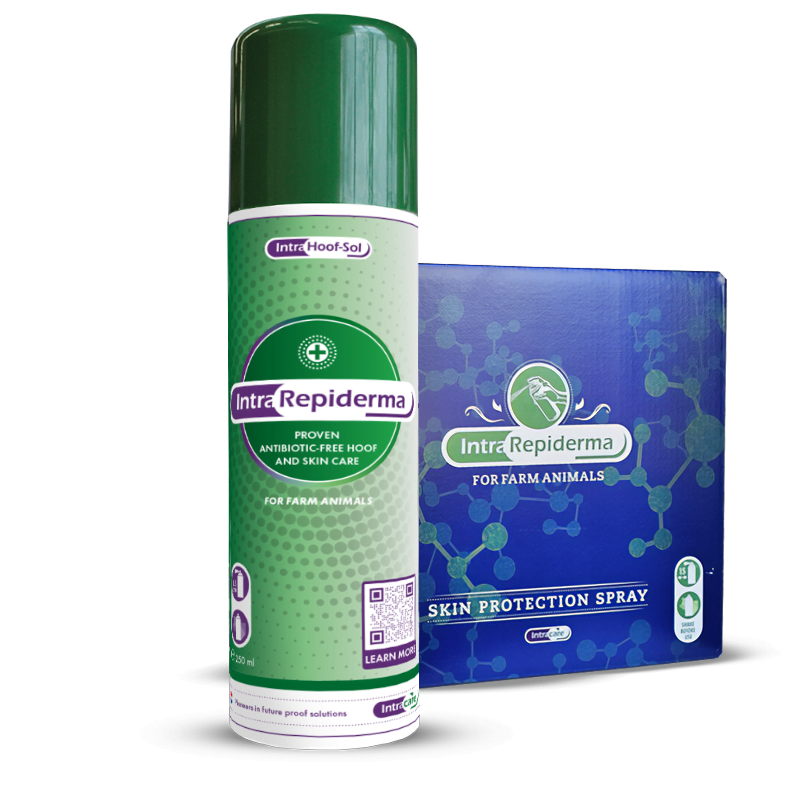
Repiderma is a topical skin care product that supports hoof health, prevents cracks, and protects against minor skin damage between trimmings.
Visit Store5. Sharp Plants
Thorny plants, spiny weeds and grass seeds cause small cuts that let the lumpy wool bacteria into the skin. If sheep are around sharp plants or grass, they’re more likely to get minor cuts and abrasions, possibly leading to a lumpy wool infection because bacteria can get into the skin through the injured surfaces.
The symptoms are most likely to be visible around the area that has come in contact with the plants. For example, the disease will likely affect the lips, legs and feet if there are thorny plants amid the grass where the sheep walk or graze. On the lower legs, this is the form known as strawberry foot rot.
Treatment
You’ll want to remove sharp or thorny plants from the area so the sheep can’t get abrasions or cuts. At the very least, keep the animals away from the plants until they’re fully healed. Other than that, time is the best treatment.
Within a few weeks, the scabs and lumps from the infection should go away, at which point you can shear the wool and remove everything.
6. Biting Insects and Lice
Biting flies can carry the lumpy wool bacteria from one sheep to another, and lice make sheep more likely to get it. Merck describes biting flies as mechanical carriers of the bacteria, with the lesions they cause found mainly on the back, and names lice as a major predisposing factor in sheep.
Treatment
Control lice and biting flies with a product your vet recommends, and follow the label. Sheep with active scabs are also a target for blowflies, so if scabs are still there as the spring fly season starts, use a preventative fly treatment.
Lumpy Wool Is Not Lumpy Skin Disease
Lumpy skin disease sounds similar but is a different illness. It is caused by a virus, spread by biting insects, and affects cattle and buffalo; Merck notes that sheep appear resistant to it. A sheep with lumps in its wool almost always has the bacterial infection described here. If you also keep cattle, read our post on lumpy skin disease in cows, and for other insect-borne problems in sheep, see can sheep get sick from tick bites.
Lumpy Wool or Fleece Rot (Wool Rot)?
Lumpy wool forms columns of hard lumps along the wool staple, while fleece rot forms flaky or matted, often coloured bands parallel to the skin. Both are skin diseases that follow long spells of wet weather, and both raise the risk of flystrike, so they are easy to mix up. The name “wool rot” gets used for both. Telling them apart matters, because only lumpy wool spreads from sheep to sheep.
Source: Australian Wool Innovation, Fleece rot and lumpy wool are not the same (2021). For other reasons a fleece looks wrong or comes away, see sheep losing wool.
How to Prevent Lumpy Wool in Sheep
Keeping sheep dry and limiting contact between wet sheep prevents most lumpy wool. Merck and Australian Wool Innovation give the same core advice:
- Give the flock shelter in long wet spells and keep bedding dry.
- Don’t handle or yard sheep while they are wet.
- Shear and dip young sheep first, and affected sheep last.
- Separate infected sheep from the flock to slow the spread.
- Keep lice and biting flies under control.
- Cull sheep that keep getting it, since they stay prone to flystrike.
Only consider antibiotic treatment if the infection is severe or shows no sign of clearing.
Lumpy Wool FAQs
Is lumpy wool contagious?
Yes. Lumpy wool spreads through a flock when infected sheep get wet and rub against healthy ones. It can also infect people through the skin of the hands and arms, though this is rare, so wear gloves when you handle affected sheep, wash your hands well afterwards, and avoid handling them while they are wet.
Does lumpy wool go away on its own?
Usually, yes. Most sheep build up immunity, and the active skin infection heals within four to six weeks once the sheep stay dry. The lumps stay in the fleece as the wool grows out, until the sheep is shorn.
Can you shear a sheep with lumpy wool?
Hard lumps and plates of scab make shearing difficult, so wait until they have cleared where you can. Shear affected sheep last so the shears do not carry the bacteria to the rest of the flock.
What antibiotics treat lumpy wool in sheep?
Severe cases respond to several antibiotics, including penicillin and streptomycin and the tetracyclines, but only your vet can prescribe them and set the dose. Follow the meat withdrawal time your vet gives you.
- Fleece Rot and Lumpy Wool Are Not the Same, Australian Wool Innovation, 2021.
- Dermatophilosis in Animals, Merck Veterinary Manual (K. A. Moriello), reviewed 2025, updated 2026.
- Lumpy Skin Disease in Cattle, Merck Veterinary Manual (M. Bennett), reviewed 2026.
- Lumpy Wool: A Skin Disease of Sheep, NSW Department of Primary Industries, Primefact 986, 2010.
- Managing the Newborn Lamb, XLVets Ireland.