When a healthy dairy cow starts losing hair, it can signal serious health issues affecting your herd’s productivity. North Dakota State University Extension notes that cattle hair loss can point to problems ranging from dry winter skin to lice and infections that can spread rapidly. Winter dryness might cause some hair loss, but overlooking bald spots could jeopardize your herd’s health and profitability.
Most cattle hair loss comes from lice, mange mites, ringworm or a shortage of vitamin A. In young calves it usually follows severe scours or a milk feeding problem. Treat the cause, not the bald spot: note where the hair is missing and what the skin looks like, and have your veterinarian confirm the cause before you treat.
This guide provides a structured approach to treating and preventing cattle hair loss, focusing on:
- Identifying and treating common causes, such as lice and mite infestations.
- Understanding nutritional factors affecting hair growth.
- Managing chronic conditions like alopecia.
- Implementing measures to protect your herd.
These strategies will help maintain your cattle’s health and productivity, whether you are dealing with a single affected cow or wanting to prevent hair loss across your herd.
What Causes Hair Loss in Cattle?
The pattern of hair loss is your first clue. Where the hair is missing, what the skin looks like, and the time of year all point toward a likely cause. Use this as a starting point for the conversation with your veterinarian, not as a diagnosis.
Sources: NDSU Extension (lice, ringworm, vitamin A), the Merck Veterinary Manual (mange mites), Wieland et al., 2019 (calves) and Paradis et al., 1988 (alopecia areata).
Why Is My Calf Losing Hair?
Hair loss in calves often looks different from adult cattle and causes more concern. Young animals are particularly vulnerable, and the hair loss pattern indicates specific underlying causes.
Where to Look for Hair Loss in Calves
Calf hair loss typically occurs in specific areas:
- Often starting at the joints, around the back legs.
- Patchy areas on the face, especially around the eyes and muzzle.
- Along the spine and back.
- The neck area may show gradual thinning.
These patterns help veterinarians determine whether the cause is parasites, nutritional issues, or other factors. Early veterinary guidance is essential because young animals need specialized approaches.
Scours and Milk Feeding Problems
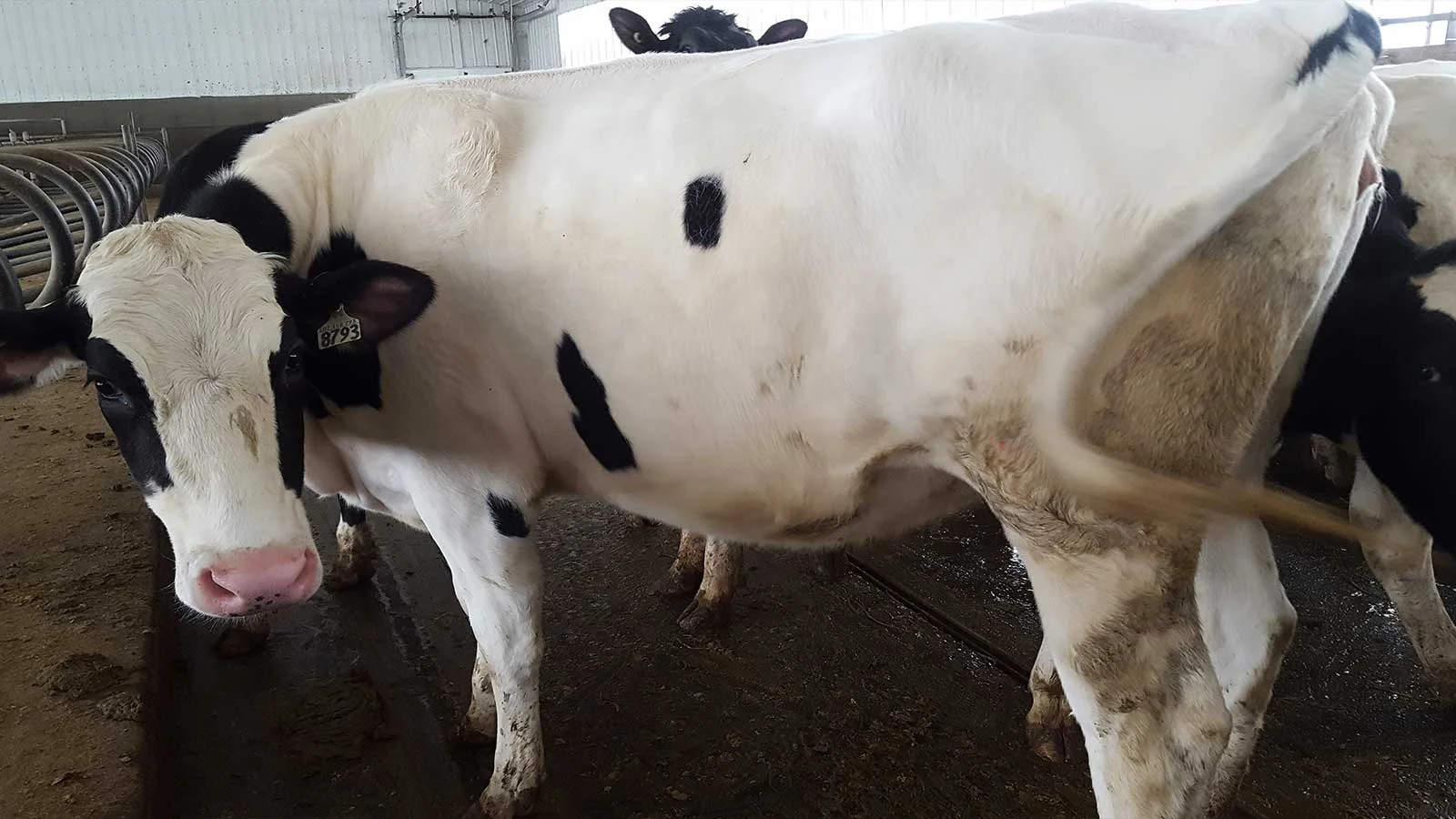
Hair loss in young calves is not common, and when it happens it usually follows a bout of severe diarrhea. Feeding mistakes can cause it too. In a 2019 case series from the University of Munich, calves born with a normal coat started losing hair at 2 to 3 weeks of age, first on the head and then along the neck, back and around the eyes. The cause was milk replacer mixed incorrectly with water that was not warm enough. Once the calves were fed properly, new hair started growing within a few weeks.
If several calves lose hair at the same age, look at the milk feeding routine first: how the milk replacer is mixed, the water temperature, and any recent change of product.
Understanding Young Stock Sensitivity
Calves’ developing immune systems and thinner skin make them vulnerable to health challenges. Issues like lice and vitamin deficiencies appear more quickly and severely in young stock, requiring a quicker response and careful treatment.
How to Treat Hair Loss in Cattle
Hair loss signals potential health issues that affect herd productivity and welfare. Success depends on accurate identification and prompt treatment. Proper diagnosis guides the optimal solution, whether dealing with isolated cases or herd-wide concerns.
Treatment plans should be systematic and thorough. The following sections detail effective approaches for common causes, with special considerations for young stock.
Check for Lice Infestations

Lice infestations are a frequent cause of cattle hair loss, affecting even well-managed herds that maintain regular treatment schedules.
Identifying the Issue
Lice problems typically begin with hair loss around the neck, shoulders, and udder areas. The start of an issue is often signaled by cattle rubbing against fences or posts more than usual. Close inspection with good lighting reveals small grayish parasites moving on the skin. Early detection is important, as a small patch of hair loss can quickly spread throughout the herd.
Early Response is Important
I’ve learned that prompt action makes a big difference from conversations with veterinarians and experienced farmers. A close inspection of affected areas helps identify the scope of the problem. Many successful farmers keep photos and records of affected animals, making it easier to track changes and spot patterns.
Winter Challenges
Cold winters create special lice challenges. Cattle bunch up in cold weather, helping lice spread. The dry winter air already irritates their skin, and hair loss areas are vulnerable to frostbite. Even treatment products work differently in very cold temperatures.
Lice numbers drop in warm weather, and most cattle are free of them by summer. According to NDSU Extension veterinarian Gerald Stokka, about 1 to 2 percent of the herd carry lice through the summer and start the problem again in the fall.
Working with Your Veterinarian
Checking for lice is straightforward, but involving your veterinarian early makes a difference. They can confirm what you see and help create a suitable treatment plan. Early guidance prevented many cases from becoming serious.
Your veterinarian will also look at which kind of lice you have. Sucking lice and biting lice respond to different products, and when the whole herd shows lice-type hair loss, the whole herd is usually treated, not just the worst animals.
Prevention
Through my farm visits, I’ve seen how prevention can make a significant difference. Clean, dry bedding helps, especially when cattle spend more time indoors. Successful farmers time their treatments before the coldest months and check new animals before adding them to the herd. Your veterinarian can help develop a prevention schedule that fits your farm’s routine and keeps your herd healthy year-round.
Catching lice problems early means simpler treatment. Many farms successfully manage this by staying alert and collaborating closely with their veterinarian.
Treatment Safety
Safe treatment starts with careful product selection and application. Your veterinarian can recommend products that match your herd’s needs. Keep in mind these key safety points:
- Match treatment to animal weight and age.
- Check withdrawal times for milk and meat.
- Document product usage and timing.
- Store treatments properly, especially in extreme temperatures.
Understanding Mite Infestations

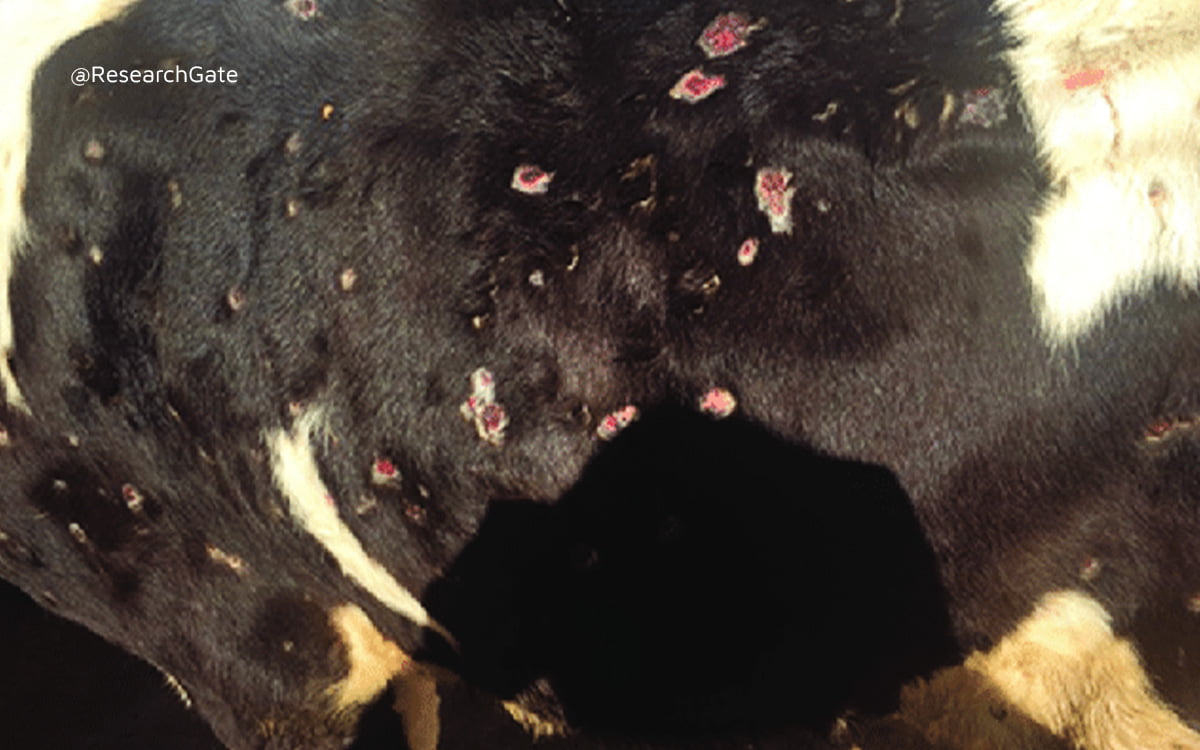
Lice are visible to the naked eye, but mite problems are trickier to spot. Mite-related hair loss presents differently from lice damage. The hair loss is patchy and accompanied by thickened, crusty skin. These symptoms appear first around the tail head and along the back.
Some mite infestations keep going year-round if not addressed, while lice problems usually improve in warmer weather. I’ve seen cases where farmers thought they were dealing with lice, but when the usual treatments didn’t work, it turned out to be mites. Getting your veterinarian’s diagnosis early can save time and prevent frustration.
Managing Mite Problems
Mites affect cattle in varying ways. Sometimes there’s obvious hair loss, while other times the main sign is intense itching and skin irritation. Young stock and dry cows seem especially vulnerable, particularly when housed outdoors. This is particularly challenging for beef and feedlot operations.
The Merck Veterinary Manual describes several mange mites in cattle. Chorioptic mange starts on the lower legs and spreads up to the udder and tail, psoroptic mange sits on the back, flanks and base of the tail, and sarcoptic mange starts on the head and neck. Sarcoptic mange can also pass to people as a short-lived itchy rash.
Weather greatly influences mite problems. During cold spells, when cattle are housed closer together, they can spread more easily. The combination of winter stress and irritation can harm an animal’s condition.
Mites can quickly escalate a mild problem into a serious one. I visited farms where delayed treatment led to widespread herd issues. One case stands out: a farmer waited weeks to treat minor irritation, and by then, several animals needed intensive veterinary care.
Treatment Approach
Successful mite treatment involves two key steps: isolation and proper medication. Experienced farmers move affected animals to a separate area to prevent spread and monitor treatment.
Your veterinarian can recommend specific miticides for these parasites, considering your herd’s age and whether you’re dealing with dairy or beef cattle. Treatments work best when the entire management team collaborates on the protocol, from veterinarian to farm staff.
Some farmers hesitate to call their vet for a minor skin issue. Experience shows that early professional guidance leads to quicker resolution and less spread through the herd.
Rule Out Ringworm
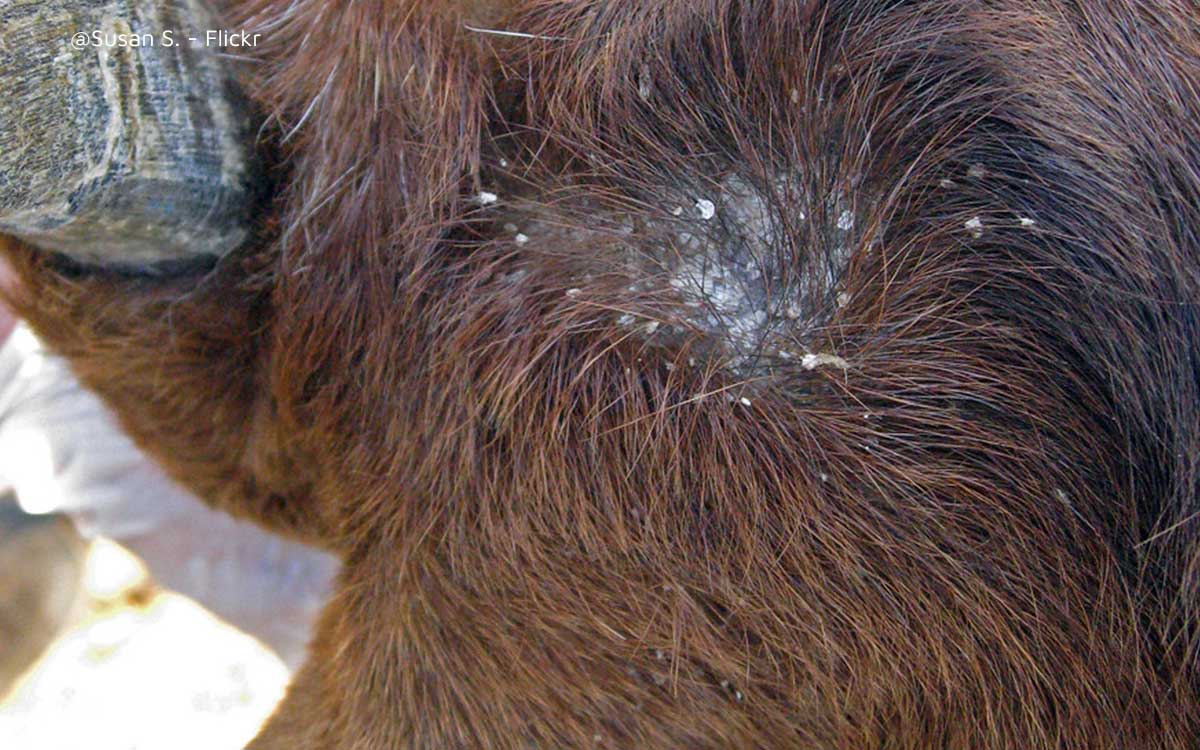
Ringworm is a fungal infection, not a worm. It shows up as round, gray, crusty bald patches, most often around the eyes, head and neck, and calves get it more often than adult cows. NDSU Extension notes that it takes hold more easily when cattle are low in vitamin A, and that it can spread to people, so wear gloves when you handle affected animals. To tell ringworm apart from other crusty skin problems, see our guide to the 8 common causes of scabs on cows.
Nutritional Factors in Hair Loss
Hair loss isn’t always caused by parasites; it can be related to nutrition. Veterinarians frequently identify cases where vitamin deficiencies are the underlying cause. NDSU Extension points out that cattle fed dry, low-quality forage can run short of vitamin A, leaving a dull, dry hair coat and skin that is more prone to infection. A 2024 University of Nebraska study found that many beef cows and their calves fed stored forages were not getting enough vitamin A.
The Role of Vitamin A
While vitamin A supplementation seems like a simple fix, getting it right requires expertise. I’ve learned from nutritionists that the supplement market can be confusing, with many products making exaggerated claims. That’s why I encourage farmers to work with their veterinarian and nutritionist as a team. These professionals can:
- Evaluate if vitamin deficiency is the problem.
- Recommend quality supplements for your herd’s needs.
- Help integrate them into your feeding program.
- Monitor results to ensure treatment is effective.
In one case, an owner tried several parasite treatments without success. Only after consulting a nutritionist did they discover that a vitamin A deficiency was the real culprit.
Supporting Skin Health
For skin irritation in cattle, proper skin care helps keep the skin in good condition while the cause is dealt with. Your veterinarian may recommend various products depending on the situation. Options available through local dealers include skin care products like Repiderma or Green Spray (USA). Whatever approach you choose, follow your veterinarian’s guidance on application and treatment duration. When the skin is also flaking or peeling, our post on the things that could cause cow skin to peel off covers the other likely causes.
Encouraging Natural Grooming
Cattle naturally try to scratch and groom themselves against posts or fences when their skin is irritated. Many farms have installed dedicated brushing systems to support this behavior. Some use stationary brushes, while others opt for automated systems like the DeLaval swinging cow brush.
Last year, a dairy farmer installed brushes and found his cows seemed more relaxed and spent less time rubbing against stall posts. Brushes aren’t a treatment for skin problems, but they can be part of an overall approach to cattle comfort and welfare.

Repiderma
Repiderma is a topical skin care product that promotes healthy skin and protects against minor skin damage in cattle, goats and sheep.
Visit StoreAlopecia in Cattle and Hereditary Hair Loss

After ruling out parasites and nutritional issues, hair loss might be due to a condition like alopecia. These cases look different: the hair loss appears in distinct patterns and doesn’t respond to standard treatments.
In a 1988 case report, Paradis and colleagues described alopecia areata in a cow: round, smooth bald patches without itching or inflammation. The cause is unknown and there is no practical treatment, but the condition did not seem to affect the cow’s health or production, and the hair can grow back on its own. They also noted that similar hair loss patterns can be caused by other treatable conditions.
In one case, what looked like hereditary hair loss turned out to be something else. This emphasizes the importance of working with your veterinarian to determine if the hair loss is hereditary or caused by a treatable condition. Hereditary conditions can’t be cured, but your veterinary team can help develop management strategies to keep affected animals comfortable.
Frequently Asked Questions About Cattle Hair Loss
Why is my cow losing hair?
In winter, lice are a frequent cause, with hair loss on the neck, shoulders and udder and cattle rubbing on posts. Mange mites, ringworm and a shortage of vitamin A are the other common causes. Look at where the hair is missing and whether the skin is crusty, then ask your veterinarian to confirm the cause before you treat.
Why is my calf losing hair?
In young calves, hair loss usually follows a bout of severe scours or a milk feeding problem, such as milk replacer mixed incorrectly or with water that is not warm enough. Ringworm and lice also cause hair loss in calves. If several calves lose hair at the same age, check the milk feeding routine first.
How do you treat hair loss in cattle?
Treat the cause, not the bald spot. Lice and mites need a product your veterinarian picks for the parasite, ringworm needs a veterinary diagnosis, and a vitamin A shortage is fixed through the ration or mineral. Check milk and meat withdrawal times for every product, and keep the skin in good condition while it heals.
Will the hair grow back?
In most cases, yes, once the cause is dealt with. In a 2019 case series, calves with feeding-related hair loss started growing new hair within a few weeks of being fed properly and had a full coat again by 14 to 18 weeks. Even alopecia areata, which has no practical treatment, can grow back on its own.
What is alopecia in cattle?
Alopecia simply means hair loss. Alopecia areata is a rare form with round, smooth bald patches that do not itch or crust. Its cause is unknown and there is no practical treatment, but it does not seem to affect health or production. Because other, treatable conditions can look the same, have your veterinarian rule them out first.
Can people catch hair loss conditions from cattle?
Some, yes. Ringworm can spread from cattle to people, and sarcoptic mange can cause a short-lived itchy rash. Wear gloves when you handle animals with bald, crusty patches and wash your hands afterward.
Putting It All Together
Successful management of cattle hair loss depends on proper identification and timely action. A systematic approach helps identify the underlying issue, while causes range from simple parasites to complex hereditary conditions:
- Inspect affected areas.
- Document hair loss pattern and spread.
- Consider the contributing seasonal factors.
- Consult your veterinarian promptly.
Young animals need special attention, and what works for adult cattle might need adjustments for calves. Early intervention through parasite treatment, nutritional supplementation, or environmental changes leads to better outcomes. Your veterinary team can help develop a management plan for your situation and herd needs.