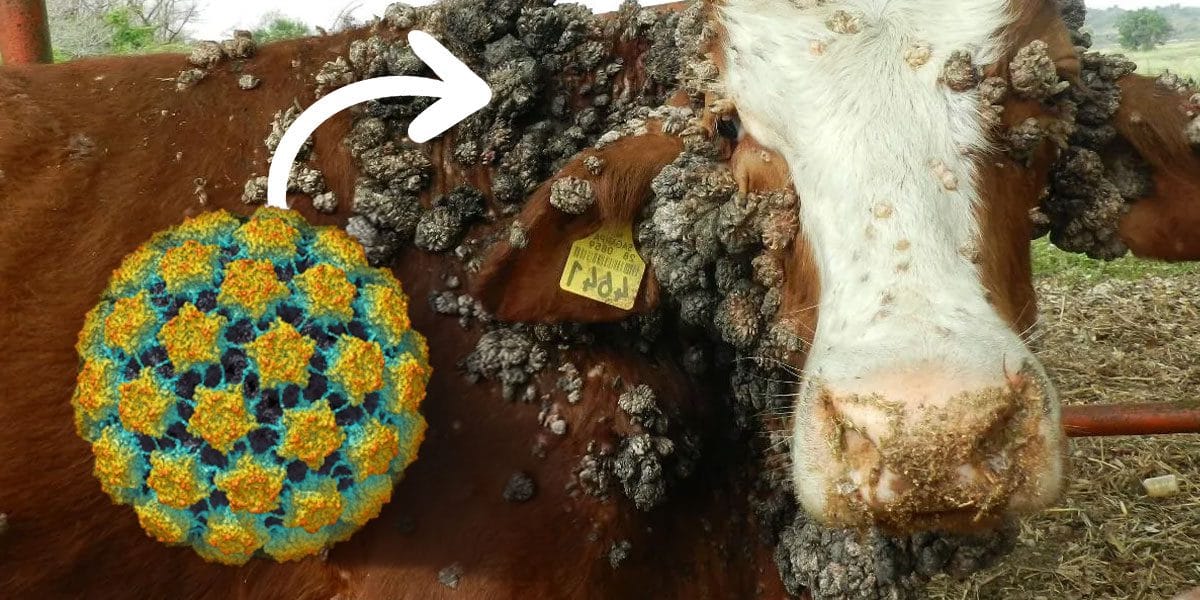

Warts in cattle cause problems on dairy and beef operations. These viral growths spread through herds, disqualify show animals, and interfere with milking equipment. As a professional hoof trimmer who has worked with hundreds of cattle, I have seen the challenges these growths create for farmers. When producers ask how to get rid of them quickly, I share what I have learned from working alongside farmers and their veterinarians.
Most cattle warts disappear naturally within 1 to 12 months as the immune system fights the virus. When you need them gone sooner, your veterinarian can remove them surgically, for example with wart pliers. Preventing warts through biosecurity and vaccination is more effective than treating established ones.
This guide covers strategies for identifying, treating, and preventing warts in your herd.
Distinguishing Warts from Digital Dermatitis
Warts and digital dermatitis are often mistaken for each other because both create growths on cattle. Understanding the difference prevents wasted time and money on incorrect treatments.
Warts, or papillomas, are caused by bovine papillomavirus (BPV). They appear as raised, rough skin growths on the neck, shoulders, head, and udder. These look unsightly but rarely cause pain. Most clear up naturally within 1 to 12 months as the animal’s immune system tackles the virus.
Digital dermatitis is a different problem. This bacterial infection creates painful, raw lesions on hooves, particularly above the heel bulbs. Cows with digital dermatitis go lame fast, and milk production drops immediately. The Treponema bacteria causing this condition require prompt treatment with products like Intra Hoof-fit Gel.

What’s the key difference? Warts are a patience game, while digital dermatitis demands immediate action. My article, “Hairy Heel Warts in Cattle: Symptoms, Causes, and Treatment,” covers the management of this hoof disease.

Hoof-fit Gel
Intra Hoof-fit Gel is the first and only non-antibiotic topical medication for digital dermatitis treatment in Canada
Visit StoreWhat Causes Warts in Cattle?
Two main viruses cause cattle warts. Bovine Papillomavirus Type 1 (BPV-1) creates large, cauliflower-like fibropapillomas, usually on necks and shoulders. Bovine Papillomavirus Type 2 (BPV-2) produces flatter, scaly warts on teats and udders. As a hoof trimmer, I use the simpler terms “warts” or “papillomas” that farmers recognize.
The virus enters through broken skin. It can access through rough surfaces, equipment edges, or normal scratches. Young cattle under 2 years old are affected most because their immune systems are still developing. Show or sale calves acquire the virus from shared facilities and equipment. Stress from weaning, transport, or sudden changes weakens their defences.
Shared equipment spreads the virus quickly. Halters, headlocks, and milking machines transfer it from infected to healthy animals. Overcrowded areas accelerate the spread. Stopping warts before they start is more effective than treating them after they appear.
For a closer look at the virus itself, including whether people can catch it, read Dealing With Cattle Warts: Your Guide to Bovine Papillomatosis.
Locations for Warts on Cattle
Recognizing where warts typically appear helps you identify problems early and decide if treatment is needed.
- Neck warts are where you’ll spot most cattle warts. Multiple growths cluster together, creating rough patches that look worse than they feel. These get irritated by headlocks and gates, which is how they spread easily through a group. While neck warts detract from the appearance of show animals, they rarely cause pain or affect movement.
- Face and head warts often start where an ear tag or tattoo broke the skin, and they can spread from the ear to the rest of the head and neck. Young stock get them most. Like neck warts, they usually look worse than they are, but have your veterinarian check any growth close to the eye that grows quickly or bleeds.
- Shoulder warts develop where cattle rub against gates, feeders, or other animals. Large clusters can catch on equipment and tear, leading to bleeding and secondary bacterial infections in damaged tissue. These locations need monitoring because torn warts create openings for infection.
- Back warts appear less often than neck or shoulder growths. You can spot them before they spread to other locations or animals by observing your cattle during daily work.
- Teats and udder warts create the biggest challenges in dairy operations. These growths prevent a proper milker unit seal, causing air leakage that reduces milk flow and extends milking time. When I worked as a milker, we had cows with teat warts that the machine constantly leaked air from. The incomplete seal made every milking take longer and hurt efficiency. Teat warts increase the risk of bacterial infections threatening udder health, beyond milking problems. The virus spreads through equipment to other cows. Show cow operations face another challenge because visible warts disqualify animals from competition.

How to Get Rid of Warts on Cattle
Most warts need no treatment at all. They clear on their own once the immune system catches up with the virus. Step in when warts block a milking unit seal, bleed and get infected, or stand between an animal and a show or sale date.
Modern Medicine and Vaccines
Your best defence against wart outbreaks is vaccination. Commercial vaccines target specific BPV strains and can help prevent warts in cattle that are not infected yet. They have not been found to be of value in treating warts that are already there, so think of them as protection for the rest of the group.
Timing is key. Vaccines work best before warts appear, especially in young stock under 2 years. Work with your veterinarian to create a vaccination schedule that protects replacement heifers before they are exposed. This approach costs less than treating established growths.
Surgical Wart Removal
When warts interfere with milking, eating, or show schedules, surgical removal is a good option. The most common tool veterinarians use is wart pliers. These instruments crush the wart’s base, cutting off the blood supply so it dies and falls off within days.
I recommend surgical options when show or sale deadlines are tight, warts block milking equipment, or growths bleed and get infected. This isn’t a DIY job. Contact your veterinarian to handle these procedures. They have the training for proper technique and aftercare.
What About Home Remedies?
Search online and you will find plenty of home remedies for warts on cattle, from oils (WD-40 among them) and toothpaste to twisting the warts off by hand. Purdue University’s veterinary extension service points out that warts usually shrink and drop off on their own after a few months, and that this natural recovery is probably why so many of these remedies seem to work.
Before you put anything on broken skin, or on the teats of a cow you are milking, check with your veterinarian.
Preventing Bovine Warts in Cows
Preventing warts is more effective than treating them. These strategies protect your herd while costing less than managing infections.
1. Environmental Management and Biosecurity
Clean facilities matter more than most farmers realize. To kill virus particles on surfaces, disinfect headlocks, gates, and feeders weekly. Remove rough edges and surfaces that scrape skin. Quarantine new cattle for 30 days and separate any animal showing warts. Keep equipment separate for infected animals and disinfect shared tools between uses.
2. Vaccination and Immunity Support
Vaccinate replacement heifers before 6 months of age, while their immune systems are still developing. Follow your veterinarian’s booster schedules. Consider custom autogenous vaccines if your herd keeps getting warts from different virus strains. Support immunity through balanced nutrition, especially vitamin A, vitamin E, and minerals. Minimize stress during weaning and transport to keep natural defences working.
3. Equipment Sanitation in Dairy Operations
Milking equipment spreads teat warts faster than any other route. After each infected cow, clean machines thoroughly. Disinfect inflation liners and replace worn rubber components that harbor virus particles. Use individual towels for udder prep instead of sharing. These steps prevent the virus from spreading through your entire herd.
4. Special Attention for Young Livestock
Cattle under 2 years old need extra monitoring because their immune systems are still developing. Keep their living areas dry and clean. Stick to consistent feeding schedules and reduce stress. Watch for skin scrapes from equipment or rough surfaces that let the virus in. Identifying problems early in this age group prevents larger issues later.
Your veterinarian is your best partner in developing a prevention plan tailored to your operation. Together, you can balance practical management with effective control of warts.
Can You Sell a Cow That Has Warts?
The short answer is yes, you can sell a cow with warts, but expect challenges. Most buyers reduce their offer by 15-25% or walk away entirely because they worry about spreading bovine papillomavirus to their herd. Your best option is waiting for warts to clear naturally, which preserves the animal’s full value and protects your reputation.
If you need to sell before the warts are gone, disclose the condition upfront and provide treatment records. Some buyers accept animals with warts at an auction, though prices drop noticeably. Private sales give you more room to explain the situation and potentially negotiate a delayed delivery once the animal clears.
Show cattle with visible warts often face disqualification, making early treatment or a delayed sale essential. Whatever you choose, honesty protects both your farm relationships and future business opportunities. There is more on this in our post Can You Sell a Cow That Has Warts?
Conclusion
Cattle warts affect operations differently based on goals. Show herds need immediate solutions. Dairy operations worry about milking interference. Beef producers focus on preventing spread through young stock. Understanding that most warts resolve naturally within 12 months helps decide when intervention makes sense versus when to be patient.
The virus causing these growths isn’t going away, but your management approach determines whether warts become a recurring problem or an occasional issue. Prevention through vaccination, biosecurity, and equipment sanitation provides the most cost-effective long-term solution. When treatment is necessary, work with your veterinarian to choose methods that match your timeline and the animal’s needs.
Your highest-risk group is cattle under 2 years old. Focus prevention efforts here for fewer problems in mature animals. Protecting replacement stock pays back through reduced treatment costs and improved herd health.
Want more practical herd health tips? Join our Hoof Clips newsletter.
Frequently Asked Questions
Are wart pliers safe for cattle?
When used correctly by trained professionals, wart pliers are safe. They crush the wart’s base to cut the blood supply, causing it to die and fall off within days. Improper use causes pain, bleeding, and infection. Never attempt this procedure without proper veterinary instruction and supervised practice.
How long does it take for cattle warts to go away?
Most cattle warts clear naturally within 1 to 12 months as the immune system fights the virus. If they persist beyond 12 months or continue to spread, consult your veterinarian.
Are cattle warts contagious?
Yes, cattle warts spread easily through direct contact and contaminated equipment. The virus transfers when animals rub against each other or share halters, headlocks, and milking machines. It needs broken skin to establish an infection. To prevent spread, quarantine new arrivals for 30 days, isolate infected ones immediately, and disinfect equipment between uses.
How do you get rid of warts on cattle fast?
Have your veterinarian remove them. Surgical removal, for example with wart pliers, is the quickest route when warts block a milking unit or a show or sale date is close. Otherwise most warts clear on their own within 1 to 12 months. Vaccines help protect animals that are not infected yet; they are not a treatment for warts that are already there.