
Can you sell a cow with warts? It is a fair question, because warts are common in young cattle and they spread easily. Here is what buyers worry about, what shows allow, how long to wait, what to tell a buyer, and how to protect your own herd when you are the one buying.
Yes, you can sell a cow with warts, but many buyers will pass because the wart virus spreads to other cattle, and most shows turn away animals with visible warts. Most warts drop off on their own within a few months, so the best time to sell is once she is clear. If you sell sooner, tell the buyer about the warts, or ask your vet to remove them first.
Can You Sell a Cow With Warts?
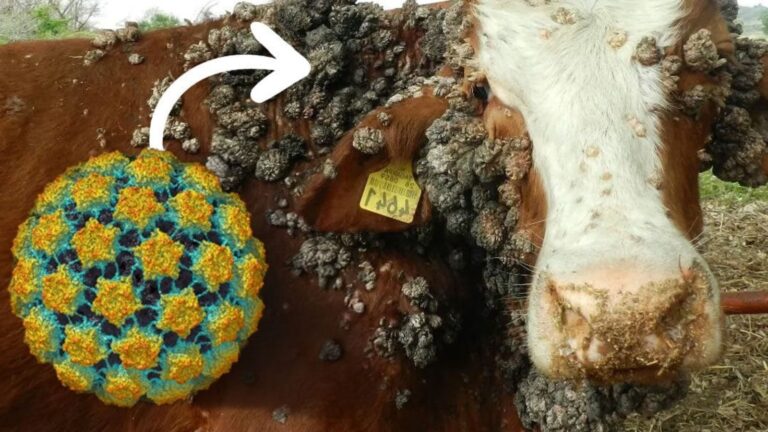
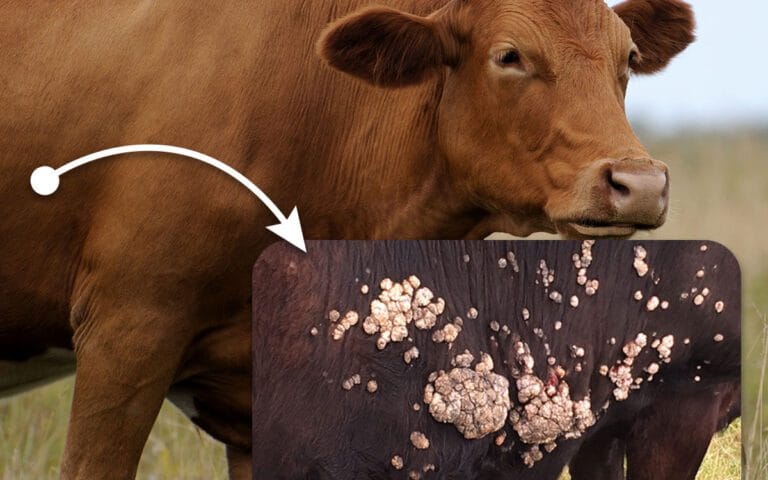
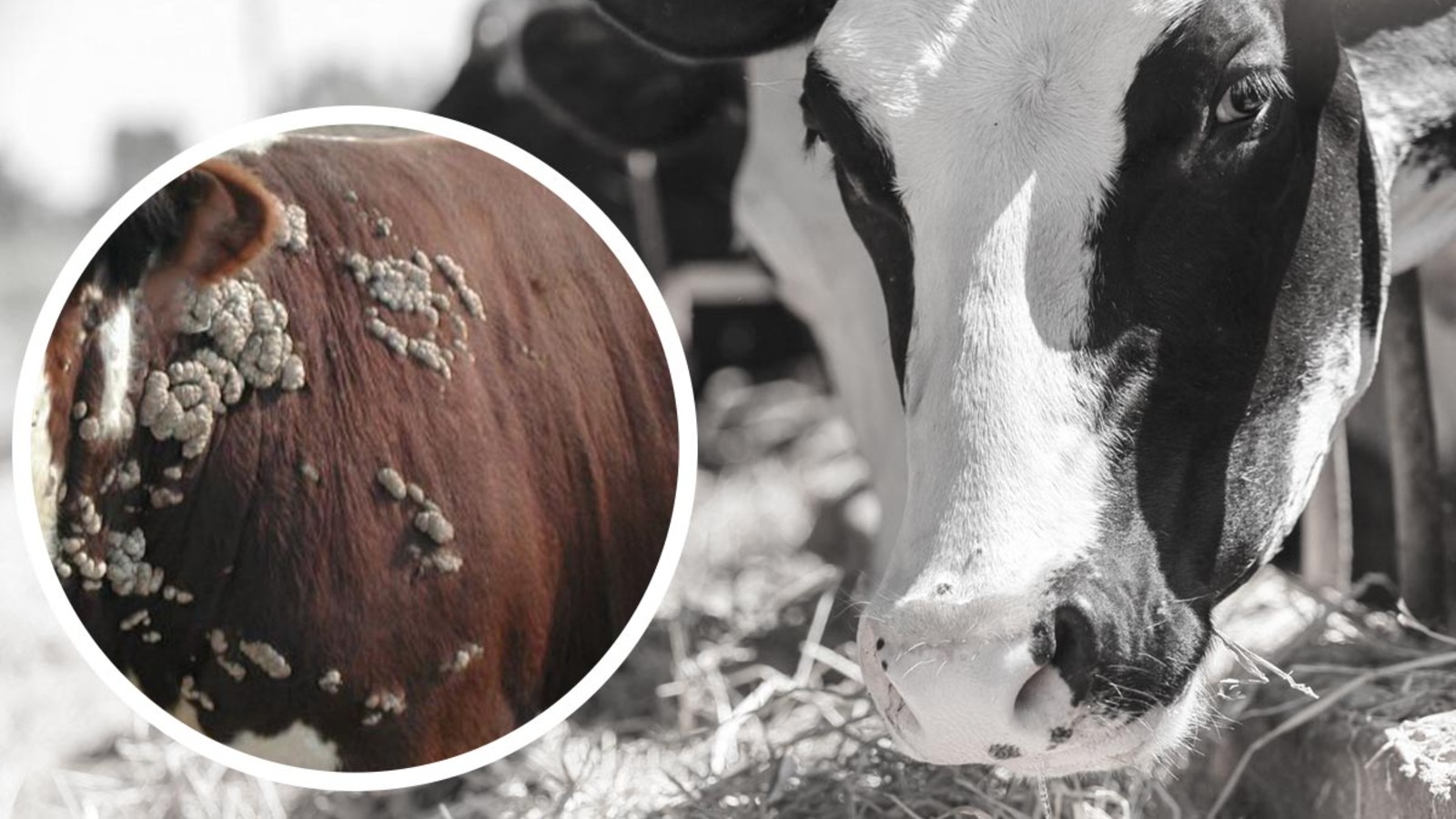
Yes, you can sell a cow with warts, but expect fewer buyers and no place in the show ring until the warts are gone. Warts are caused by bovine papillomavirus, a contagious virus, so most buyers do not want to bring it home to their own young stock.
That leaves you three honest options:
- Wait. Most warts drop off on their own within a few months, and a clear cow sells best.
- Sell now and tell the buyer. A buyer who knows about the warts and accepts them is a fair sale.
- Have the warts removed first. Your vet can cut them off, which is the usual route for show and sale cattle.
A quick word on names. On dairy farms we often hear “warts” or “hairy heel warts” for digital dermatitis, also called Mortellaro disease. That is a bacterial hoof disease, not a true wart, and it changes the sale question, so it has its own section below. The rest of this article is about warts on the skin and teats.
Why Do Buyers Worry About a Cow With Warts?
Buyers worry because the wart virus spreads easily and lasts a long time outside the cow. Purdue University’s extension sheet on cattle warts sums up what a careful buyer is thinking about:
- It survives on equipment. The virus can live for weeks or months in a shed wart or in bits of tissue on a halter.
- Young stock catch it most. Calves are the most susceptible, and few cattle over two years old get warts. A buyer with a barn full of heifers has the most to lose.
- It gets in through small cuts. Ear tagging and tattooing are common ways calves are infected, so one cow with warts can affect the whole next group through the tag pliers.
- Healthy-looking cattle can carry it. Not every animal with the virus shows warts, and carriers can still pass it on.
Dairy buyers have one more question: where are the warts? Warts on the face and neck are mostly a looks problem. On the teats it is different. The Merck Veterinary Manual describes small, smooth teat nodules that usually go away by themselves, and frond-like warts at the teat end that get in the way of milking by blocking milk flow or stopping the liner from sealing. Those may need to be cut off.

We deliver essential insights, learnings, and observations on hoof care straight from our community of farmers, owners, and trimmers.
Join Hoof ClipsCan You Show or Sell a Cow With Warts at a Fair?
Usually not while the warts are visible. Because the virus is infectious, Purdue notes that animals with warts are disqualified from shows and exhibitions, and many shows write this into their health rules. The 2025 National Western Stock Show health requirements, for example, say an animal with multiple warts will not be permitted to exhibit.
Removing warts before a show is a normal, accepted step. The Royal Agricultural Winter Fair dairy cattle rules in Toronto ban surgery that changes how an animal looks, but they list the removal of warts as an exception. Purdue adds that after a vet cuts warts off, healing is quick, the animal should be show-eligible in a few days, and the warts usually do not come back.
Every show and sale writes its own rules, so read the health section of the one you are going to before you load the trailer. If you are not sure the cow will pass the check at the gate, talk to your vet a few weeks ahead rather than the night before.
How Long Should You Wait Before Selling a Cow With Warts?
Wait until the warts have dropped off, which for most cattle is a few months. Purdue’s advice is that warts usually shrink and fall off on their own after a few months, and that this natural recovery is why so many home treatments seem to work.
Think about the rest of the group too. Warts show up one to six months after a calf picks up the virus, so a heifer that looks clean today may still break out after she has left your farm. If one animal in a pen has warts, look closely at her pen mates before you sell any of them, and mention it to the buyer.
If you are thinking about a wart vaccine to speed up a sale, know what it can and cannot do. Purdue says vaccines may help prevent warts in cattle that are not yet infected, but they have not been found to be of value in treating warts that are already there.
What Should You Tell a Buyer?
Tell the buyer everything you know about the warts before the sale, not after. Full disclosure protects the buyer’s herd and your name, and a buyer who finds warts you did not mention is unlikely to buy from you again. Give them:
- Where the warts are: head and neck, body, or teats.
- How long she has had them, and whether they are growing or shrinking.
- Any effect on milking, such as teat warts that slow milk-out or stop the liner from sealing.
- What has been done: vet removal, vaccination of the herd, or nothing yet.
- The herd picture: whether pen mates have warts, and whether you disinfect tagging and tattoo tools.
If you sell privately, you can agree with the buyer to deliver the cow once she is clear. That keeps the deal and keeps the virus off their farm.
Buying a Cow With Warts: How to Protect Your Herd
If you buy a cow with warts, keep her away from your young stock and keep her equipment separate until she is clear. These steps come from Purdue’s guidance and the Cornell University guide to cleaning and disinfection on the dairy farm:
- House her apart from calves and heifers, the cattle most likely to catch warts.
- Give her her own halter and rope, or clean and disinfect them before they touch another animal.
- Disinfect tag and tattoo pliers between calves. Purdue suggests keeping two sets and switching between them, so each set gets enough time in the disinfectant.
- Clean the places cattle share, such as calf hutches, handling areas and the milking parlour.
- Check her teats at milking and keep cuts and scrapes on the teats clean, since the virus enters through broken skin.
Warts on the skin seldom make a cow sick, and most clear without treatment. If a wart is growing fast, bleeding, infected or in the way of milking, call your vet. For the full list of removal options and when each makes sense, see our guide on how to get rid of warts on cattle, and for how the virus works, our guide to bovine papillomavirus in cattle.
What If the “Warts” Are on Her Feet?
If the “warts” are on the heels, you are most likely looking at digital dermatitis, and for a buyer that is a bigger risk than skin warts. Digital dermatitis, or hairy heel warts, is a painful bacterial infection of the skin above the heel. It is not caused by the wart virus, it does not clear up by itself the way skin warts do, and it causes lameness.
Bought-in cattle are one of the ways digital dermatitis gets into a clean herd. Before you buy, lift the hind feet and look at the skin above the heel bulbs and between the claws: a raw, red, strawberry-like sore or a hairy, warty growth is a warning sign. After you buy, keep new cattle apart at first, check their feet, and treat any sore before they join the herd. Our article on hairy heel warts in cattle shows what to look for and how each stage is treated.
If you are the seller, treat active sores before the sale and say so. A cow sold lame or with an open heel sore is a poor deal for both sides.
Selling a Cow With Warts: Common Questions
Can people catch warts from a cow?
No human case is described in the research we read. Papillomaviruses mostly stay with one host species. Horses and donkeys are the exception: two types of bovine papillomavirus cause sarcoids in them, so keep horse tack and grooming tools apart from the cattle’s.
Will a wart vaccine clear warts before a sale?
No. Purdue says wart vaccines may help prevent warts in cattle that are not yet infected, but they have not been found to treat warts that are already there. To get a cow clear for a sale, wait for the warts to drop off or ask your vet about removing them.
Can you remove warts before a cattle show?
Yes, a vet can cut them off, and many show rules allow wart removal. Purdue notes that healing is quick and the animal should be show-eligible in a few days. Check the health rules of the show you are entering first.
Do you have to tell a buyer that a cow has warts?
You should. The virus can spread to the buyer’s cattle, so tell them where the warts are, how long the cow has had them and what has been done. Many buyers will still take a cow with warts if they know, or agree to wait until she is clear.
- Cattle Warts / Bovine Papillomatosis, Purdue University Cooperative Extension Service, VY-58 (R. L. Morter and L. Horstman), revised 1992.
- Diseases of Bovine Teats and Skin, Merck Veterinary Manual (J. E. Hillerton).
- Studies of Animal Papillomaviruses, in Human Papillomaviruses, IARC Monographs Volume 90, International Agency for Research on Cancer, 2007.
- 2025 National Western Stock Show Livestock Health Requirements, National Western Stock Show, Denver.
- Dairy Cattle Rules & Regulations, The Royal Agricultural Winter Fair, Toronto, 2026.
- Cleaning and Disinfection on the Dairy Farm, Cornell University College of Veterinary Medicine.