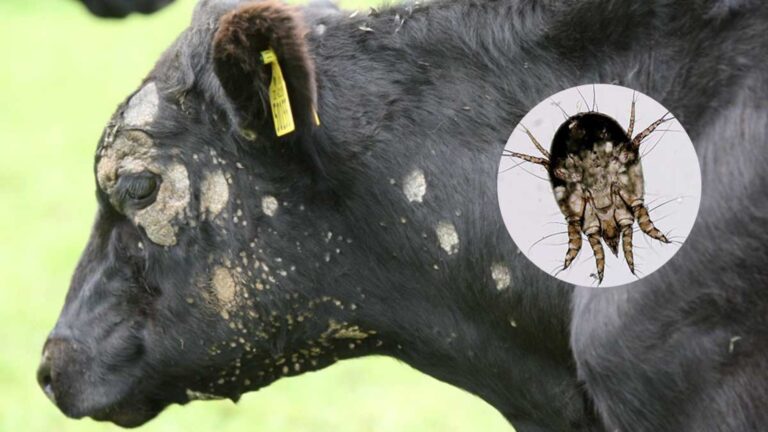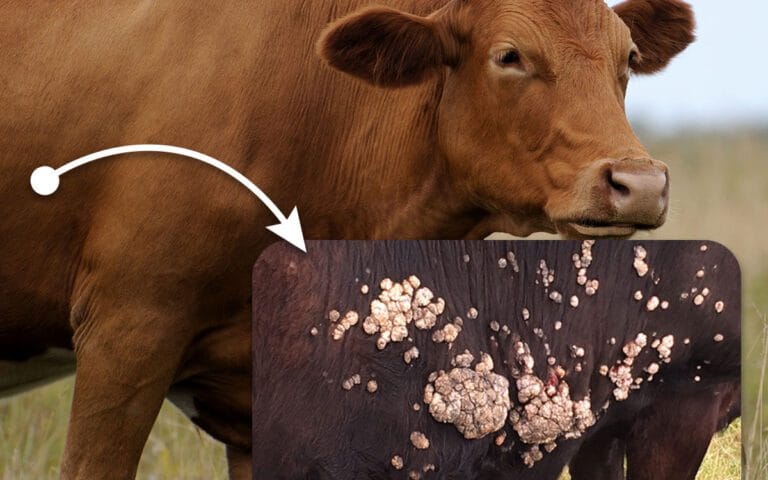


Bovine papillomavirus is the virus behind most warts in cattle, and bovine papillomatosis is the disease it causes. This guide explains the science behind warts: the virus types, how it spreads through a herd, what it costs and who else can catch it, so you can make informed decisions about herd health.
Bovine papillomatosis is a contagious skin disease of cattle caused by bovine papillomavirus (BPV). The virus enters through broken skin and spreads by contact and shared equipment such as halters and ear tag pliers; it mostly affects cattle under two years old. Warts usually disappear on their own within one to six months. People are not known to catch it, but horses can, where it causes sarcoids.
What Is Bovine Papillomavirus?
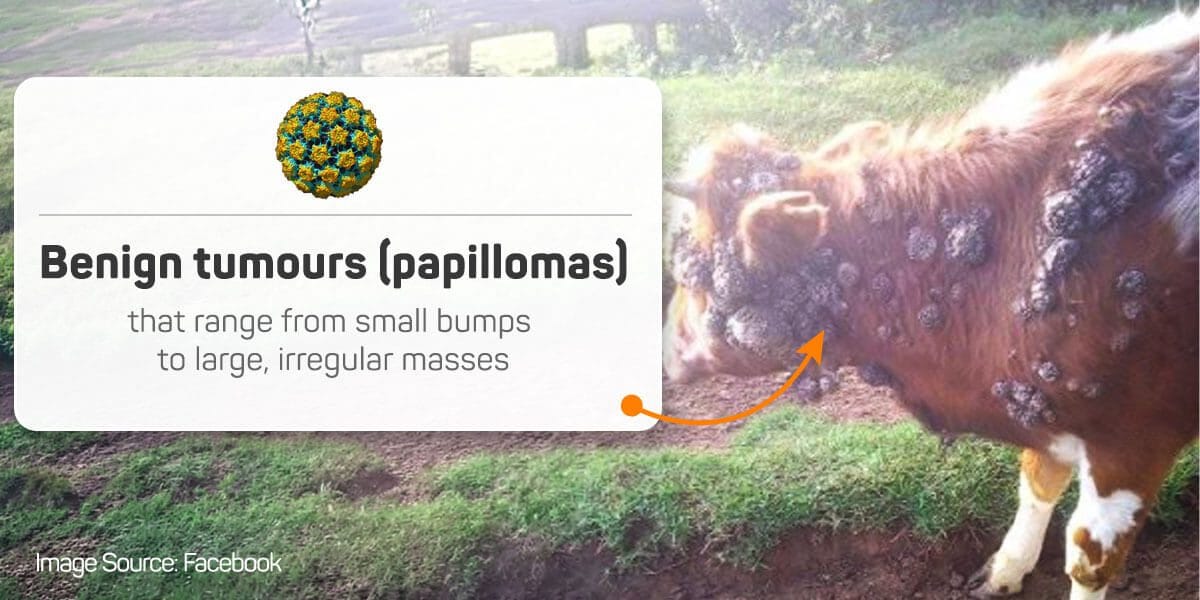
Bovine papillomavirus (BPV) is the virus that causes warts in cattle, and bovine papillomatosis is the name of the disease it causes. The virus enters through damaged skin and makes the cells grow into benign tumours (papillomas) that range from small bumps to large, irregular masses.
Bovine papillomatosis affects cattle operations more often than most producers realize. Research shows that roughly 60% of cattle in Brazil carry the virus, while 50% of UK cattle show lesions linked to it. These numbers likely underestimate the true infection rate, as many animals carry the virus without showing symptoms.
Most cases involve young cattle under two years old. Their developing immune systems lack prior viral exposure, making them vulnerable during stressful periods such as weaning or transport, when natural defences weaken. Purdue University Extension sees few cases of warts in cattle over two years of age.
How Many Types of Bovine Papillomavirus Are There?
At least 15 types of bovine papillomavirus have been described, and each type tends to grow in its own part of the body with its own kind of growth. New types are still being found, many of them in teat warts and in healthy-looking teat skin (IARC). The six best known types are:
Types and sites as described by IARC (Monograph 90) and the Merck Veterinary Manual (see Sources).
Two of these matter beyond the skin. In cattle that graze bracken fern, BPV-2 is linked to bladder tumours and BPV-4 to cancer of the upper digestive tract, because chemicals in the fern weaken the immune system and damage cells (IARC). Keep bracken out of pastures and hay.
How Does the Virus Spread Through Your Herd?
Bovine papillomavirus spreads by direct contact between cattle and by anything that touches an infected animal and then a healthy one, and it needs broken skin to get in. Broken skin from equipment edges, rough surfaces, ear tagging, tattooing or scratches gives the virus its entry point.
The virus spreads through different paths:
- Direct contact: skin-to-skin contact between infected and healthy cattle.
- Shared equipment: halters, ropes, headlocks, ear tag and tattoo pliers, and milking units.
- Shared facilities: shows, sales and other places where cattle from many farms meet.
- The environment: the virus can survive for weeks or months when protected in shed wart tissue, for example on a halter (Purdue).
- Carriers without warts: BPV DNA turns up in normal-looking skin, blood, milk and urine of infected cattle (Merck), so a calf can catch it from an animal that looks clean.
- Flies: suspected, but not proven.
Your highest risk group is replacement heifers entering the milking herd. They arrive with no immunity, and the transition stress suppresses their ability to fight infection. Show cattle face additional exposure through shared facilities and direct contact with animals from multiple operations.


We deliver essential insights, learnings, and observations on hoof care straight from our community of farmers, owners, and trimmers.
Join Hoof ClipsWhat Does Bovine Papillomatosis Look Like?
Bovine papillomatosis shows as warts, from small smooth bumps to large, rough cauliflower-like masses, often in clusters on the head, neck, shoulders or teats. Warts usually appear one to six months after infection (Purdue).
The appearance ranges from small, smooth nodules to large, rough masses. Multiple warts often cluster in affected areas. While generally benign, complications arise when:
- Teat warts interfere with the milking equipment seal or block milk flow.
- Neck and shoulder growths catch on equipment and tear, increasing the risk of infection.
- Visible warts disqualify show animals from competition.
- Large masses cause discomfort or restrict movement.
A vet usually recognizes warts on sight. When a growth looks unusual, a biopsy confirms it, and some laboratories can tell the BPV type with molecular tests (ScienceDirect). Warts on the foot are a different disease: hairy heel warts are digital dermatitis, a bacterial infection, not BPV.
What Does Bovine Papillomatosis Cost Your Operation?
Bovine papillomatosis costs money mainly through teat warts that slow milking and through show and sale animals that cannot go out with visible warts. Show cattle with visible warts face disqualification (Purdue), eliminating months of preparation and registration fees.
Dairy operations experience production losses when teat lesions prevent a proper milker unit seal. The machine pulls air instead of maintaining a vacuum, extending milking time and reducing parlour efficiency. Frond-like teat warts can also block milk flow directly (Merck).
Warts on sale animals cost you at the auction too. See can you sell a cow that has warts for what buyers look at.
Can Humans Get Bovine Papillomavirus?
No case of a person catching bovine papillomavirus is described in the sources we read, and human warts come from human papillomaviruses, a separate group. Papillomaviruses mostly stay with one host species (IARC), and cattle cannot get human warts either.
Horses are the known exception. BPV-1 and BPV-2 infect horses and donkeys and cause sarcoids, a common skin tumour in horses, and the virus types found in sarcoids match those in cattle from the same area (IARC). If you keep horses with cattle, keep tack and grooming tools separate from the cattle’s.
Wear gloves when you handle warts or remove them, and wash your hands afterwards, as you would with any skin lesion.
Can Bovine Papillomatosis Be Treated?
Most cases need no treatment: warts usually last one to six months and then disappear on their own as the immune system catches up, and multiple warts tend to go at the same time (ScienceDirect). Step in when warts interfere with milking, bleed, or stand between an animal and a show or sale.
Your veterinarian can remove warts surgically, and frond-like teat warts that interfere with milking may need to be cut off (Merck). For herd outbreaks or newly calved heifers, Merck lists autogenous vaccines (made from the herd’s own warts) and low-pH teat dips. Purdue notes that vaccines may help prevent warts in cattle not yet infected but have not been found to treat warts that are already there.
For removal methods and home remedies, see our guide on how to get rid of warts on cattle.
How Do You Stop Bovine Papillomavirus Spreading?
You stop bovine papillomavirus spreading by keeping infected and young cattle apart where you can and by cleaning anything that breaks the skin or touches warts between animals. These steps follow Purdue’s advice:
- Disinfect ear tag and tattoo pliers between calves. Purdue suggests two sets that you alternate, so one soaks while you use the other.
- Clean halters, ropes and grooming tools used on cattle with warts before they go on another animal.
- Keep young stock away from animals with active warts, above all replacement heifers before they join the milking herd.
- Fix sharp edges on headlocks, feeders and gates that scrape the skin.
- Talk to your vet about vaccination for cattle that are not infected yet, and about teat dips in a teat wart outbreak (Merck).
Frequently Asked Questions
What is bovine papillomavirus?
Bovine papillomavirus (BPV) is the virus that causes warts in cattle. It enters through broken skin and makes skin cells grow into benign tumours called papillomas. At least 15 types are known, and each grows in its own part of the body, such as the head and neck or the teats.
Is bovine papillomatosis contagious?
Yes, between cattle. It spreads by direct contact and through shared equipment such as halters, ear tag and tattoo pliers, and milking units, and the virus can survive for weeks or months in shed wart tissue. Cattle can also carry the virus without visible warts.
How long do warts from bovine papillomavirus last?
Usually one to six months. Most warts then disappear on their own once the immune system responds, and several warts on one animal tend to go at the same time. Some teat warts last much longer.
Can people or horses catch bovine papillomavirus?
No case of a person catching it is described in the sources we read; human warts come from human papillomaviruses. Horses and donkeys can catch BPV-1 and BPV-2, which cause sarcoids, so keep horse tack and grooming tools separate from the cattle’s.
Conclusion
Understanding bovine papillomatosis helps you make informed decisions about herd health management. Most cases resolve through natural immunity, so put your effort into stopping the spread: clean equipment that breaks the skin and protect young stock before they meet the virus. When warts affect production or welfare, your veterinarian can recommend interventions.
Want more practical herd health notes like this? Join our Hoof Clips newsletter.
- Studies of Animal Papillomaviruses, in Human Papillomaviruses, IARC Monographs Volume 90, International Agency for Research on Cancer, 2007.
- Diseases of Bovine Teats and Skin, Merck Veterinary Manual (J. E. Hillerton).
- Cattle Warts / Bovine Papillomatosis, Purdue University Cooperative Extension Service, VY-58 (R. L. Morter and L. Horstman), revised 1992.
- Bovine Papillomavirus: an overview, ScienceDirect Topics (Elsevier), excerpts from veterinary textbooks.