
After years of trimming cattle hooves, I heard every question a farmer could ask. But one always came up, usually as I’m packing after a long day: ‘Hey, since you’re here with your tools, could you check my horse’s hooves too?’ My standard response usually gets a laugh: ‘Sure, only if you let me split that hoof down the middle first!’
That answer captures the main difference between horses and cows. Horses have one solid hoof per leg, while cows have split hooves with two separate claws to distribute weight. This changes how we, as hoof care professionals, work on them and why you need different specialists for each animal.

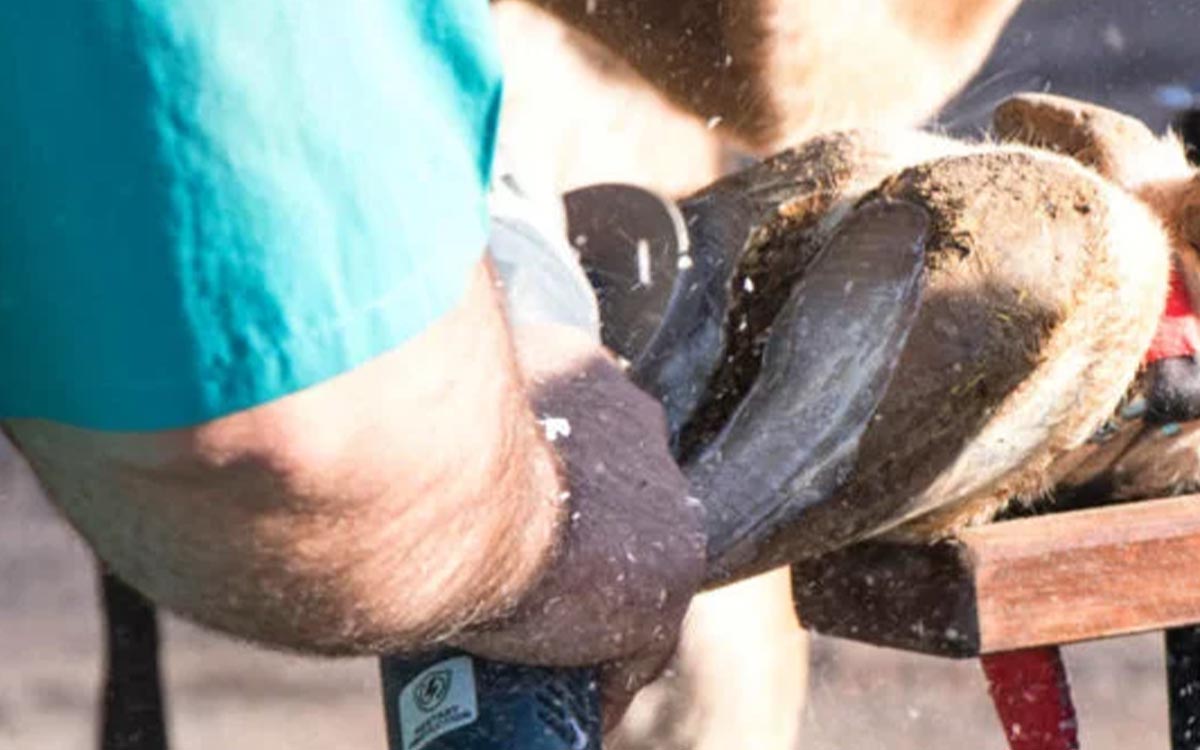
As a cattle trimmer, I build my approach around weight distribution between the two claws. I balance the load between the lateral and medial claws – removing excess horn from the weight-bearing claw and adjusting angles to redistribute pressure, ensuring both hit the ground evenly.
But if you put me in front of a horse’s single hoof, I’m lost. Early in my career, I thought ‘Horn is horn, right?’ I’d remove some wall horn, but I had no clue what I was trying to achieve. Without that second claw as a reference point, I had no basis for understanding proper balance. This is why I always refer horsework to qualified farriers. I respect the complexity of their craft enough to know it’s beyond my expertise.
Understanding Hoof Anatomy: Two Distinct Structures
When farmers ask about the difference between horse and cow hooves, I start with the basics. Horses have a single, solid hoof structure on each leg – one unified weight-bearing surface rather than the divided structure in cattle. Cows walk on split, cloven hooves. Each foot has two separate, independently moving digits, or claws.
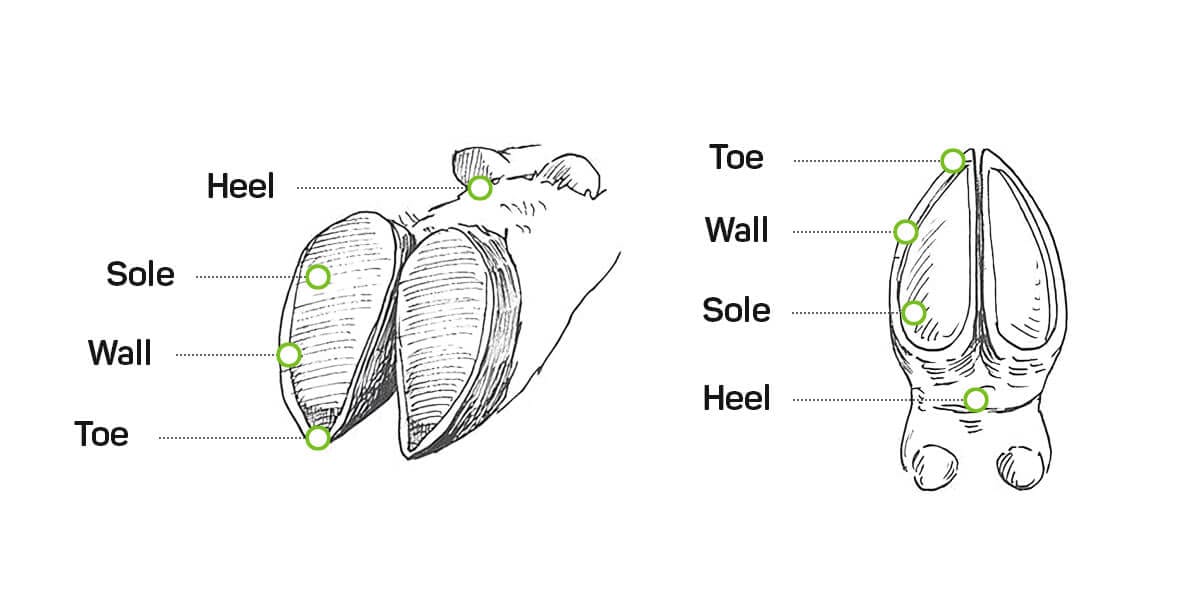
This fundamental anatomical difference influences how these animals move, how their hooves function, and the type of professional care they require.
Observing the Horse’s Hoof
A horse’s hoof is like a single, solid unit. I know it’s an amazing piece of design. There’s a hard outer wall, a sensitive sole underneath, and a V-shaped part called the frog that helps with shock absorption. It’s all connected in one piece, which is why my joke about splitting it works with farmers.
What Makes Cow Hooves Unique
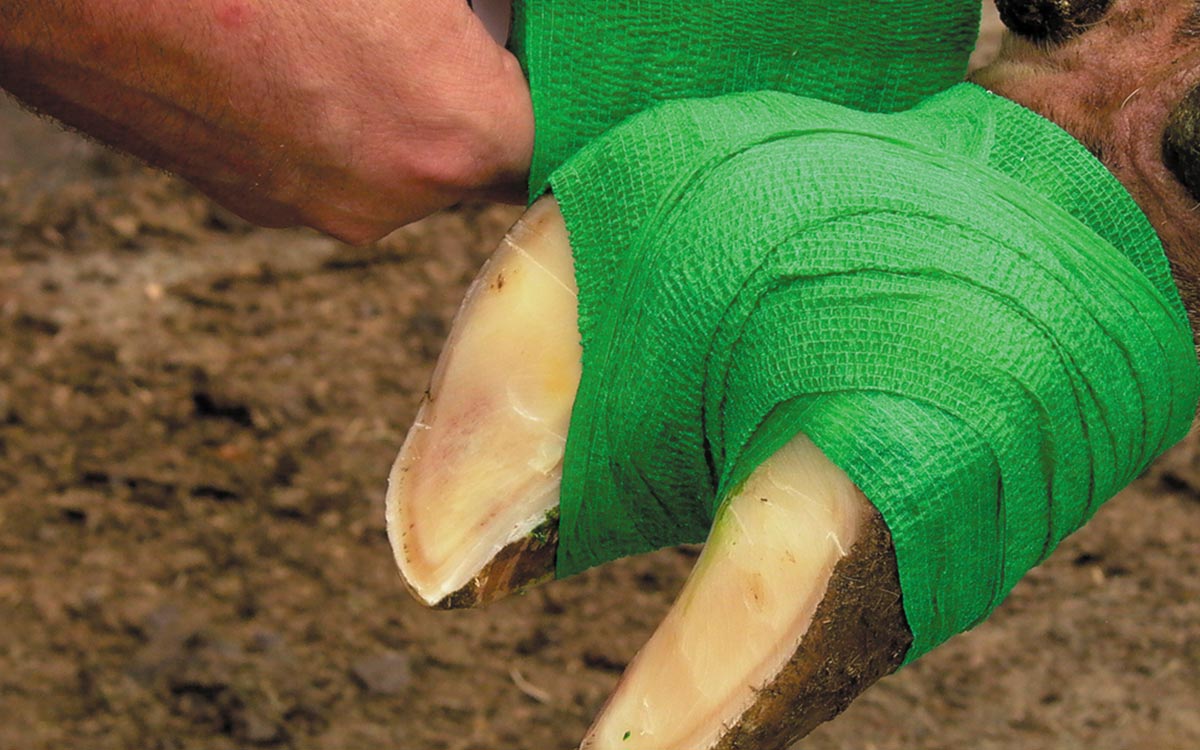
Now, cow hooves are where my experience and familiarity kick in. Those split hooves have two separate claws, each with its sole and wall. When a cow walks, the claws move independently, unlike a horse’s hoof. Between the claws is a space that cleans out mud and debris, though it sometimes needs assistance from folks like me.
How Different Hooves Work: Function and Movement
Horse and cow movement patterns explain their different hoof structures. Understanding these differences is essential to proper care.
Horse Hooves in Action
Horses were designed for running and powerful work, and their hooves demonstrate this. That solid hoof works like a natural shock absorber when they gallop across hard ground or pull heavy loads. Consider our Amish farmers who rely on their horses to pull wagons and equipment daily.

The hoof is built for speed and work, so farriers must be precise in their work. Whether running free or pulling a plow, it must be perfectly balanced for the horse to move correctly.
Cow Hooves at Work
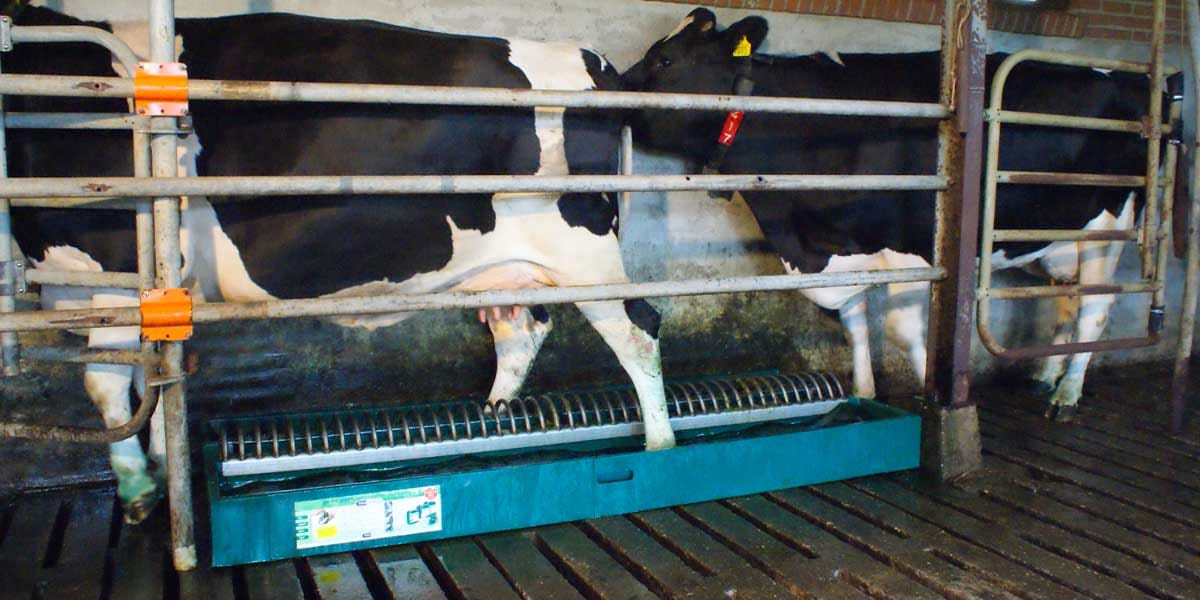
Cow hooves are built for grazing. They move across pastures on soft, wet ground. Those split hooves spread apart slightly for better stability on soft ground. Farming has changed. Cows are now housed on concrete and eat at feed bunks instead of grazing. All cattle housed in a barn show different hoof growth patterns compared to cows on a straw pack or pasture, and as trimmers, we need to consider this difference.

Hoof Diseases in Horses and Cows
Horse and cow hooves face different health challenges due to their structures and environments. While some conditions sound alike, they develop and require treatment differently in each species.
Common Horse Hoof Problems
While I focus on cattle hoof care, I’ve learned enough about horse problems to understand why farriers need specialized training. The issues they face differ from those of cattle.
- Thrush is the horse equivalent of digital dermatitis in cattle – a bacterial infection affecting the frog (the V-shaped part of the hoof). You’ll recognize it by the smelly discharge and horses becoming tender in that area. My farrier friend in British Columbia, Joan Leslie, uses Intra Repiderma to promote healthy hooves, showing how this product supports overall hoof health across applications.
- Laminitis is a serious condition where the tissues connecting the hoof wall to the internal structures become inflamed. It’s similar to cattle laminitis, but the treatment and management are different due to the unique hoof structure.
- White Line Disease affects the connection between the hoof wall and sole, creating separation that can lead to serious problems. Cattle can also develop white line issues, but the solid horse hoof causes this condition to progress differently.
- Navicular Disease, which is specific to horses, affects the navicular bone deep inside the hoof and causes chronic lameness.
- Abscesses can develop when bacteria get trapped inside the hoof, causing sudden, severe lameness. Their symptoms and treatment differ from the cattle claw abscesses I see.
This is why I stick to what I know and refer horse work to qualified farriers. Each condition requires specific knowledge about hoof anatomy that’s different from my cattle expertise.

Repiderma
Repiderma is a topical skin care product that supports hoof health, prevents cracks, and protects against minor skin damage between trimmings.
Visit StoreCommon Hoof Problems in Cows
In cattle, the most common hoof problems I encounter are Digital Dermatitis (also known as “hairy warts”), sole ulcers, double soles, laminitis, and abscesses. These bacterial and structural issues differ from those affecting horse hooves.
The biggest challenge for dairy farmers is digital dermatitis. These painful bacterial lesions between the claws can quickly spread through a herd if not addressed. When cows are limping and reluctant to walk to the milking parlour, milk production drops significantly, and that affects farmers’ wallets.
I’ve had excellent results treating Digital Dermatitis with Intra Hoof-fit Gel, an over-the-counter Canadian treatment that targets bacteria and heals these lesions. For overall hoof health, I use Repiderma as a booster that strengthens tissue and skin, preventing issues.
The key is combining targeted treatments with preventive care. I have written extensively about these conditions and found that this approach yields the best long-term results for our clients’ herds.
Why Different Experts for Horses and Cattle?
My setup as a cattle trimmer is explicitly designed for cows, from my trimming chute to my knives and blocks, and from a gate system to my power tools. This creates problems with horses: they become nervous in cattle chutes, and the power tools used on calm cattle make them anxious and frightened.
Why an Expert is Needed for Horse Hooves
Horse hoof care is a specialty that requires dedicated training and practice, similar to cattle trimming. Farriers need to understand balance, angles, and movement patterns different from those in cattle. They employ various tools and techniques, encountering distinct potential problems.
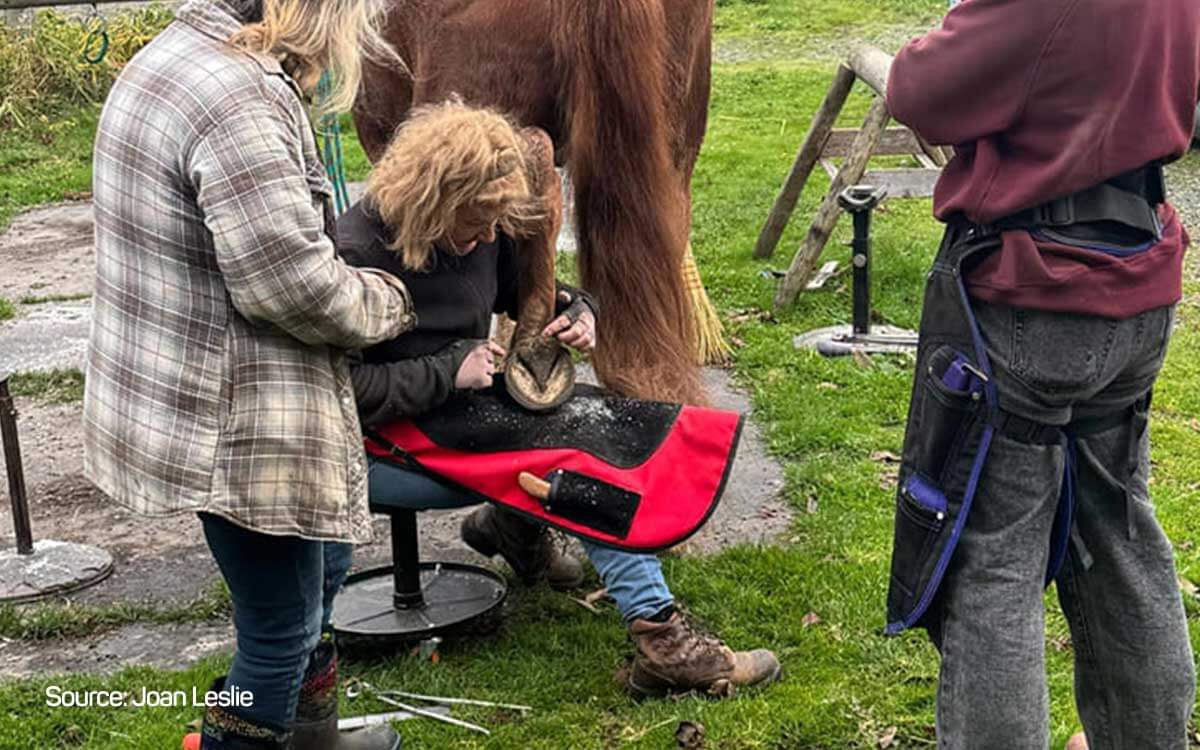
The good news is that many people develop real skill in horse hoof care through practice and dedication. Just as I fell in love with working on dairy cows, some folks develop a passion for horses and learn proper hoof care. Some become professional farriers, while others become skilled enough to handle basic maintenance on their horses.
For skilled hoof care, check out Joan Leslie’s Facebook group at JVL Natural Balance Farrier. She shares practical tips and runs hands-on workshops.
The key is proper training and starting with the fundamentals. First, people must understand horse hooves, learn techniques, and practice under guidance. It takes time, but with patience and the right approach, they can develop practical skills in horse hoof care.
The Cattle Trimmer’s Approach
When I’m working on cattle hooves, I focus on maintaining proper weight distribution between the two claws and keeping the split between them healthy. It’s specialized work, similar to what farriers do, but in a unique way. I follow the five-step ‘Dutch’ method for cattle hoof trimming, which is designed for cattle hooves in 1970, and still evolving. I’ve spent years perfecting the art of precision in measuring toe length and adjusting claw angles for proper locomotion.
Questions About Hooves and Trimming
What are the most common hoof problems in horses compared to cows?
Horses face challenges like thrush, laminitis, and navicular disease. Cattle are susceptible to digital dermatitis, sole ulcers, white line disease, and foot rot. These differences stem from their unique hoof structures.
How often do cow hooves need trimming compared to horse hooves?
Cattle require trimming every 4-6 months, although this interval can vary depending on the environment and individual animals. Horses need attention every 6-8 weeks because their solid hooves grow at a different rate, and they are often more active on more complex surfaces.
Conclusion: Beyond the Basics
Understanding the fundamental differences between horse and cow hooves is just the starting point. Whether you’re managing a dairy operation or caring for horses, the key to successful hoof health lies in prevention and early intervention.
Regular observation is your best tool. Watch how your animals move, check for changes in gait, and don’t wait for obvious lameness before taking action. A small issue caught early saves both money and animal suffering.

Hoof Disease Reference Chart
This simple chart provides an overview of the different cattle diseases and will help you diagnose hoof problems.
Free Download