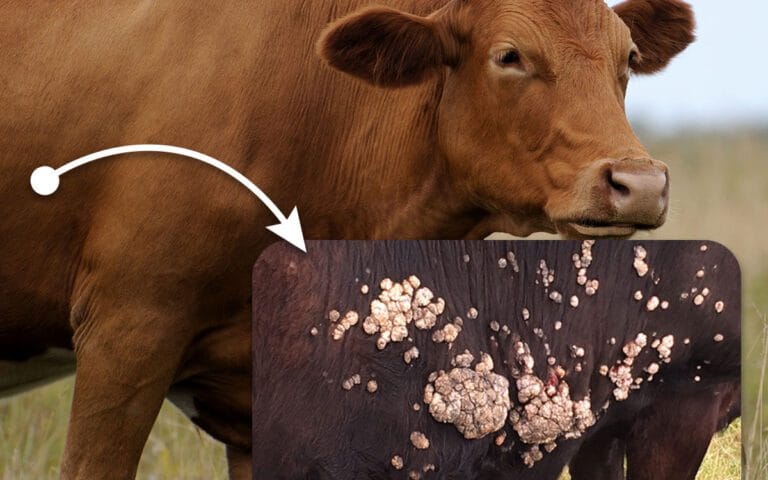


Scabs on cows are crusts that form over damaged skin, and they point to an underlying problem such as parasites, an infection or an injury. As a professional hoof trimmer, I’ve visited countless farms and encountered many cases of cattle scabs. This guide covers the eight common causes, how to tell them apart, and what to do about them.
The most common causes of scabs on cows are lice, mange mites (cattle scab, scabies and chorioptic mange), dermatophilosis (rain scald), lumpy skin disease and ringworm. Several look alike, so a veterinarian confirms the cause, often with skin scrapings, and the treatment follows from it. Rain scald and ringworm can clear up on their own; lice and mange mites usually need treatment.
What Causes Scabs on Cows?
Scabs on cows come from four kinds of causes: parasites (lice and mange mites), bacteria (dermatophilosis), fungi (ringworm) and viruses (lumpy skin disease). Many of them look alike, with hair loss and crusty skin, so the scab alone rarely tells you which one you are dealing with.
To effectively treat and prevent recurring cases, it is crucial to determine the root cause of the scabs. Working with a veterinarian ensures proper diagnosis and customized treatment.
This guide draws from professional field experience and extensive farm visits to help farmers address common challenges, as I am not a veterinarian. The information is compiled from years of hands-on experience and includes credible sources for additional reference.
Use this quick check to narrow it down before you call your vet:
Signs as described in the Merck Veterinary Manual and by Texas A&M and University of Wisconsin Extension (see Sources).
1. Lice
Lice cause scabs because the itching makes cattle rub and scratch until the skin is damaged. Though lice infestations aren’t common in my work field, they remain a significant issue for farmers. Texas A&M AgriLife Extension lists skin crusting or scabbing among the signs of lice in cattle. Farmers notice signs like:
- Rubbing against surfaces: Cows scratch on fences and posts.
- Hair loss: Patches of bare skin appear.
- Skin damage: Evidence of irritation or abrasions.
- Raw spots: Indicated by redness from ongoing itching.
- Lameness or weakness: Difficulty walking and standing, appears tired.
- Decreased production: Milk yields drop, with cases of weight loss.
- Anemia: Weakness and paleness due to a decrease in blood cells.
- Weight loss: Visible reduction in body mass, thinning.

While lice infestation is manageable, it can become a significant problem when left uncontrolled, particularly in cows with poor immune systems (e.g., calves). Overcrowded conditions worsen infestations since lice spread through direct contact.
Lice problems typically peak in winter, so farmers should take preventive measures before it arrives; Texas A&M advises treating in late fall and early winter. Cows can be affected by multiple types simultaneously. The main categories are:
- Biting lice chew on cows’ skin and eat debris.
- Sucking lice feed on blood.
University of Wisconsin Extension puts the treatment threshold at ten or more lice per square inch, and notes that injectable products work better on sucking lice while products applied to the skin work better on biting lice. The best approach is to consult your local farm supply store or veterinarian for effective treatment options tailored to your specific circumstances.
2. Scab Mites
Mites are tiny parasites that cause scabs by irritating the skin as they feed. Texas A&M describes how scab mites first irritate the skin and then cause scabs that grow as the feeding goes on. Some burrow into the skin (scabies mites), while others live on the surface. Mites are found on many animals, including dogs, chickens, and cows, and some of them cause mange. The common types affecting cattle are:
- Sarcoptes scabiei (scabies mites)
- Psoroptes ovis (psoroptic mites)
- Chorioptes bovis (chorioptic mites)
- Demodex bovis (cattle follicle mites)
A heavy infestation can run into the thousands of mites on one animal, making them a big concern on farms. Mite problems are usually worse during winter, similar to lice. These parasites can cause skin diseases that weaken the cow or lead to infections if untreated. Addressing infestations quickly is essential to protect your herd’s health.
3. Cattle Scab (Psoroptic Mange)
Cattle scab, also known as psoroptic mange, is caused by Psoroptes ovis, a mite that lives on the skin surface and does not burrow. According to the Merck Veterinary Manual, signs can appear within a week:
- Thick, scabby crusts
- Hair loss
- Intense itching
- Lesions that start on the shoulders and rump and can spread over almost the whole body

Psoroptic mange needs quick attention because it can heavily affect your cow’s health and easily spread to others in the herd. As a hoof trimmer, I recommend contacting your vet right away if you see signs of mange. Don’t wait: those mites can spread to other cows through direct contact or shared equipment and surfaces. Taking prompt action will protect the affected cow and your entire herd.
In the United States, psoroptic and sarcoptic mange in cattle are federally reportable diseases, according to Texas A&M. Your vet will know the rules where you farm.
4. Scabies in Cattle (Sarcoptic Mange)
Scabies in cattle, or sarcoptic mange, is a highly contagious skin disease caused by tiny mites that burrow into the skin. It spreads through direct contact between infected and healthy animals or contaminated objects. When cows first get infected, lesions usually appear on the head, neck, and shoulders. Without treatment, the mites can spread all over the body in six weeks.
Early symptoms include:
- Flaking skin
- Patches of hair loss
- Severe itching

The condition worsens over time, resulting in scabs, thickened skin, and large folds. Other warning signs include weight loss, decreased appetite, visible signs of stress and exhaustion, and irritated, inflamed skin. Scabies weakens your cattle and spreads rapidly through your herd.
Your vet will need to take skin samples to confirm scabies. Mites can cause a temporary skin rash in humans, which clears up on its own, according to the Merck Veterinary Manual. Regular checks are the best way to catch and treat this disease early, avoiding serious problems for your herd and potential transmission to your team. Quick action is vital to controlling infestations.
5. Chorioptic Mange
Chorioptic mange is a common form of mange in cattle caused by mites that live on the skin’s surface. Unlike scabies mites, they don’t burrow; they feed on shed skin cells and debris, according to the Merck Veterinary Manual. This irritation can lead to flaky skin, scabbing, crust formation, and self-inflicted hair loss from scratching or rubbing. Most infested cattle show no signs at all.

The disease typically starts at the pastern, just above the hoof, and spreads up the legs to the udder, tail, and nearby areas. Outbreaks are more common in late winter, and the lesions usually clear up by themselves during summer.
Transmission occurs through direct cow-to-cow contact or indirect exposure to contaminated environments, as mites can survive without a host for up to three weeks. Farmers should monitor cattle for signs of this condition and manage housing hygiene to control it.
6. Dermatophilosis (Rain Scald)
Dermatophilosis, or “rain scald,” is a bacterial skin infection that hits cattle exposed to prolonged wet conditions. The Merck Veterinary Manual names the bacterium Dermatophilus congolensis and describes three stages in cattle: matted tufts of hair (“paintbrush” lesions), then crusts or scabs, then wart-like growths. It is worst in animals with weakened skin or immune systems, and Merck names ticks as a major predisposing factor in cattle. Moist environments and biting insects can increase the spread of infection.
Young or stressed cattle are at risk, and the disease often causes reduced production and pain. Most cattle recover on their own within about three weeks as long as their skin can dry out, and dry weather speeds healing. Severe or untreated infections can worsen the condition. Prevention through clean, dry housing and regular care is critical. Immediate veterinary support is essential for severe or spreading cases.

I’ve observed lesions in areas where the hoof trimming chute contacts and secures the cow’s legs during hoof trimming. These dermatophilosis-affected spots have compromised, weakened skin that can easily tear or bleed, even when I handle the animal gently. The softened, damaged tissue makes them particularly vulnerable during routine procedures. Many of my clients use Intra Repiderma to promote healthy skin in these sensitive areas.
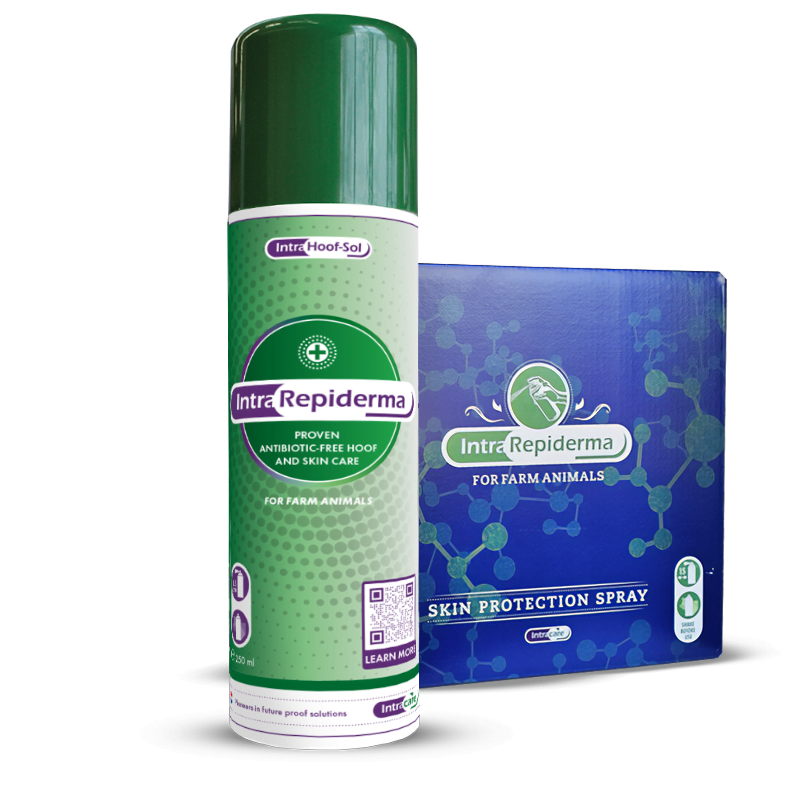
Repiderma is a topical skin care product that supports hoof health, prevents cracks, and protects against minor skin damage between trimmings.
Visit Store7. Lumpy Skin Disease
Lumpy skin disease (LSD) is a viral illness of cattle that has spread from Africa into the Middle East, Asia and Europe; the Merck Veterinary Manual reports cases in Italy, France and Spain in 2025. It is mainly spread by biting insects, and possibly through direct contact or shared equipment. It starts with fever, followed by firm, raised, painful lumps in the skin that harden, slough off and leave sores. Milk production drops.

Currently, there’s no antiviral treatment, so care focuses on symptom management using wound sprays, antibiotics for infection prevention, and painkillers. The most effective method to prevent transmission is vaccination, while supportive care reduces complications. Early management and prompt veterinary involvement are essential to combating this disease.
8. Ringworm
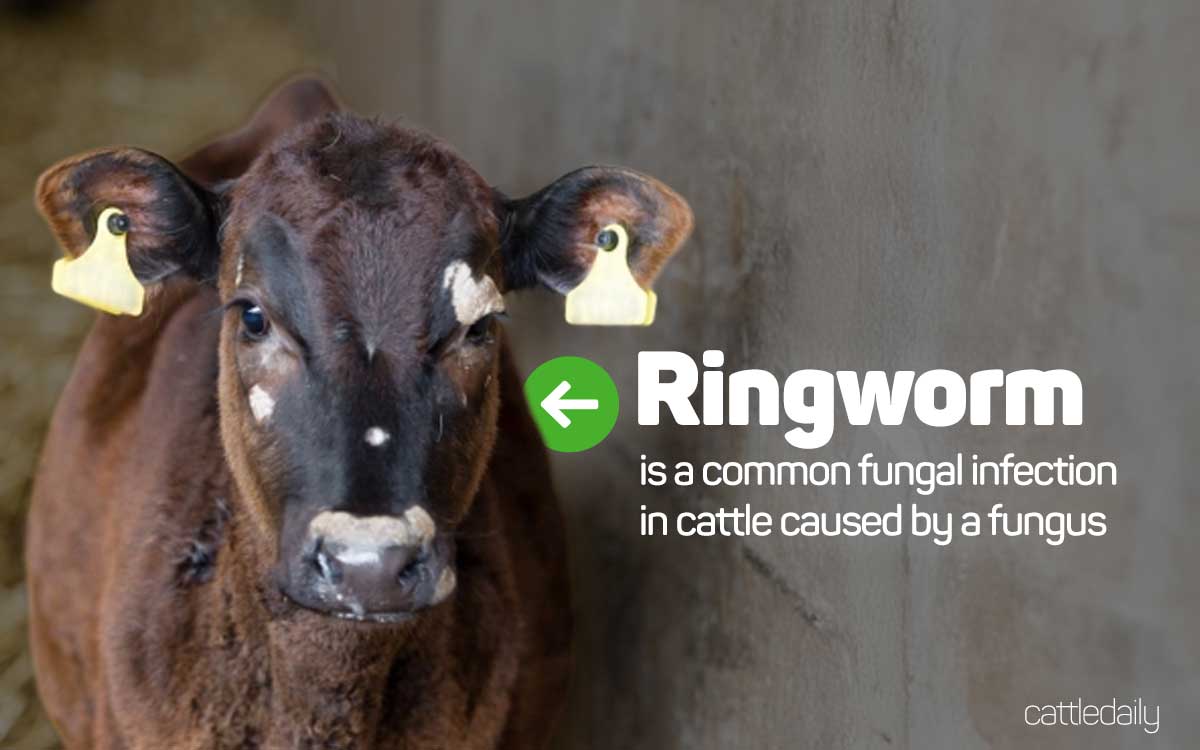
Ringworm is a common fungal skin infection in cattle, usually caused by the fungus Trichophyton verrucosum, according to the Merck Veterinary Manual. This highly contagious skin disease spreads through direct contact with infected animals or indirectly through contaminated surfaces, equipment, or the environment. Fungal spores can survive long periods, making them difficult to eliminate and posing a consistent transmission risk on farms. It is more common in winter, when cattle are housed close together.
The most noticeable signs of ringworm in cows are round, hairless patches with grey-white crusts. In calves they show up most often around the eyes; in cows and heifers on the chest and legs. Itching varies, but when it is there, rubbing can lead to injuries and worsen the cow’s discomfort. In severe cases, ringworm can delay growth, particularly in younger cattle, as the infection weakens the immune system and negatively impacts their overall condition.
Ringworm can easily spread from cattle to humans. I experienced this as a herd manager when some young stock had it, and I ended up with it on my hand. It’s essential to take precautions: always wear gloves when handling infected animals, wash your hands immediately after contact, and keep children away from infected areas to prevent human infection. Our post on ringworm in goats shows what the patches look like early on.
Ringworm can resolve on its own over time; Merck notes that it self-cures in cattle. In my experience, exposure to natural sunlight in spring helps. However, this hands-off approach has risks, as untreated infections can linger for months, spreading throughout the herd and lowering productivity. Taking action is essential to heal the affected animal and minimize the spread.
How Do You Treat Scabs on Cows?
You treat scabs on cows by treating their cause, so the first step is always to call your veterinarian. These aren’t to ignore. They’re often a sign of something serious, such as an infection or parasites, that requires professional attention.
Your vet will identify the cause of the scabs and recommend the right treatment. Here’s the plan:
Veterinary Diagnosis
The vet may need to take samples of the scabs or skin to identify the cause. Each case requires different treatment, whether it’s lice, mites, bacteria, fungi, or a virus. For mange, the Merck Veterinary Manual lists injectable and pour-on products from the ivermectin family; your vet chooses the product and the milk and meat withdrawal times.
Isolation of Affected Animals
Keep cows with scabs away from healthy ones to stop the problem from spreading. Ensure the separated cow has clean housing and is treated well.
Environmental Management
Scabs spread faster in messy or cramped conditions. Keep your barns clean and ventilated. Dry bedding, regular manure removal, and effective insect control are essential.
Supportive Care
While waiting for the medicine or treatment to work, help the animal recover by:
- Providing a clean, dry resting place.
- Providing high-quality feed and water to maintain their strength.
- Being patient: skin healing takes time. Many farmers use Intra Repiderma, which promotes healthy skin.
Prevention Measures
After the outbreak is under control, your goal is to prevent a recurrence. This involves the following steps and procedures:
- Frequently check your herd for signs of parasites or skin issues.
- Properly clean equipment or pens shared among cows.
- Maintain high nutrition levels to support cows’ immune systems.
- Isolate new cows before introducing them to the herd.
When dealing with your cows’ skin and scabs, don’t guess. These issues aren’t just “skin-deep.” A vet is key to tackling the problem properly, whether it’s minor or the start of herd-wide trouble. Take quick action to catch diseases early; it could save time, money, and stress.
Can Cow Scabs Heal on Their Own?
Some cow scabs heal on their own, but scabs from lice and mange mites usually need treatment. It depends on the cause:
- Dermatophilosis (rain scald): most cattle recover within about three weeks once their skin can dry out, according to the Merck Veterinary Manual.
- Ringworm: it self-cures in cattle, but it can take months and keeps spreading in the meantime. From personal farm experience, I have seen ringworm cases improve when cows get sunlight in spring after a long winter indoors.
- Chorioptic mange: the lesions usually clear up during summer, but most infested cattle carry mites without showing signs.
- Lice, cattle scab and scabies: these keep getting worse without treatment, and scabies can cover the whole body in about six weeks.
Broken, itchy skin can also pick up secondary infections from scratching. Because you can’t tell the causes apart by looking, have your vet check any scabs that spread, keep coming back, or show up on more than one animal.
Can People Catch Skin Diseases From Cows?
Yes, some of them. Ringworm spreads from cattle to people easily, as I found out myself. Scabies mites can give people a temporary itchy rash that clears up on its own, and the Merck Veterinary Manual notes that dermatophilosis can occasionally pass to people who handle infected animals. Lumpy skin disease does not infect people.
Wear gloves when you handle cattle with scabs, wash your hands and arms afterward, and keep children away from affected animals until your vet has confirmed the cause.
Frequently Asked Questions
What is the most common skin disease in cattle?
As a hoof trimmer in North America, the most common skin diseases I encounter in cattle are lice infestations, dermatophilosis, and ringworm. These conditions cause itching, hair loss, crusting, or scabs and require timely attention to ensure herd health and productivity.
Can cow scabs heal on their own?
Some can. Rain scald (dermatophilosis) usually heals within about three weeks once the skin dries out, and ringworm clears up by itself over time. Scabs from lice and mange mites keep spreading without treatment, so have a vet check scabs that spread or come back.
What is the most common bacterial skin infection in cattle?
Of the causes in this article, dermatophilosis (rain scald) is the bacterial one. It follows long spells of wet weather and shows up as matted tufts of hair and crusts. Abscesses are another common bacterial problem; they are infection pockets that form when bacteria enter through wounds, injection sites, or contaminated environments. You can find more about them in our post Why Cows Get Abscesses in Their Hooves. Maintaining hygiene and effectively cleaning wounds can help reduce the risk of infection.
Is scabies in cattle contagious to humans?
Yes, but only briefly. Scabies mites from cattle can cause a temporary, itchy rash in people that clears up on its own, according to the Merck Veterinary Manual. Wear gloves when handling affected cattle and wash afterward. Among cattle, scabies is highly contagious and spreads through direct contact and shared equipment.
Final Thoughts
Skin disorders can impact your herd’s productivity. As a hoof trimmer, I’ve seen various scabs in dairy and beef herds. Once you notice a skin disorder, get a professional opinion from your veterinarian.
Minor skin disorders often heal on their own. Have you considered Intra Repiderma, an aerosol that promotes healthy skin in your cattle?
- Mange in Cattle, Merck Veterinary Manual (J. K. Ketzis), reviewed 2023, updated 2024.
- Dermatophilosis in Animals, Merck Veterinary Manual (K. A. Moriello), reviewed 2025, updated 2026.
- Dermatophytosis in Cattle, Merck Veterinary Manual (K. A. Moriello), 2025.
- Lumpy Skin Disease in Cattle, Merck Veterinary Manual (M. Bennett), reviewed 2026.
- Lice Management for Cattle, University of Wisconsin-Madison Extension (H. Schlesser).
- Managing External Parasites of Texas Cattle, Texas A&M AgriLife Extension (S. L. Swiger).
- Mites, Livestock Veterinary Entomology, Texas A&M AgriLife.