Lumpy cow skin disease, also known as lumpy skin disease (LSD), has caused significant stress to cattle owners in Africa, the Middle East and Asia, where it is widespread. I am a professional hoof trimmer in Canada and want to share my knowledge about LSD so that farmers are prepared and can keep their animals safe.
There is no medicine that kills the lumpy skin disease virus. Treatment is supportive care led by a veterinarian: drugs to bring down fever and pain, antibiotics only for secondary bacterial infections, wound care, fly control, and plenty of water and soft feed. Most cattle recover over several weeks. Vaccination is the best protection where the disease is present. In Canada and the United States, any suspected case must be reported to the authorities right away.
North America hasn’t seen cases of lumpy skin disease, but awareness and readiness are crucial. Let’s go over what this disease is, why it’s difficult to treat, and some practical steps cattle producers can use to fight it.
What Is Lumpy Skin Disease in Cattle?
Lumpy skin disease is a viral disease in cattle, caused by a capripox virus. Infected animals get firm, raised bumps (nodules) on their skin, which can look alarming. The disease was first recognized in Africa (Zambia, 1929), and later reached the Middle East. Since 2019, it has spread rapidly in Asia, with confirmed cases in Bangladesh, China, and India. It has continued to spread since then, and in 2025 it reached Italy, France and Spain.

North America hasn’t yet seen cases of lumpy skin disease, but moving animals between countries always carries some risk. Stay alert.
How Lumpy Skin Disease Spreads
The disease primarily spreads through the bites of insects such as stable flies, mosquitoes, and ticks. Moving infected cattle carries it over long distances. It can also spread through shared needles and equipment, semen from infected bulls, or close contact between infected and healthy cattle, although contact plays a smaller role.
Here’s what’s important to know:
- Lumpy skin disease does not spread to people. It is not a zoonotic disease.
- The virus can be tricky because infected cows that show no symptoms can still pass it on through biting insects.
Symptoms of Lumpy Skin Disease
Here are the key signs to watch for in this cow skin disease:
- Watery eyes and a runny nose, often the first thing you notice.
- Fever, tiredness, and decreased appetite.
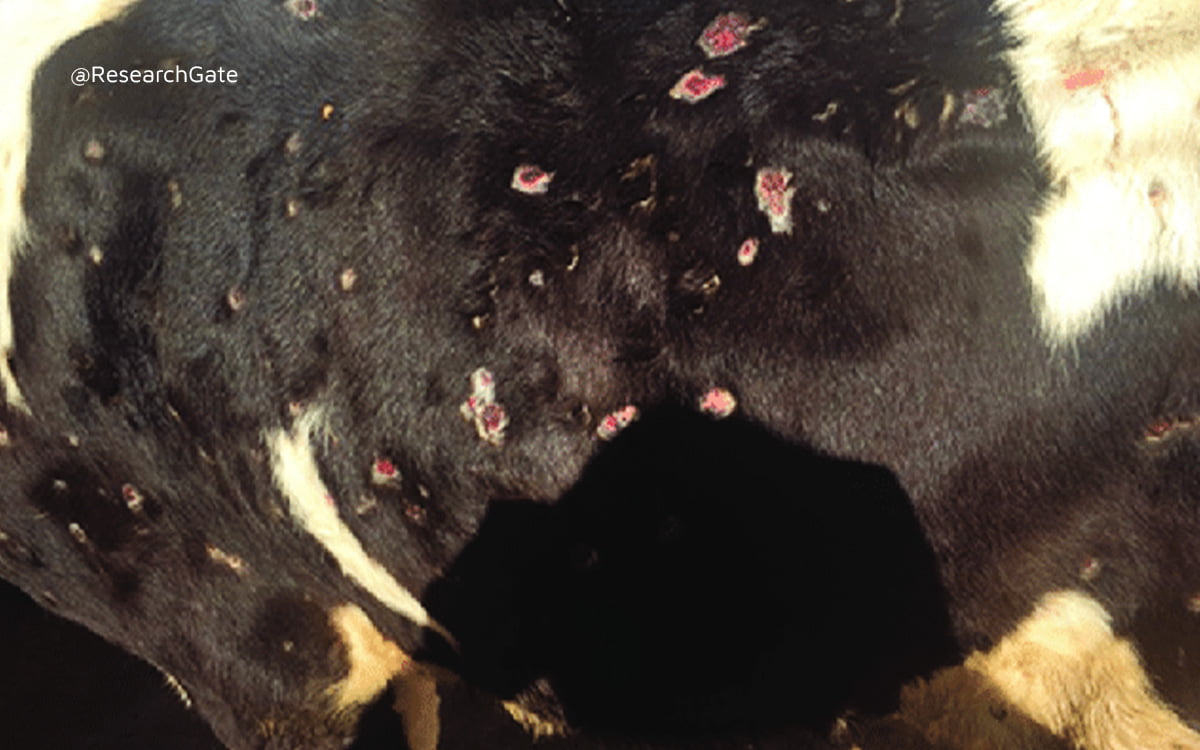
- Skin lumps or nodules, especially on the head, neck, udder, genitals, legs and body.
- Swollen lymph nodes in front of the shoulder and in the flank.
- Lower milk production.
- Reluctance to move or swollen legs.
- Scabs, open sores, drooling, or discharge from the eyes or nose.
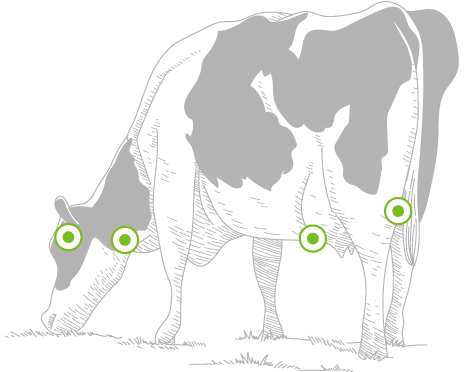
Not every infected cow shows all the signs. Sometimes calves or adults don’t look very sick, while others are obviously uncomfortable. Occasionally, you’ll see additional symptoms like abortions in pregnant animals, mastitis, pneumonia, weight loss, or temporary infertility in cows and bulls, mostly in severe cases.
How Vets Confirm It
Most vets spot lumpy skin disease by its nodules and other symptoms. If unsure, laboratory tests like PCR (a genetic test) confirm the diagnosis. This is necessary because other conditions can look similar, such as pseudo-lumpy skin disease, pseudocowpox on the teats, insect bites, ringworm, mange, or photosensitization.
Not sure what you are looking at? Scabs on cattle have many causes. My article 8 Common Causes of Scabs on Cows covers the common ones.
What Is the Best Medicine for Lumpy Skin Disease?
I’m not a veterinarian. According to animal health experts, there’s no specific medicine or antiviral treatment that cures lumpy skin disease in cattle. This can feel discouraging. The best approach is supportive care: managing symptoms, reducing stress, and preventing secondary complications, like bacterial infections or dehydration.

Do Antibiotics Work for Lumpy Skin Disease?
Antibiotics cannot cure the virus itself. Your veterinarian may prescribe them to prevent or treat secondary bacterial infections, such as pneumonia, mastitis or infected sores, which are what make many LSD cases worse. There is no single best antibiotic for lumpy skin disease. The vet picks the drug and the dose for the infection they find and for your animal.
When treating an animal, work closely with your local veterinarian, as they know your regional regulations and approved drugs. Every drug also carries a milk and meat withdrawal time that you must follow.
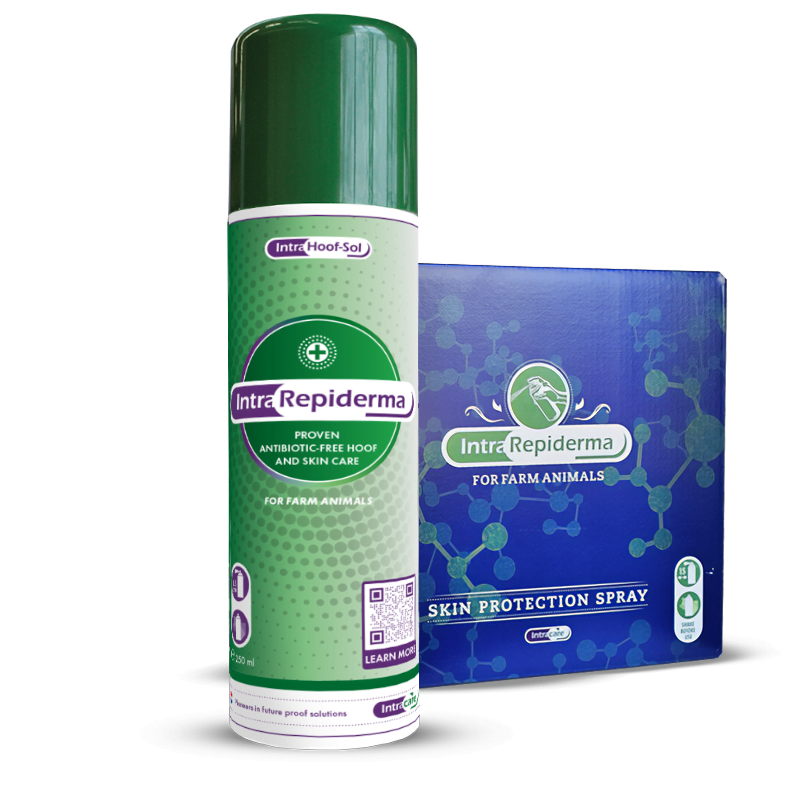
Repiderma
Repiderma is a topical skin care product that supports hoof health, prevents cracks, and protects against minor skin damage between trimmings.
Visit StoreHow to Treat Lumpy Skin Disease in Cattle
The strategy for cattle with lumpy skin disease is straightforward: support the animal, protect the skin, and stop secondary infections.
Supportive Care and Infection Prevention
- Wound care: keep the sores clean and use an antiseptic spray or ointment that also keeps flies away. Your vet can recommend one. Between treatments, a skin care spray such as Intra Repiderma helps keep healthy skin around the area in good condition.
- Antibiotics: only if prescribed by your veterinarian, to prevent or treat secondary bacterial infections.
- Painkillers and anti-inflammatories (NSAIDs): help animals stay comfortable, bring the fever down and keep them eating.
- Fly repellents and hygiene: treat animals and the barn to reduce fly numbers and keep wounds clean.
- Vitamins and fluids: a vet may recommend supplements or fluids for weakened cattle.
Caring for a Cow With Lumpy Skin Disease at Home
Most of the daily nursing happens on the farm. Animal health advisories from India’s 2022 outbreak, such as this one from GADVASU, and the WOAH guidance come down to the same steps:
- Separate the sick animal from the rest of the herd, and stop moving cattle on or off the farm.
- Have the vet come to you. Don’t take the animal to a clinic, market or show.
- Control flies, mosquitoes and ticks on the animals and around the barn.
- Keep her eating and drinking: fresh water, soft feed, green fodder, shade and dry bedding.
- Keep the skin sores clean and protected from flies.
- Give fever, pain and antibiotic drugs only as your vet prescribes.
Herbal and home remedies are widely shared online. They may make a cow more comfortable, but none of them has been shown to cure lumpy skin disease, so don’t let them delay a vet visit.
Most infected cattle survive. Death rates are generally 1 to 5% according to the World Organisation for Animal Health (WOAH), but calves and herds meeting the virus for the first time can lose more. The bigger cost is usually lost milk, weight loss, abortions, infertility and damaged hides.
Successful Case Reports on Lumpy Skin Disease Treatment in Cattle
Two published case reports show what supportive care looks like in practice.
A Calf in India
A vet in West Bengal treated a four-month-old calf with LSD using an antibiotic, an anti-inflammatory, an antihistamine, multivitamins, antiseptic wound washes and a fly repellent. The fever came down within two days, and the calf recovered completely within about three weeks.
A Cow in Ethiopia
A local breed cow was brought to a veterinary clinic near Wolaita Sodo, Ethiopia, with a sudden eruption of small to large firm nodules all over its body, especially on the neck and legs. It had a high temperature (40.4°C), was lethargic, had swelling in the limbs, and had enlarged lymph nodes near the front and back legs. Based on these signs, the owner’s account and news of similar cases nearby, the veterinarian made a clinical diagnosis of lumpy skin disease. Look-alike conditions such as pseudo-LSD, insect bites and allergies were ruled out by the appearance and grouping of the nodules. No lab test was done.
The cow received an injectable antibiotic (oxytetracycline) for five days and an anti-inflammatory (dexamethasone) for three days. The owner was advised to keep the sick cow isolated and nurse it until it was fully recovered. Within two days, the fever came down and the cow was eating again. The nodules healed over about a month, leaving some scars, and the cow was later sold.
Don’t copy doses from case reports. The antibiotic dose printed in the Ethiopian paper is many times higher than the label dose for cattle, most likely a typing error. Your veterinarian sets the drug and the dose for your animal.
In both cases, timely supportive care with antibiotics for secondary infection and anti-inflammatories reduced losses and gave these animals a chance to recover.
Prevention of Lumpy Skin Disease
Prevention is your best defense. While I’m not a lumpy skin disease expert (that’s the role of your local veterinarian), I want to emphasize the importance of a team approach for herd health. As a professional trimmer, I recommend farmers regularly gather everyone involved in the herd’s care: veterinarians, nutritionists, hoof trimmers, and the farm manager. Collaborating ensures all angles are covered, and your cattle get the best protection and support.

When tracking and preventing diseases like lumpy skin disease, your veterinarian should oversee diagnosis and treatment, and provide up-to-date information. Hoof trimmers, nutritionists, and other consultants should work closely under their guidance to keep your herd healthy.
When clear protocols are in place and the herd care team collaborates, key prevention strategies against lumpy skin disease include:
- Vaccination: In regions with lumpy skin disease, regular vaccination is the most effective preventive tool. North American cattle are not currently vaccinated against LSD, but this policy may change if the disease appears locally.
- Biosecurity: Maintain strict biosecurity protocols on the farm, including quarantining new animals, using a clean needle for every animal, routinely disinfecting equipment and facilities, and controlling insect populations like flies and mosquitoes.
- Isolation: Animals showing disease signs should be promptly isolated from the herd to prevent outbreaks.
- Outbreak control: During outbreaks, authorities use strict movement controls and quarantine. In countries that are free of the disease, including Canada, the plan is to remove infected and exposed animals to stop it from becoming established.
In Canada or the United States? Report It Right Away
Lumpy skin disease has never been found in Canada, the United States or Mexico, and it is a reportable disease in both Canada and the United States. If you see nodules plus fever in your cattle, don’t treat and wait.
- Canada: call your veterinarian and the nearest CFIA district veterinarian immediately.
- United States: call your veterinarian and your state veterinarian, or USDA APHIS, immediately.
- Don’t move any cattle on or off the farm until the authorities tell you it is safe.
Final Thoughts
There’s no drug that kills the lumpy skin disease virus. The best results are achieved through early diagnosis, supportive skin care, infection prevention, effective insect control, and close monitoring of the herd.
I’m committed to helping you care for your cattle. Stay informed, maintain strong connections with your veterinarians, and reach out at any hint of trouble. For more hoof and herd health tips, sign up for the Diamond Hoof Care “Hoof Clips” email. I share practical farm stories for hands-on folks like you!
Frequently Asked Questions
Can lumpy skin disease in cattle be treated at home?
Much of the care happens at home: isolate the sick animal, control flies, keep sores clean, and give fresh water and soft feed. Fever, pain and antibiotic drugs should come from your veterinarian. As a hoof trimming professional who sees various problems, I say always involve a vet if you see something unfamiliar or when your cattle aren’t recovering. In Canada and the United States, a suspected case must be reported first.
Can lumpy skin disease be cured?
There is no drug that kills the virus, but most cattle recover on their own with good supportive care. The immune system clears the infection while the vet controls fever, pain and secondary infections. Skin nodules can take weeks to months to heal and may leave scars.
How long does it take cattle to recover from lumpy skin disease?
Mild cases recover in a few weeks. Severe cases, including those with secondary infections, take longer. In the Indian and Ethiopian case reports, the animals’ fever came down within two days, the calf recovered in about three weeks, and the cow’s nodules took about a month to heal.
Is milk from a cow with lumpy skin disease safe to drink?
Lumpy skin disease does not infect people, and WOAH says humans are not at risk. During India’s 2022 outbreak, veterinary authorities advised that milk is safe after boiling or pasteurization. Milk from a cow treated with antibiotics or other drugs must still be withheld for the withdrawal time on the label.
What is the best antibiotic for lumpy skin disease?
There isn’t one, because antibiotics don’t act on the virus. A veterinarian may prescribe an antibiotic, such as oxytetracycline, to treat or prevent secondary bacterial infections. They choose the drug and the dose for your animal.