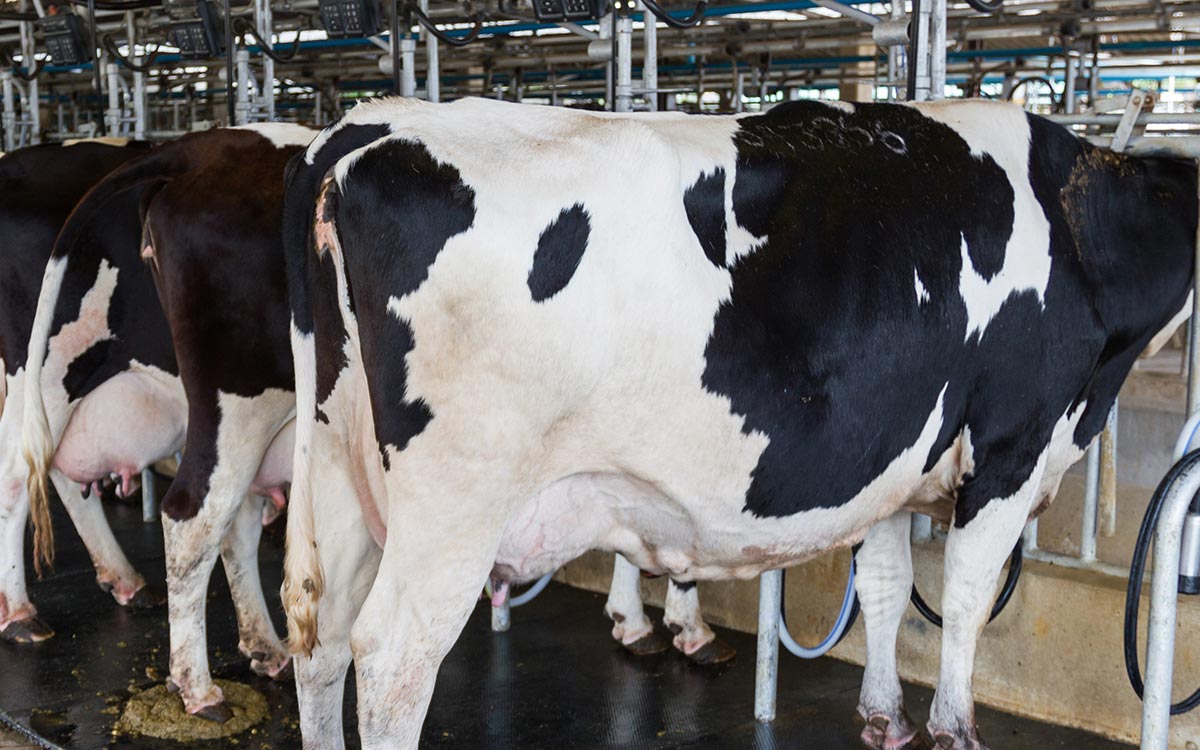
When a farmer discovers patches of peeling skin on their cattle, panic often sets in. I’ve seen this worry firsthand during my visits as a hoof trimmer across countless farms. That peeling skin signals something’s wrong and requires quick action. However, with several potential causes, identifying the correct one is crucial for effective treatment.
Cow skin peels primarily from photosensitization (sun sensitivity), ringworm infections, facial eczema, lumpy skin disease, frostbite, or horn fly damage. Quick identification and appropriate treatment are essential to prevent spreading and complications.
After observing this issue on many farms, I conducted research to help my farmers find solutions. I discovered conditions beyond photosensitization that cause cow skin to peel, each requiring a specific treatment. Let me share what I’ve learned about the six main causes and steps to address them.
Why Does Cow Skin Peel Off?
When you see patches of peeling skin on your cattle, quickly identify the cause to stop it from spreading. Here are the six main causes I’ve encountered:
1. Photosensitization: The Most Common Cause
Photosensitization renders cows abnormally sensitive to sunlight, leading to severe sunburn and skin damage. The affected skin becomes red and inflamed, then blisters, and eventually peels off.
This occurs because a substance in the cow’s system reacts with sunlight, damaging the skin cells. If you notice this, get your cows into the shade immediately.

Photosensitization usually occurs in one of these ways:
- When cows eat bishop’s weed or alfalfa silage.
- Due to a pigment production issue in the cow’s body.
- Due to liver damage that inhibits chlorophyll breakdown.
- Sometimes, we can’t identify the exact cause.
Damage usually appears on areas with white or sparse hair, especially on the back, udder, and face.
2. Ringworm: A Common Fungal Issue
Ringworm isn’t a worm. It’s a fungal infection that appears as circular, crusty patches where hair falls out. As it progresses, the affected skin peels and flakes.
Young animals are most likely to get ringworm if they’re:
- Not receiving adequate nutrition.
- Already sick with something else.
- Living in humid, poorly ventilated barns.

I’ve seen ringworm in young stock in barns with poor airflow and lighting. The circular patches start on the head and neck, then spread outward.
Ringworm can spread to humans, so it is essential to wear gloves when handling affected animals. The best approach is to vaccinate and regularly clean cow shelters. Early detection makes control simpler.

3. Facial Eczema: A Significant Issue
Facial eczema occurs when cows eat dead grass with a fungus that produces a toxin harmful to the liver.
When the liver is damaged, it can’t process chlorophyll properly. This leads to a buildup of blood and skin that reacts with sunlight, causing damage to the skin.
Signs to observe include:
- Cows are seeking shade and appearing uneasy.
- Red, swollen skin (especially on lighter areas).
- Skin crusting and peeling.
- Facial swelling.
- Yellow tinge to the gums and eyes.
Untreated, large skin patches will crack, peel, and fall off, leaving painful open sores.
4. Lumpy Skin Disease: A Viral Disease
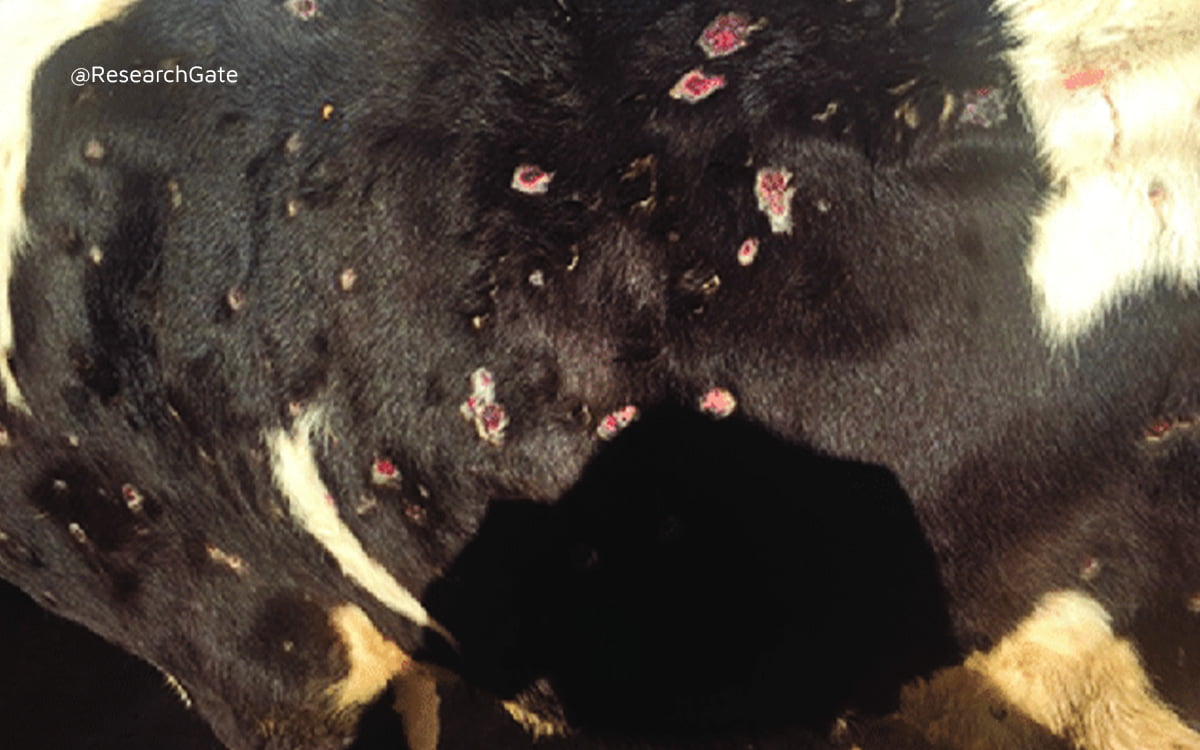
Lumpy skin disease causes hard, raised lumps to form on a cow’s body. As these lumps die, they can peel off, leaving open wounds.
This disease primarily spreads through the bites of mosquitoes, flies, and ticks, as well as through contaminated equipment such as needles and milking machines.
There’s a milder version called pseudo-lumpy skin disease that only affects the outer skin layer. It takes about two weeks to heal after the affected skin peels off and forms a scab.

5. Teat Frostbite: A Winter Problem
In cold weather, cow teats can get frostbite. The damaged skin swells, cracks, and in severe cases, peels off completely.
Recovery can take up to two months, and milking too soon can exacerbate the damage. That’s why prevention is important.
You can prevent teat frostbite by:
- Using teat dips with skin conditioners and ensuring teats are dry afterward.
- Fixing barn walls and seals before winter to retain warm air.
- Installing curtains to block cold drafts.
- Not putting freshly dried-off cows outside in extremely cold weather.
- Watching nursing cows, as wet teats freeze more easily.

6. Horn Flies: More Than Just a Nuisance
Horn flies do more than irritate cattle. These pests feed on cows by piercing the skin and sucking blood 30-40 times daily, causing serious skin damage over time.
While feeding, these flies can spread a parasite that causes itchy sores. Cows scratch these sores, damaging their skin and causing it to peel.
Good fly control means regularly cleaning bedding and manure areas to disrupt their breeding cycle.
Treating Cow Skin Problems
Quick action is essential for treating cow skin peeling problems. Below are step-by-step treatment approaches for each of the six conditions, based on proven methods used across many farms. Each heading outlines specific actions for that condition.
It’s best to get a proper diagnosis when you’re unsure what you’re dealing with, as each skin condition requires its own specific approach. Your veterinarian is your best resource in this matter. While waiting for professional advice, these general steps can help in many situations:
- Move affected animals into shade or suitable indoor housing.
- Separate them from the herd to prevent spread.
- Take clear photos of the affected areas to share with your veterinarian.
- Document when you first noticed symptoms and any changes in the animal.
For Photosensitization:
The most urgent condition to address is this, as continued sun exposure will worsen it.
- Immediate shade protection: Move affected animals into a barn or use tarps for shade. Keep them out of direct sunlight until they are fully healed.
- Identify the source: Check your pasture for photosensitizing plants, such as St. John’s wort, buckwheat, or alfalfa. If found, remove animals from that pasture right away.
- Liver function support: Since liver damage often causes photosensitization, discuss liver support supplements with your veterinarian.
- Skin treatment: Apply Repiderma spray to affected areas twice daily. It contains copper and zinc compounds that repair damaged skin and protect against infections. Many farmers notice improvement in 7-10 days with consistent application.
- Pain management: If the animal appears distressed, consult your veterinarian about suitable pain relief options.
For Ringworm:
Ringworm spreads quickly, so containment is essential alongside treatment:
- Isolate affected animals: House them separately with dedicated feeding equipment to prevent contamination.
- Targeted treatment: Apply antifungal treatment directly to the ringworm patches. Your veterinarian may prescribe medicated washes for persistent cases.
- Environmental cleaning: Disinfect all areas where affected animals have been. Pay attention to posts or surfaces where they rub.
- Ventilation improvements: Enhance air circulation in barns, as good airflow reduces the spread of fungal growth.
Skin recovery: After controlling the infection, apply Repiderma to improve the damaged skin and restore the coat. A twice-daily application accelerates recovery.

For Facial Eczema:
Facial eczema requires a comprehensive approach:
- Remove cattle from affected pasture: The facial eczema fungus grows on dead grass in warm, humid conditions. Move cattle to fresh pasture without delay.
- Liver support treatment: Your vet may recommend treatments to support liver function, which is essential for recovery.
- Shade management: Provide complete shade protection, as photosensitivity from liver damage can persist for weeks even after the source is removed.
- Skin treatment: Consult your veterinarian for appropriate medication for the affected skin. Once treatment begins, Repiderma can be applied as a supportive product to promote healthy skin and aid in healing.
- Long-term prevention: Consult with your veterinarian and nutritionist to discuss strategies tailored to your herd’s specific needs and your farm’s unique conditions.
For Lumpy Skin Disease:
Lumpy skin disease is a serious condition requiring official intervention:
- Notify authorities immediately: This is a reportable disease in most countries. Your local animal health officials will provide specific protocols for your area.
- Strict isolation: Establish a quarantine zone with biosecurity measures to prevent the spread through direct contact or the movement of insects.
- Supportive care: Provide soft bedding, high-quality feed, and plenty of fresh water to strengthen the immune system.
- Nodule management: Gently clean the affected areas with a diluted antiseptic solution (as recommended by your veterinarian) when nodules rupture or fall off.
- Wound care: Follow your veterinarian’s recommendations for treatments as nodules heal. Once primary treatment is underway, Repiderma can be applied to promote skin health.
- Insect control: Since the disease spreads primarily through insects, implement effective fly control measures throughout your property.
For Frostbite:
Frostbitten teats need gentle care and patience:
- Gentle warming: Never use hot water or direct heat. Instead, slowly warm the affected teats using room-temperature towels. Quick warming can cause additional tissue damage.
- Protective barrier: Once teats are warmed, apply a layer of winter-formulated udder balm. This creates a barrier against further cold exposure.
- Modified milking routine: If milking must continue, use the lowest vacuum setting and milk affected cows last to reduce stress on damaged tissue.
- Healing support: Once primary healing begins, apply Repiderma to accelerate tissue repair. Many farmers report significant improvement within days of using it on recovering frostbite.
- Prevention: Before next winter, winterize your facilities and consider using barrier creams during extreme cold snaps.
For Horn Fly Issues:
Horn flies require a comprehensive management approach:
- Immediate relief: For severe infestations, consult your vet about approved insecticides for direct application to cattle.
- Environmental control: Break the breeding cycle by frequently cleaning manure areas, especially during warm months. Horn flies breed in fresh cattle manure.
- Long-term protection: Consider fly tags, back rubbers, or feed-through larvicides as part of your seasonal fly management plan.
- Skin recovery: For damaged areas, clean gently and apply Repiderma to soothe irritation and promote healing. Producers often see improvement within days after this treatment.
- Biological controls: Some farms successfully introduce beneficial insects or birds that prey on flies or their larvae.
Common Questions About Cow Skin Problems
What is cow patch skin condition?
Farmers use the term “cow patch skin condition” to refer to any condition causing patchy hair loss or skin lesions, like ringworm, photosensitization, or others. To know for certain, you’ll need a vet.
Can humans catch anything from a cow with peeling skin?
Yes, some conditions can spread to humans. The most common is ringworm, which can transfer from cows to people. When working with cows that have skin problems, always wear gloves, wash your hands thoroughly afterward, and change and wash your clothes after being around them. Most other conditions, like photosensitization and frostbite, can’t spread to humans.
How quickly should I treat a cow with peeling skin?
The sooner, the better. Early treatment prevents spread to other animals, secondary infections, pain, discomfort, and production losses. Contact your veterinarian as soon as you first notice any unusual skin conditions.
Final Reflections
It is essential to monitor your cattle’s skin health for their comfort and your farm’s financial well-being. Regular checkups help identify problems early.
I work with farmers who have had good results using Repiderma, a skin optimizer that promotes healthy skin and guards against infection.
Understanding common causes of peeling skin and how to respond can save you time, money, and keep your herd healthier.