

A cow hoof abscess may seem minor, but it can be costly to your operation. When cattle develop these painful infections, milk production drops, fertility issues appear, and your bottom line suffers. For a typical 100-cow dairy, even if 5% of the cows are dealing with abscesses, it can mean thousands in lost revenue annually.
Cows get hoof abscesses when bacteria get trapped inside the claw. The usual way in is a crack in the white line, where the wall meets the sole, packed with dirt or a small stone. A sole punctured by a stone or nail, or worn or trimmed too thin, lets infection in the same way. Most abscesses form in the outer claw of a hind foot. The fix is to open the horn so the pus drains and put a block on the healthy claw.
In a previous article, I shared an example that happened to my client Josh. In that case, one cow’s untreated lameness cost an estimated $37,200 over four years. These are significant numbers when lameness isn’t controlled effectively.
What’s worse, these lameness problems can go unnoticed until they become severe. Let’s examine their causes and how to tackle them without breaking the bank.
What Causes Hoof Abscesses in Cattle?
If you’ve struggled with lameness in your herd, you know hoof abscesses rarely happen without a reason. The symptoms are clear, but the underlying causes are often tied to everyday challenges in the herd’s environment and care routine. Understanding these factors is the first step toward preventing future issues and minimizing losses.
I’ll share the key factors that increase infection risk and expose your operation to unnecessary costs.
White Line Separation
The white line is the seam where the hoof wall meets the sole, and it is the weakest part of the claw. Bruising, twisting and turning on hard concrete, and long hours of standing put strain on that seam until it separates. Dirt, manure and small stones push into the gap, and once the crack reaches the sensitive tissue underneath, bacteria get trapped and an abscess forms. NADIS reports that at least 80% of white line lameness shows up in the outer claw of the hind feet, mostly toward the heel. You can read more on our white line disease page.
Rough Terrain
When cattle walk on sharp rocks, gravel, or uneven ground, small sole punctures can allow bacteria entry. These wounds may not be immediately visible, but they’re opportunities for infection. In dairy farms with concrete floors, I don’t see this as a big problem, but it’s mainly beef farms where rough paths or fields cause problems.
Many ranchers I spoke with have reduced abscess issues by creating cattle lanes with smoother gravel, dirt roads, or rubber matting in high-traffic areas. The initial investment pays off quickly in lower treatment costs. In my blog post about Foreign Object Penetrating the Hoof: Detection, Risks, Prevention, and Treatment, I shared more about this factor.
Wet or Dirty Conditions
Constant moisture harms healthy hooves. Wet conditions soften the hoof wall and sole, making them more susceptible to injury and bacterial invasion. Standing in manure or mud increases the risk, as it creates a breeding ground for harmful bacteria.
Improper Trimming
This is a significant issue. Incorrectly trimmed hooves, whether too short (read ‘too thin’) or unevenly, create pressure points that lead to bruising and potential abscesses. Overgrown hooves aren’t much better, especially in beef herds or young stock: they crack, break or split, creating pathways for infection.
Never underestimate a skilled hoof trimmer who understands bovine anatomy. Our cow hoof trimming guide shows the proper angles and techniques to maintain healthy hooves.

Early Signs of Foot Abscess in Cattle
Early detection of abscesses is crucial for your cattle. It often determines whether the fix is quick and simple or involves long treatments and frustrations. Here are some signs:
- Reluctance to bear weight on a limb is often the first sign.
- Swelling above the hoof or around the coronary band (the hairline area)
- Increased heat in the affected foot
- Reduced feed intake or milk production
- Visible pus or unpleasant odor from the hoof
When checking your herd, pay attention to animals that lag behind or stand with an arched back, as these can indicate foot pain. The three-legged cow is in an advanced stage. The power word is ‘early’: time is crucial.
An abscess that is missed keeps looking for a way out. It either breaks through at the coronary band or runs under the sole and bursts out at the back of the heel, and by then much more horn has to be removed to clean it up.
What Is the Cavity in a Cow’s Hoof?
Farmers often ask about the hole they see in a claw after the trimmer has been. That cavity is usually the drainage opening. To treat an abscess, the trimmer cuts away the horn over the pus so it can run out, and removes any loose horn that the infection has lifted. What is left is a hollow in the sole or wall, sometimes deep enough to fit a fingertip.
That hollow is meant to be there. It lets the infection keep draining while new horn grows in underneath. A block on the healthy partner claw keeps weight off it, and the trimmer often tidies the loose edges again within a few weeks.
A different kind of cavity is a pocket in the white line packed with dirt, manure or a small stone. Have that one opened and cleaned out, because it is exactly how many abscesses start.

Real-Life Example: The Importance of Taking Action
Last spring, I visited an Ontario dairy where the owner noticed one of his top producers favoring her rear left foot. We investigated and found a developing abscess from a small puncture wound.
Early detection made treatment straightforward. The treatment involved proper drainage, a block on the healthy claw, and Repiderma spray on the trimmed area. The cow’s production never dropped and she was back to normal walking within a couple of days.
Compare this to another farm where a similar issue went unnoticed for two weeks. By the time they called me, the infection had spread up the leg, requiring a veterinarian visit and extensive antibiotic treatment. This cow’s production never fully recovered, and she lost a lot of weight.
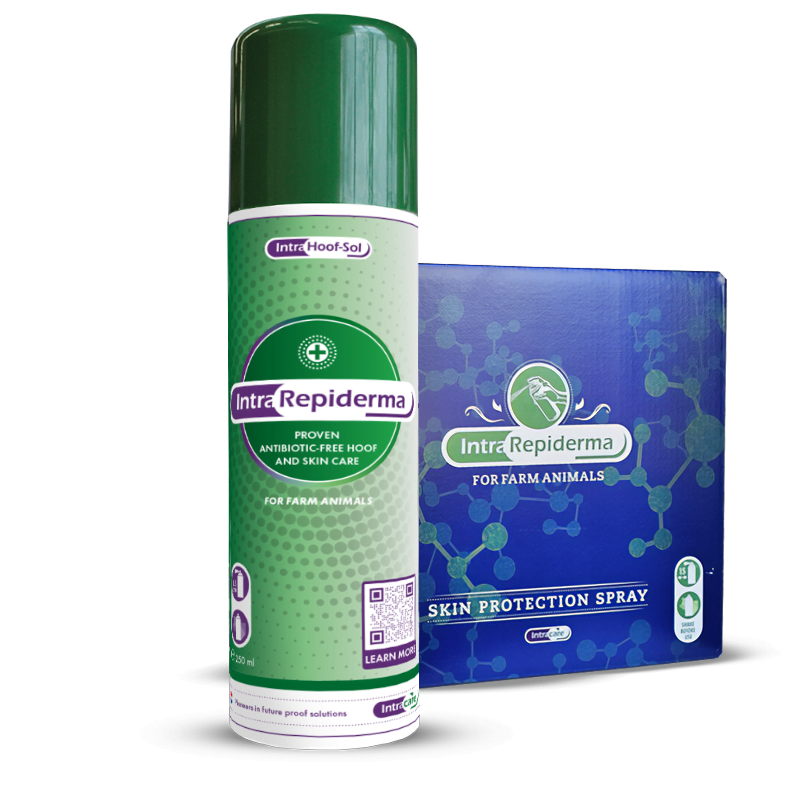
Repiderma
Repiderma is a topical skin care product that promotes healthy hooves and skin and protects against minor skin damage between trimmings.
Visit StoreHow to Treat Hoof Abscesses
Quickly treating hoof abscesses is essential to relieving pain and restoring the cow’s mobility to normal. A prompt response prevents bigger problems and keeps recovery straightforward.
Isolate the Cow
When you spot lameness, immediately move the cow to a clean, dry area with soft bedding. This prevents further contamination and reduces stress on the affected hoof. A dedicated hospital pen with deep bedding is suitable for recovery and follow-ups.
Consult a Veterinarian or Professional Trimmer
For significant abscesses, getting professional help ensures proper diagnosis and treatment. Many farmers try to save money by handling it themselves, only to end up with a more costly problem later.
Your veterinarian or hoof trimmer can help diagnose and treat hoof abscesses. They can safely handle the animal’s foot, locate the abscess, and drain the infection without harming healthy areas. They can also advise on follow-up care based on the case’s severity, helping the cow heal and return to normal.
Administer Treatment
Proper drainage is critical; the abscess needs an exit path. After thoroughly cleaning the area:
- Remove the horn to create adequate drainage.
- Whenever possible, block the healthy claw to raise the infected side.
- Use Repiderma spray on the trimmed area; it promotes healthy hooves and skin.
- Follow your vet’s antibiotic and pain relief recommendations, above all for deep tissue infections.
Contrary to popular belief, wrapping hooves for an abscess often does more harm than good, as it traps moisture and infection fluid. An infection needs to drain, and a bandage blocks this drain. If you must wrap to hold medication in place, ensure the wrap isn’t too tight around a swollen foot and remove it within 24 hours. Our post on when a cow needs a bandage on her foot covers the details.
If the cow is not clearly walking better within a day or two, have the claw looked at again. The drainage hole may be too small or blocked, and it needs to be opened further.
Explore Additional Solutions
Some farmers have had success with Epsom salt soaks for stubborn abscesses. Using a specialized hoof boot with warm water and Epsom salts twice daily for 3 to 4 days can help draw out infection. It takes labor and a suitable chute to apply the hoof boot.
Any treatment must address the root cause. Treating symptoms without fixing environmental issues ensures the problem will return. For what to expect during recovery, read will a hoof abscess heal on its own.
How to Prevent Hoof Abscesses and Hoof Infections
Preventing hoof infections is more cost-effective and ensures healthier, more productive cattle. Adopt these measures to safeguard your herd:
- Maintain dry, clean walking surfaces and eliminate areas where manure accumulates.
- Establish a regular trimming schedule, typically twice yearly for most cows, or whatever frequency meets your herd’s needs. Our Why, When, and How Trimming Cattle blog post will help you determine the needs of your herd.
- Use footbaths strategically. Our Intra protocol sets out a footbath routine for Digital Dermatitis and other infections of the skin around the hoof.
- Ensure balanced nutrition with adequate trace minerals, especially zinc and biotin. NADIS notes that biotin supplements reduce white line lameness, but the benefit only shows after about four months of feeding them. Consult your herd’s nutritionist or local feed store for guidance.
- Address facility design issues that create excessive standing time or uncomfortable flooring surfaces and pathways. Calm cow flow matters too: pushing, twisting and turning in the holding area and at the parlor exit are hard on the white line.
The most successful operations I meet at trade shows have a written hoof health protocol that includes early diagnosis and treatment steps. The ABC chart for diagnosing hoof care issues is a great tool for your team. Work with your vet to create and implement a consistent plan.

Cow Hoof Abscess FAQs
What is the best antibiotic for cow hoof abscesses?
I’m not a veterinarian, so it’s outside of my professional scope to advise you on antibiotic treatment recommendations. As a hoof trimmer, I can suggest treatment tools such as a sharp hoof knife for drainage, hoof blocks for support, and a skin care product like Repiderma. Consult your veterinarian for the appropriate antibiotic and withdrawal time.
Do hoof abscesses cause pain in cows?
Absolutely. Cattle often hide discomfort, so by the time you notice obvious lameness, they’re in significant pain. A sore cow eats, rests and moves differently well before she visibly limps. Pain management should be part of your treatment protocol, so ask your veterinarian about it.
What happens if you don’t treat a hoof abscess?
Untreated abscesses rarely resolve on their own. As the infection spreads to deeper tissues, they worsen, potentially causing permanent damage to the corium (the hoof-producing tissue), joint infection or tendon damage, systemic infection in severe cases, significant weight loss and production declines, and premature culling of productive animals. The most economical approach is early intervention, which also prevents suffering in your cattle. Penn State Extension’s article “Lameness: It’s Costing You” shows how far the cost of lameness goes beyond cow comfort.
How do cows get rocks in their hooves?
Small stones and grit press into the white line, the seam between the hoof wall and the sole, once that seam has started to separate. Walking on loose stones and rough lanes, and twisting on hard surfaces, open the gap further. A stone that sits there makes the lameness worse and can push dirt and bacteria deeper, which is how many abscesses start.
Which claw gets hoof abscesses most often?
The outer claw of the hind feet. It carries the most weight and takes the most twisting, and NADIS reports that at least 80% of white line lameness is found there, mostly toward the heel. Check that claw first when a cow is lame behind.
Will a hoof abscess heal on its own?
Rarely, and not without pain. The pus builds pressure until it breaks out at the coronary band or the heel, and the cow suffers for days or weeks before that happens. Opening the claw to drain it and blocking the healthy claw gives the quickest relief.
Conclusion: Safeguarding Your Investment
Healthy cattle with healthy hooves are fundamental to profitable farming. You can reduce lameness in your herd by understanding the causes of abscesses and implementing effective prevention strategies.
Consistency is essential. The most successful farms tackle hoof health systematically rather than reacting to problems.
Need guidance on protecting your herd’s hoof health? Contact us through our contact page, and we’ll create a tailored protocol with you to address your farm’s specific needs and challenges.