
Table of Contents
A lame cow is not automatic evidence of a foreign object. Only a small fraction of the lameness cases I trim turn out to be a sharp object in the foot. The rest are sole ulcers, white line problems, and other conditions that have nothing to do with something the cow stepped on. When a penetration does happen, the signs are usually visible from the outside. Knowing what to look for, and when to hand the case to a vet, keeps a small problem from turning into a big one.
When a Foreign Object Penetrates the Hoof
A foreign object penetration is any sharp or hard item that pushes past the outer horn into the tissue underneath, or wraps around the foot and starts cutting in. The penetration can be in the horn, or in the skin around the horn. The horn is tough, but it is not invincible, and the skin around the hoof and pastern can be cut or wrapped into just as easily. Once the barrier is broken, bacteria follow the object in, and what started as a simple puncture becomes an infection if it is not opened and cleaned.

The Importance of Hoof Health in Cattle Care
A cow stands on four hooves for most of her life, and when one of them hurts, everything else changes. She walks to the bunk less often. She loses weight. She produces less milk. She misses a breeding date or a heat cycle. She shows up on the culling list months ahead of schedule. A limping cow is a cow that is losing you money. That is the lens worth using for every lameness case, not only the ones with a nail sticking out.
Signs of a Foreign Object in the Hoof
Penetration injuries are different from most lameness because the evidence is usually visible from the outside, before the cow is even in the chute. A foreign object often announces itself the moment you look at the foot.
The catch is that farmers do not always spot the limp early. By the time a penetration is obvious at the chute, the cow has often already been telling you something was wrong in other ways. She loses weight. She produces less milk. She misses a breeding date or a heat cycle. She shows up on the culling list. Any one of those, on a cow you did not expect, is a reason to get her foot in the air and look.
What To Look For
· A nail, piece of wire, or screw sticking out of the sole, wall, or between the claws
· Baler twine wrapped around the hoof, the foot, or the pastern that needs to be removed
· A rubber O-ring sitting tight around the hoof
· An old hoof wrap that was left on too long and is starting to cut into the claw
· A visible cut, hole, or foreign material embedded in the horn
If you pick up the foot and see one of those, you have your diagnosis. You do not need hoof testers to find it. Hoof testers come in for the deeper, older problems. For a visual reference of the common hoof conditions, the Hoof Disease Chart is worth keeping near the chute.

Keeping an Eye Out: Early Signs
Lameness scoring at the parlour, the robot, or during headlock work is the best early-warning system you have. A cow slightly off today is a clear lameness tomorrow, and a penetration caught the same day is easier to handle than one you reach three days later.
On farms where lameness is tracked as part of the daily routine, the penetrations I find are fresh and shallow. Where it is not, the first sign is often a cow already three-legged, or a cow flagged for culling that nobody realized was a hoof case.
Common Risks: Where Do Those Foreign Objects Come From?
Most penetration cases trace back to the same short list of sources, and almost all of them are things the farm already knows about.
Some Usual Suspects
· Rocks tracked in from the yard. Tractors crossing from gravel onto concrete drop stones on the walkway. A small stone can wedge into the white line, the connection between the sole horn and the wall horn, and separate one from the other.
· Screws and fasteners from equipment repair. A stall repair, a gate fix, a feeder rebuild. One screw ends up where a cow eventually stands on it.
· Twine wrapped around the hoof or foot. Baler twine, broken wire, or anything stringy that got mixed into bedding or dragged into the alley can wrap around the claw and start cutting in.
· Twine wrapped around the pastern. Same source as the above, but higher up on the leg, at the joint above the hoof. That twine needs to be removed as soon as it is found. The longer it stays, the deeper it cuts.
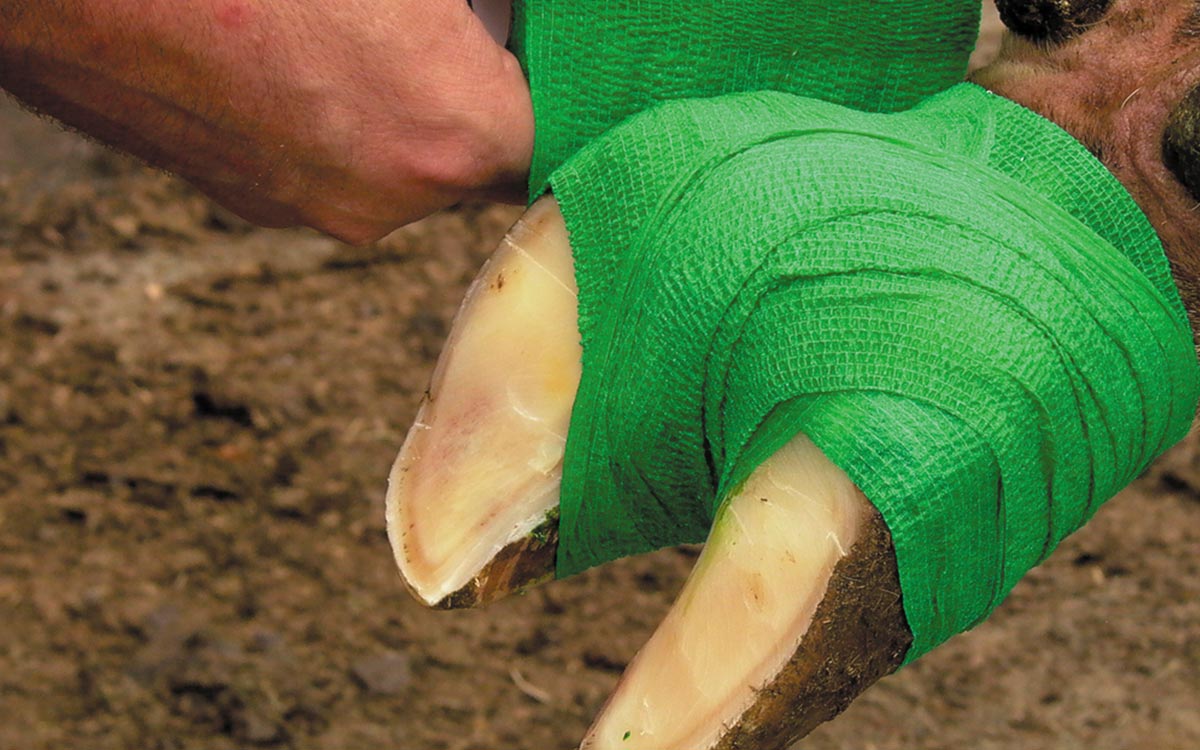
· Old hoof wraps left on too long. A wrap that was supposed to come off at three or four days and did not can start to cut into the claw. In the worst cases, I have seen it come close to amputating the affected claw.
· Blocks that were glued incorrectly, or have become misshapen or misformed with wear. A block glued wrong from the start, or one that has worn so the cow is flipping her weight back and falling off it, does more damage than good. Every block needs regular checking as part of best practice. A misshaped or misformed block is not a follow-up conversation; it needs to be tackled right away and removed.
A daily walk of the yard, alleys, and bedding area catches most of these before they reach a hoof.

Treatment of a Penetrated Hoof
Once you have the cow in the chute and confirmed a foreign object, the work is usually straightforward. The order of operations matters.
Steps to Set Things Right
1. Block the healthy claw first. Before you touch the penetrated claw, glue a block onto the other claw on the same foot. The block’s job starts the moment she walks out. It takes the weight off the sore claw so she can walk on the healthy one. That is what gives her a better chance to heal in a timely manner. Skip this step and you will be fighting her the whole time she is recovering.
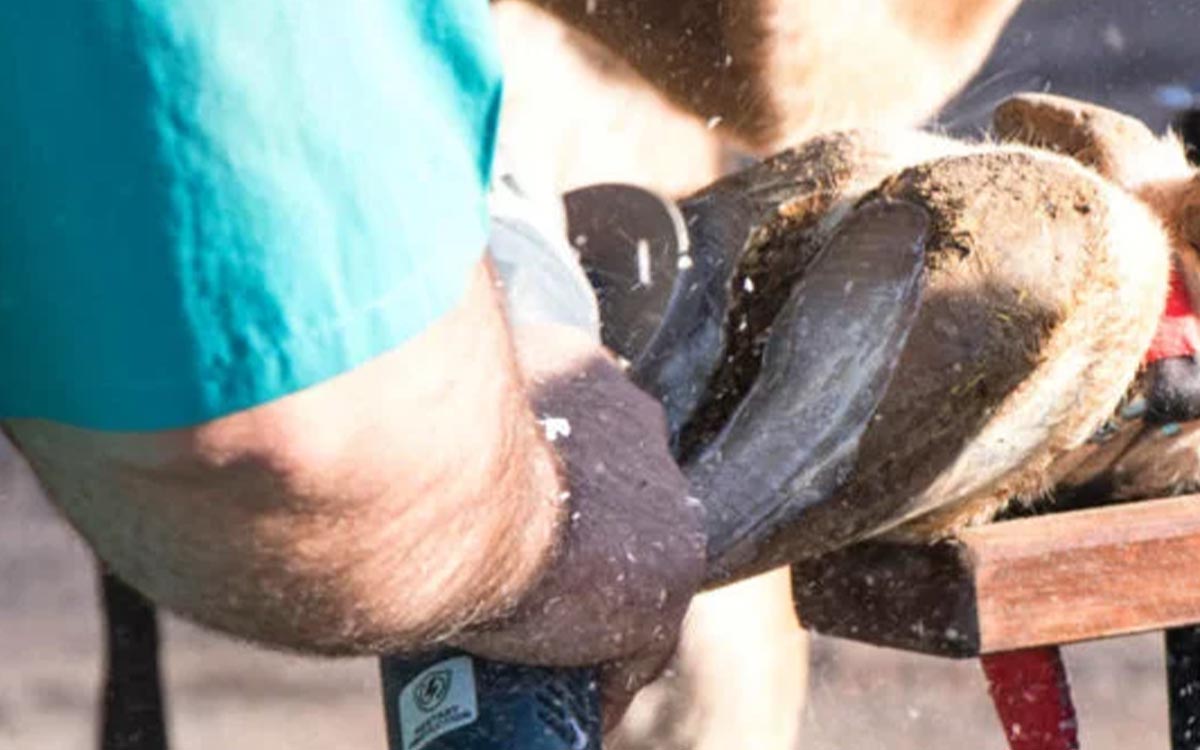
2. Open the wound and clean it. Pare the horn around the penetration, open the track so it can drain, and clean the area. An open track is what the foot needs to heal. A sealed-over puncture is an infection in a closed pocket, and those are the cases that go bad.
3. Expect 3 days for a minor case, up to 3 weeks for a serious one. A fresh, shallow penetration caught the same day often has the cow walking normally within three days, provided the healthy claw is blocked and the wound is opened properly. A deep or older case with infection already established can take up to three weeks, and in some cases longer.
4. Apply Repiderma as part of aftercare. Repiderma promotes healthy hooves and healthy skin. Apply it after the wound has been opened and cleaned, not as a replacement for that work.
When the infection is beyond what opening and cleaning can handle, or the cow is still lame after a few days, call your hoof trimmer or your veterinarian. A hoof trimmer opens and cleans. A vet diagnoses deeper infection and prescribes systemic treatment. Two different jobs, and the handoff is part of doing the work properly.

In Conclusion
A foreign object in the hoof is less common than most farmers assume, but when it happens the answer is usually visible on the outside of the foot. Block the healthy claw first so the weight comes off the sore one. Open and clean the wound so it can drain. Apply Repiderma to promote healthy hooves and healthy skin. Then give the foot the time it needs. Three days for a minor case, longer if infection is already set in.
If you are not sure what you are seeing, talk to your farrier, your hoof trimmer, or your veterinarian. You can also contact us through our contact page, and a professional hoof trimmer can talk you through these steps.
Frequently Asked Questions
How often is lameness caused by a foreign object in the hoof?
Not often. In my own trimming work, only a small fraction of lameness calls turn out to be a foreign object. Sole ulcers and other conditions account for the large majority. A limping cow is not automatic evidence of something stuck in the foot.
Do I need hoof testers to find a foreign object?
Usually no. Foreign objects are almost always visible from the outside of the foot. Hoof testers find the deeper, older problems where there is no visible sign. If you can see a nail, wire, twine, or an embedded object, your diagnosis is done.
How long before a penetrated hoof heals?
Three days is typical after proper treatment, meaning the healthy claw is blocked AND the wound has been opened and cleaned correctly. Without both of those steps, healing is slower. A deep or older case with established infection can take up to three weeks, sometimes longer.
Should I give antibiotics?
Use Repiderma to support the surrounding skin and support the healing. It is the hoof trimmer’s job. Antibiotic decisions belong to the farmer and the veterinarian.
Can a rock really get stuck in a hoof?
Yes. A small rock can wedge into the white line, the connection between sole horn and wall horn, and separate them. It is a common source on dairies where tractors track gravel from the yard onto concrete walkways.

Hoof Clips:
Your Hoof Care Insights
We deliver essential insights, learnings, and observations on hoof care straight from our community of farmers, owners, and trimmers.
Join Hoof Clips