
Every heifer entering your milking herd with overgrown hooves costs you $300-400 in lost production, treatment, and breeding delays. Multiply that across your replacement group, and you’re seeing thousands of dollars in losses from bad feet.
Martin’s fresh heifers struggled in the free stalls. Some hesitated to stand, others crawled forward and got stuck. The pattern was clear: everyone showed hoof overgrowth before entering the milking herd. Problems in the heifer pen followed cows into lactation.
He changed one thing. Six weeks before calving, he started trimming heifers. The stall problems stopped. His heifers transitioned smoothly. Timing is one part of keeping them in sound condition.
Why the Heifer Stage Matters
Heifers aren’t just small cows. Their hooves are still developing. Fix structural problems early, and they generally stay fixed. Wait until after freshening, and you’re treating a cow trying to produce milk while experiencing pain.
What is worse is that lame heifers learn bad habits. They avoid the feed bunk, reduce activity, often become alley layers and move differently. These patterns stick even after the hoof heals.
University of Wisconsin research confirms that movement patterns established during development persist throughout life. Heifers with hoof problems during rearing experience reduced growth rates, delayed breeding, lower first-lactation yields (up to 10% lower), and increased culling risk.
The Cost of Overlooking Heifer Hoof Health
Lame heifers eat less, avoid water, misuse stalls, and stand incorrectly to compensate for pain. The damage compounds.
Preventative trimming costs $20-50 per heifer. Treating lameness after freshening costs $300-400 per case in lost production, treatment, and breeding delays.
According to industry data, raising a replacement heifer costs about $3,000 (CAD). If lameness forces early culling and replacement, you need another $4,000 for a new one. That’s a $7,000 loss per animal.
You’ve invested $3,000 raising each heifer. Early hoof care protects that investment, but hoof problems that follow them into the milking herd destroy it.

Common Hoof Problems in Heifers
Heifers face two main challenges: structural problems and infectious diseases.
Structural problems arise from genetics, irregular trimming, nutrition, or poor flooring. The hoof grows incorrectly, throwing off weight distribution.
Digital Dermatitis is a bacterial infection that attacks the hoof skin, creating painful lesions. When left untreated, it spreads rapidly.
Structural issues need trimming and housing fixes. Infections need treatment and biosecurity. Both require early action.
Long Toes in Heifers: Causes and Prevention
Long toes occur when hooves grow faster than they wear down. This throws off weight distribution, making every step harder and putting extra stress on joints and tendons. These problems affect heifers in the milking herd and reduce performance.
Prevention is straightforward: trim before problems arise, keep floors firm and dry, provide good bedding, ensure adequate bunk space and quality nutrition.

Corkscrew Claws in Dairy Heifers: Causes and Prevention
Corkscrew claw is exactly what it sounds like: the hoof twists inward, creating uneven weight distribution and abnormal wear. Most cases are driven by genetics, but poor nutrition and prolonged exposure to hard surfaces make them worse. Heifers fighting for feed space also put extra strain on their front hooves, raising the risk.
Since this trait is hereditary, don’t breed animals showing it. Prevention starts with selective breeding, regular trimming, and housing that minimizes hoof stress.
Digital Dermatitis in Dairy Heifers: Prevention and Treatment
Digital Dermatitis (DD) affects heifers before they join the milking herd. The Treponema bacteria create raw, red lesions above the heel bulbs. Young heifers are vulnerable, especially in wet, dirty conditions where bacteria flourish.
Stop it before it spreads: regularly inspect hooves, keep bedding clean and dry, and isolate sick animals immediately. Timely treatment prevents chronic infection.

Treatment Essentials
Young heifers lack immune resilience. Catching lesions at the M1 or M2 stage determines whether recovery is rapid or whether they turn into a chronic infection.
The treatment process is straightforward. First, identify the lesion stage using M-scoring. Then, clean the affected area, apply topical treatment to active lesions, isolate the animal to prevent spread, and re-examine within 7-10 days.
We use Intra Hoof-fit Gel because it targets DD bacteria without antibiotics. Treat every lesion, retreat when needed, and don’t let a small spot become your herd’s outbreak.
See our guide, “What Is the Proven Treatment for Digital Dermatitis,” for protocols on lesion identification and treatment variations.
Building Your Heifer DD System
DD management needs regular monitoring and adjustment. Check healing progress, evaluate what works, and adapt based on outcomes.
Our Intra Protocol delivers results across diverse farm conditions, but your system needs to fit your facilities, labour availability, and heifer housing setup.
Start weekly pen walks focused solely on heifer groups.
- Train your team to recognize early lesions for timely treatment before lameness occurs.
- Document findings and track reinfection rates by pen or season. This data indicates where prevention is lacking.
In my experience, treating five heifers early costs less than managing one chronic case.
Method selection matters. In cold climates with temperatures as low as -20°C, footbaths freeze. Individual treatment and spraying work year-round when outdoor housing makes them impractical. Choose methods you can execute reliably every week, regardless of the weather.
Table: Comparison of Hoof Care Strategies for Heifers
Pre-Calving Hoof Health: Preparing Heifers for Success
Trim 6-8 weeks before calving, but only if needed. First, check heifer pens for hoof length, claw balance, and movement. Some have balanced hooves at 8 weeks pre-calving.
Your best prevention tool for hooves that need it is strategic trimming. Based on our field experience and University of Minnesota research, here’s the assessment framework:
- The first assessment at 12-15 months catches genetic issues like corkscrew claw early. This isn’t about trimming every heifer. It’s about identifying animals with structural problems needing intervention and those developing normally.
- Pre-calving evaluation, 6-8 weeks out, determines who needs trimming. Check for overgrown toes, uneven claw length, or imbalanced weight distribution. If hooves look good and are at a healthy length, leave them alone. The timing window allows trimming only those that need it while avoiding extra work on sound ones.
- Regular monitoring during rearing means pen walks every few weeks, not scheduled trimming sessions. You’re watching for problems, not expecting them to occur.
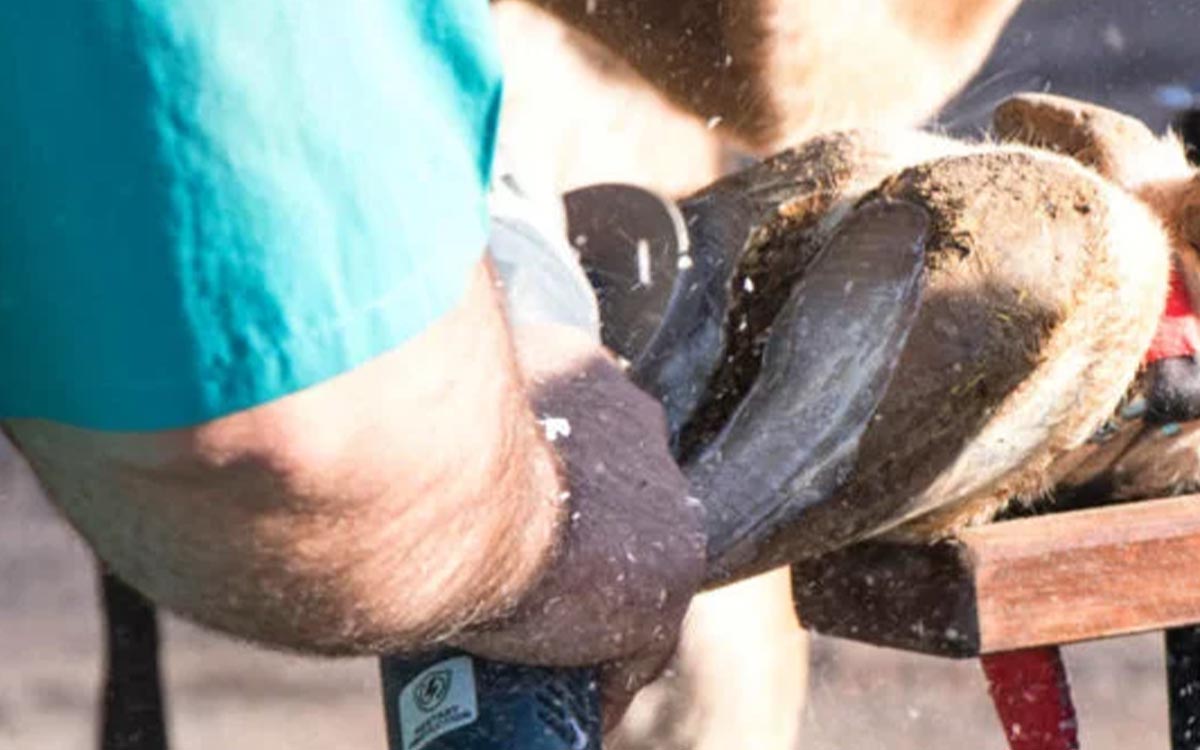
Professional trimming ensures proper weight distribution between claws and corrects developing problems before they worsen. The emphasis belongs on “developing problems.” Trimming healthy hooves on a rigid schedule wastes time and risks creating issues.
Regular Hoof Inspections: Preventing Problems Before They Develop
Routine pen walks are essential for monitoring heifer hoof health and catching issues early. Watch for signs of lameness, uneven weight distribution, or overgrown claws. Treat any showing discomfort immediately to prevent long-term damage.
If overgrowth or imbalances are detected, early trimming is needed. Regular inspections ensure heifers enter lactation strong, stable, and prepared for peak performance.
A Real-Life Lesson: Long Toes and Stall Adjustment in Fresh Heifers
During my monthly visits to Martin’s farm, I noticed a pattern. The incoming heifers all had long toes. They weren’t trimmed until about 100 days after freshening. Overgrown hooves made it harder for them to stand properly, straining their legs and joints.
After discussing the issue, Martin decided to trim the heifers six weeks before calving. The results were immediate. No more crawling forward or getting stuck. Proper hoof balance enabled them to stand up smoothly.
This change solved the problem. Trimming before calving is a small investment that results in better mobility and smoother transitions.

Maintaining a Clean, Dry Environment
Digital dermatitis bacteria thrive in wet, manure-contaminated conditions. Constant moisture weakens hoof horn and creates entry points for infection.
Keep heifer areas clean and dry by ensuring proper drainage, appropriate bedding, regular cleaning, and adequate space to prevent overcrowding. University of Wisconsin research confirms that clean, dry conditions during development reduce the lifetime risk of hoof disease.
Nutrition for Hoof Strength
Nutrition impacts hoof horn quality and growth. Proper nutrition and balanced energy levels are required for optimal hoof development.
Nutritional management requires specialized expertise. Work with your nutritionist to ensure your heifer ration supports hoof development alongside growth targets.
Diamond Hoof Care: Supporting Heifer Hoof Health
Heifer groups present a prevention challenge. They’re often housed outdoors or in areas where running a footbath isn’t practical. You need something that works in real farm conditions without adding infrastructure.
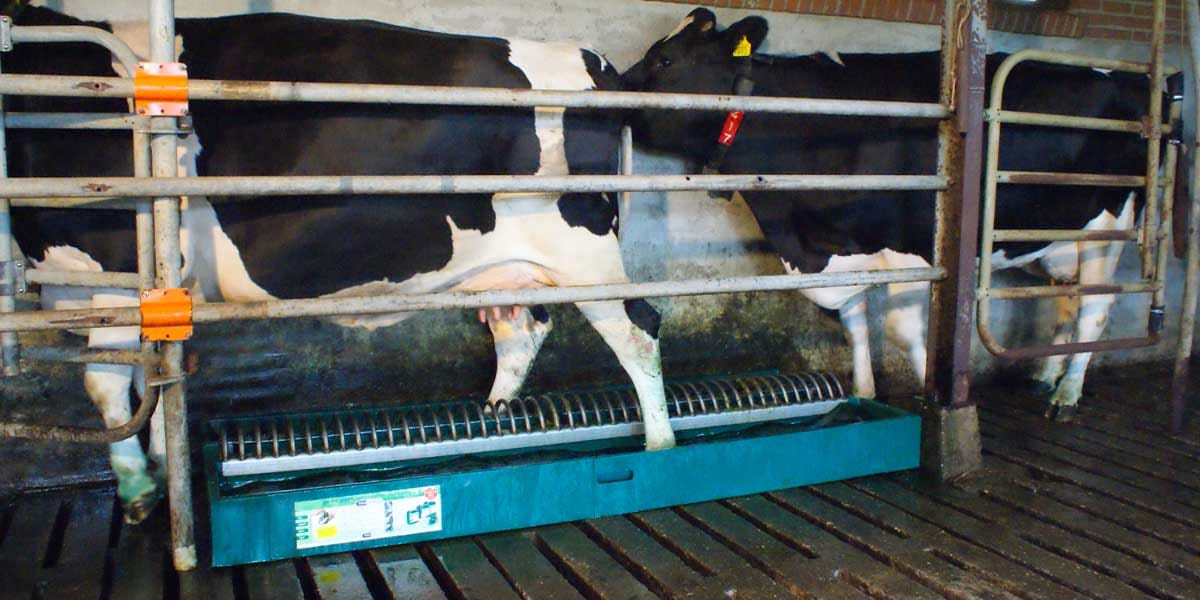
Spraying works when footbaths don’t. Hoof Sol Spray with a Matabi applicator fits into existing routines. Apply it while heifers are secured in headlocks or during pen checks. It works in cold weather and outdoor housing when footbaths freeze or become impractical.
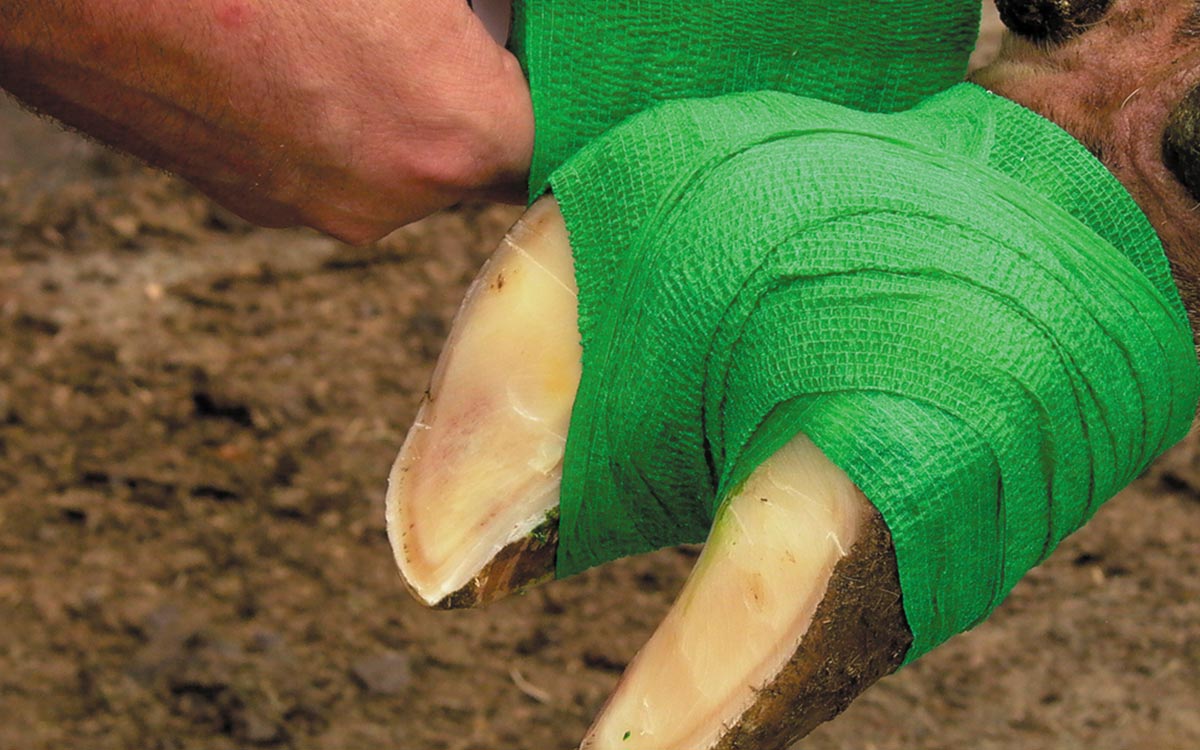
When you spot active DD lesions during inspections, switch to Intra Hoof-fit Gel for direct treatment. The gel targets the lesion while Repiderma supports the healing of the surrounding damaged skin.
Conclusion
Your replacement animals either produce or disappoint based on their hoof health. Strategic trimming, clean environments, proper nutrition, and preventive care prepare heifers for productive lives in the milking herd.
Martin’s story proves the point. Trimming heifers 6 weeks before calving eliminated his fresh-pen problems. Small changes deliver returns throughout a productive life.
Building a heifer hoof health protocol:
- Start with pen walks to identify problems.
- Work with your hoof trimmer to establish practical trimming schedules based on actual observations.
- Address Digital Dermatitis before it escalates.
- Keep records to identify trends.
Investing in heifer hoof care pays off when those animals enter the milking herd comfortably and produce well. Your future herd’s success starts with today’s choices.

Q & A Heifer Hoof Management
How thick is a heifer’s hoof sole?
The sole of a heifer is 5 to 7 mm thick, thinner than that of a mature cow. In dry conditions, it flakes and sheds naturally, leaving a few millimeters.
Don’t trim there; instead, work on the overgrown hoof wall to maintain balance. Trimming too much sole could lead to lameness.
How important is the timing of the heifer hoof trimming?
Schedule hoof care 6 to 8 weeks before calving to allow for adjustment before the demands of late-pregnancy weight and lactation.
Timing depends on what you see. Good hooves at healthy length don’t need early trimming. If you spot deformation or lameness, trim immediately, regardless of her stage.
Right timing prevents lameness and ensures a smooth transition into the milking herd.
At what age should hoof trimming start for dairy heifers?
Start checking at 12-15 months. This assessment catches genetic problems like corkscrew claw before they worsen. Not every heifer needs trimming at this age, but early inspection identifies which do.
Can hoof health in heifers predict issues in the milking herd?
Yes. Multiple heifers with the same problems (overgrown toes, early digital dermatitis) indicate environmental or nutritional issues affecting your operation.
Heifers with chronic hoof problems produce 5-10% less milk in first lactation and get culled earlier. Address issues now to prevent bigger ones in the milking herd.