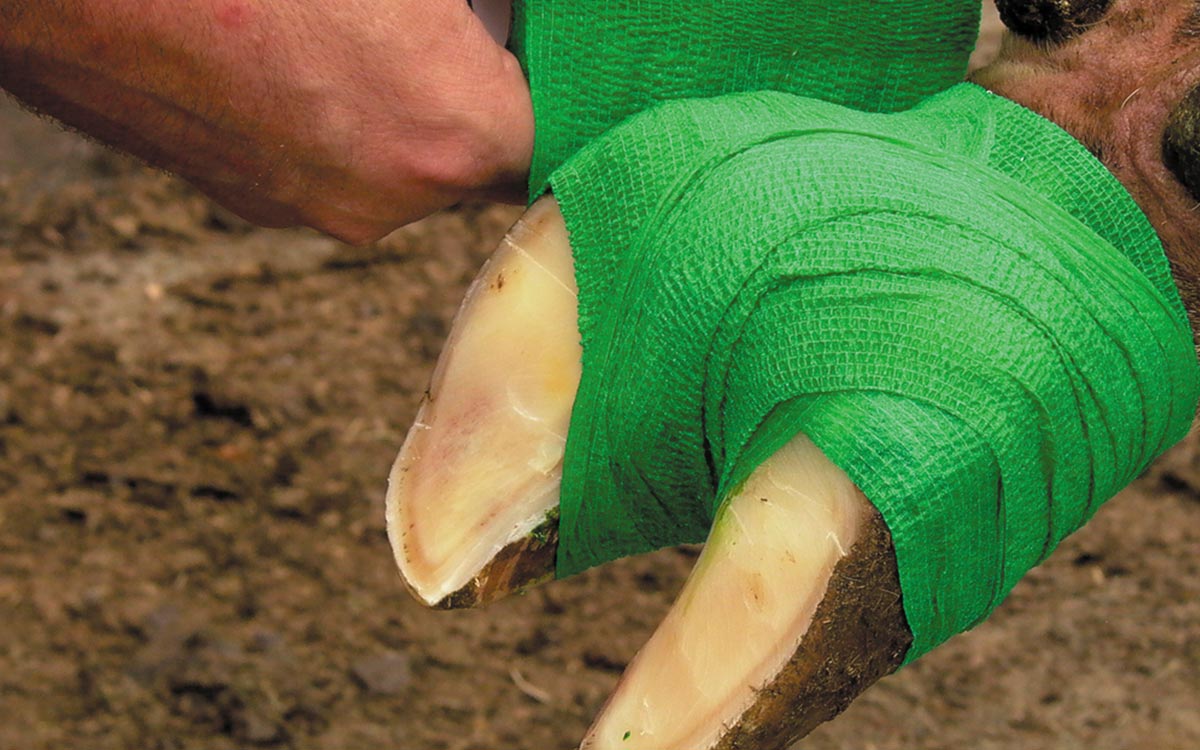

When bringing in a new hoof trimmer, their ability to minimize discomfort for your herd is crucial. Even experienced dairy farmers evaluate a trimmer’s ability to work calmly and effectively with cattle while reducing stress on the animals.
Professional hoof trimming shouldn’t cause cows pain. Routine maintenance only cuts dead horn tissue with no nerves. Treating lameness may cause some discomfort, but regular trimming of healthy hooves is generally a painless process.
A trimmer’s handling of your animals affects the smoothness and comfort of the process. As someone who has worked with numerous cattle operations, I understand the concern about potential pain or stress. With the right trimmer using proper equipment and techniques, routine hoof maintenance should be comfortable for your herd.
The Truth About Hoof Trimming and Pain
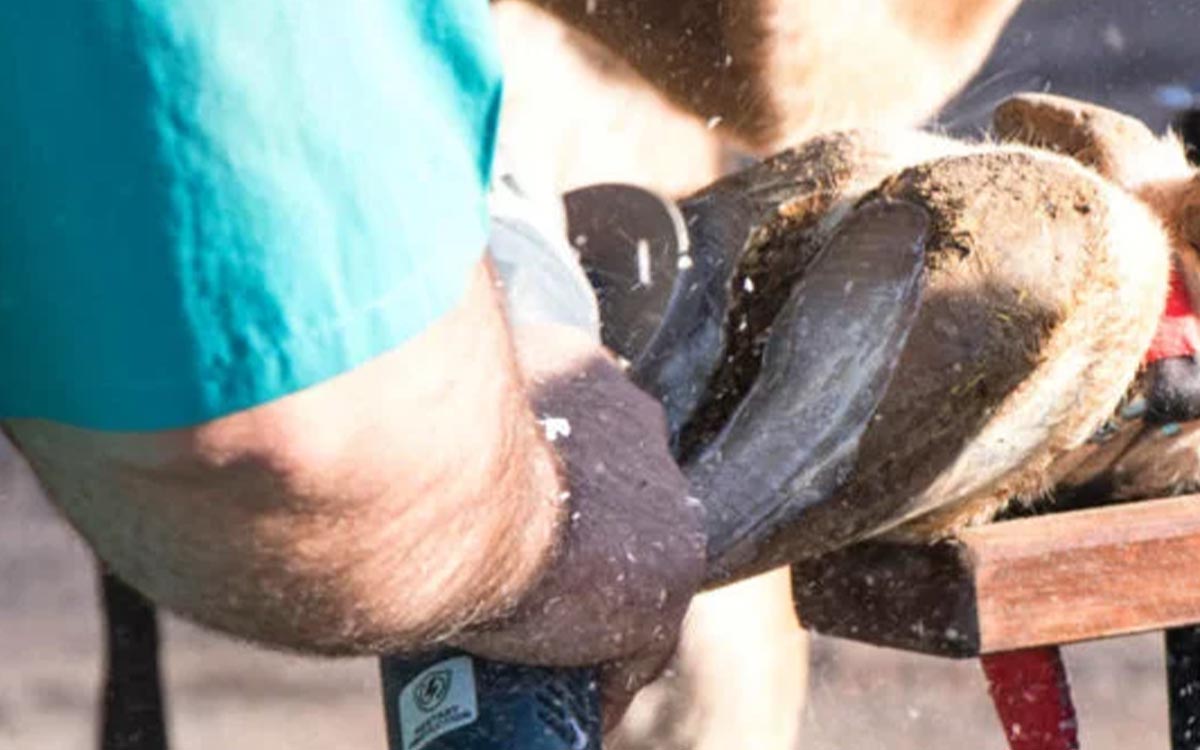
What happens when we trim hooves? During hoof trimming, we work on two main areas: the wall and the sole. The wall is the vertical outer surface – a tough, protective layer made of keratin. The sole forms the bottom surface of the hoof and, while slightly less dense, is also made of the same pain-free material. Since neither area contains nerves or blood vessels, the trimming process doesn’t cause discomfort.

Beneath that tough outer layer lies sensitive living tissue with blood vessels and nerves, similar to the pink part under your fingernail. A good trimmer knows the boundary and stays clear of it. Going into this living tissue, the corium, on a healthy hoof is called ‘over-trimming’.
Why Most Cows Handle It Well
You’ve noticed how calm most cows are during a trimming session. When we’re working on healthy hooves and staying in the correct zone, there’s nothing to hurt. When the hoof trimmer is working, most cows settle into a calm state. They’re not thrilled about being held in place, but they’re not showing real distress either. It’s more like they’re thinking, “let’s just get this over with” than “this hurts.”
The process takes 3-5 minutes with proper equipment and healthy hooves. The cow shifts in the chute, but there’s no real discomfort – it’s just maintenance.

How to Tell if Your Cow is in Pain
You know your cattle best, so you’ll notice if something’s wrong. Let’s discuss what to watch for during and after the trim.
Normal vs. Concerning Reactions During Trimming
Most cows fuss a bit about being restrained – that’s normal. Think of it like taking your dog to the vet. There’s usually some initial protest, but then they settle down. A cow might shift her weight or moo a bit at first. Give her a minute, and she’ll adjust.
Pay attention – there’s a big difference between normal resistance and real distress. When a cow is hurting, you’ll see constant bellowing, violent struggling, or worsening heavy breathing. I remember a case where a heifer flinched sharply when I touched a specific spot on the hoof. It turned out there was the start of an abscess we couldn’t see from the outside. That reaction indicates something is wrong.
After the Trim – What to Watch For
Once the work’s done, most cows will walk off like nothing happened. They are a little careful at first – like how you walk after someone holds your leg tightly for a few minutes. But soon, they return to their regular selves and join the herd.
You want to avoid ongoing problems. If your cow is still limping the next day or if the condition worsens, that’s not normal. Watch for changes in their routine. A cow that is usually first for milking but now hangs back is a notable sign. If one shows no interest in eating, they need attention.

Trust Your Instincts
You spend more time with your cattle than anyone else, so you’ll notice things others might miss. If something seems off after a trim, don’t ignore that feeling. It’s the way a cow is standing or how she’s shifting her weight.
I remember a dairy farmer telling me about a cow that seemed “off” after a trim. Nothing dramatic – she was eating and walking, but her movement caught his eye. He called us back, and there was a small crack in the white line that needed attention. I did not spot this hoof problem during the trim, or it could have developed afterward.
Let’s Talk About When Things Can Go Wrong
Hoof trimming can cause discomfort. Sometimes it’s unavoidable, usually when dealing with existing problems causing pain.
When Hooves Have Existing Problems
Overgrown or sore hooves cause discomfort before we start working on them. When cattle have severely overgrown hooves or conditions like sole ulcers, the trimming process may involve sensitivity because it involves addressing sore areas.
If you had an infected hangnail, even gentle treatment would be sensitive. The same principle applies here. Hoof trimmers know how to work efficiently in these situations, and the temporary discomfort during treatment ultimately leads to relief afterward.

The Importance of Proper Technique and Equipment
The value of a skilled professional shows. Experienced trimmers come with sharp, well-maintained tools and know how to work efficiently without unnecessary pressure or force. They read the animal’s reactions and adjust their approach.
With the right tools and time, even challenging cases can be handled with minimal stress to the animal. Experience and proper preparation make a significant difference.
Making Sure Hoof Trimming Goes Smoothly
How do you ensure your cattle have the best experience? It comes down to a few key things that make a difference.
Getting the Job Done Right
The key to trimming cattle is having the right skills and equipment. An experienced trimmer – whether that’s you or someone you hire – works efficiently while keeping them comfortable and spots potential problems early. Quality hoof care leads to healthier, more productive cattle.
Stay Ahead of Issues
Regular hoof maintenance is more cost-effective than addressing problems later. Most dairy cattle need professional trimming every 4-8 months, based on environmental conditions and individual growth rates. Proactive care prevents costly complications and downtime.
Good Equipment Matters
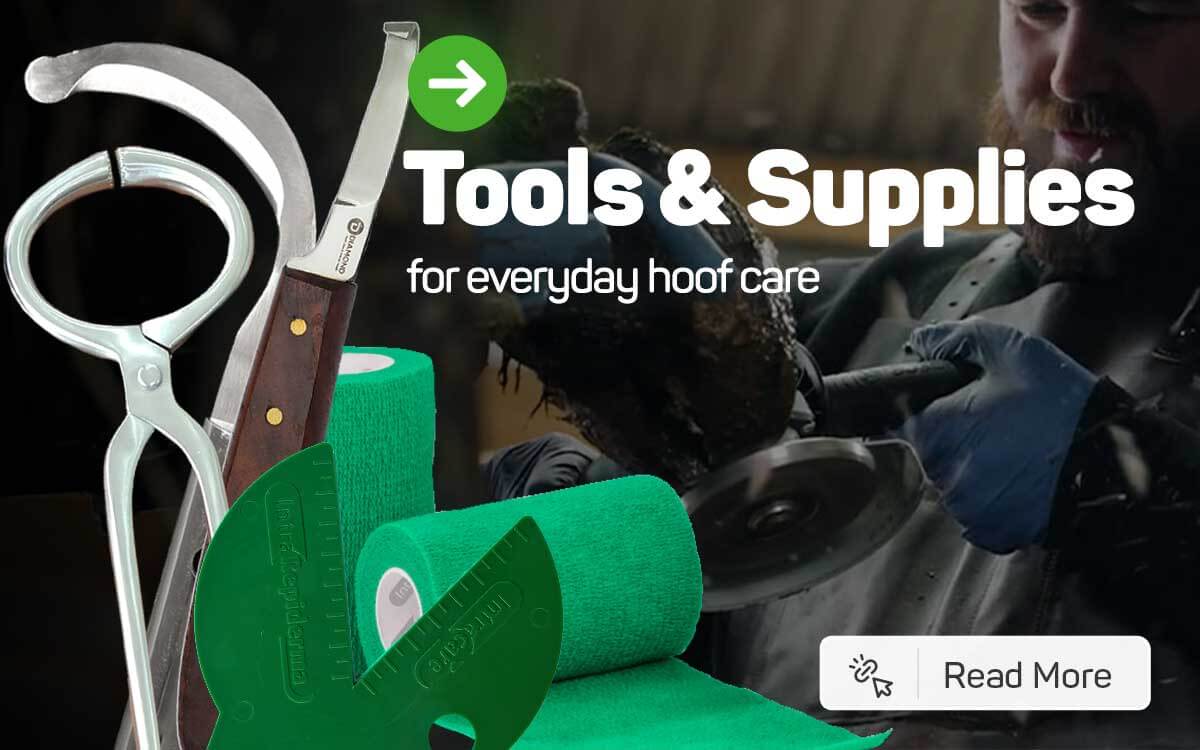
Proper restraint equipment is essential whether you’re doing the work yourself or hiring a professional. Every operation should have access to a quality chute – not just for routine trimming, but for quickly and safely evaluating a cow showing signs of lameness.
A farmer once told me about handling an urgent hoof issue in the milking parlour. He tied up one leg with a rope, but the makeshift restraint wasn’t secure enough for the uncomfortable cow. What should have been a quick check turned into a chaotic situation with broken milk lines and everyone scrambling.
Proper chute systems prevent these problems entirely. A good chute secures the animal while keeping both cow and handler safe. When working with sharp tools around a 1,200-pound animal, having the right equipment isn’t just about efficiency; it’s about preventing injuries. The investment pays for itself the first time you need to address an urgent hoof issue promptly.
Bottom Line FAQ
Does hoof trimming hurt cows?
No. When done correctly by an experienced professional, it’s similar to cutting your fingernails. The pain comes from delaying hoof care when problems develop, not from proper maintenance.
How often should I trim my cattle’s hooves?
Most need trimming every 4-8 months, depending on their environment and growth rate. Regular maintenance prevents issues from overgrown hooves.
Can I save money by doing it myself?
Many farmers trim their cattle with proper training and equipment. It requires learning techniques, investing in quality tools, and practicing regularly. If you have the time and interest, it is rewarding and cost-effective. If not, professional trimmers offer expertise and efficiency worth the investment.
What should I look for in a hoof trimmer?
If hiring, consider their experience, equipment maintenance, and reputation in the dairy community.
When your cows are comfortable, they produce better, benefiting your bottom line. Proper hoof trimming shouldn’t hurt your cattle – but letting problems worsen will. Don’t neglect hoof care – your animals depend on your wise decisions about their wellbeing and comfort.