
Your cow was fine yesterday. This morning, she won’t put weight on her back leg. She’s holding it up, barely touching the ground, and you can see she’s hurting. You checked for cuts or foreign objects but found nothing. It’s a hoof abscess.
Hoof abscesses need drainage to heal. Some rupture naturally, but waiting causes unnecessary pain and risks complications. You have two options: professional drainage or managed DIY treatment. Both work when done properly.
Abscesses occur when bacteria get trapped in the hoof, building pressure that causes pain. This article covers how to recognize them early, what happens if you leave them untreated, and the most effective treatment approaches to reduce pain and prevent complications.

[Source from GP Hoof: HUGE PRESSURE RELEASE from COW’S HOOF!!!]
Signs of a Hoof Abscess in Cows
The earlier you catch an abscess, the easier it is to treat. Watching your cow’s movement and behaviour is key since the infection starts deep inside the hoof.
Sudden, Severe Lameness: Quick Checks
Lameness hits fast with abscesses. The cow was walking normally yesterday, but today she’s three-legged and lame. This sudden change is your biggest clue. Other hoof problems, like sole ulcers or laminitis develop slowly over weeks.
Watch her moves. She holds the bad foot off the ground or just touches her toe down. When she tries to walk, the limp is obvious. She’s avoiding putting weight on that hoof.
Heat and Swelling
Feel the suspect hoof and compare it to the others. The infected claw feels warmer. You may see swelling on one side of the foot.
When pressed, the area behind the claw may feel puffy. Some cows jerk their foot away when you touch the sore spot.
Visible Drainage
If the abscess has already ruptured, you’ll see discharge at the hairline or sole. The fluid can be clear, cloudy, or bloody and usually smells bad. Drainage confirms you’re dealing with an abscess, though the infection is already breaking out.
Getting Professional Help
A professional trimmer can drain the abscess and provide immediate relief. The earlier they see it, the simpler the treatment.
If the cow shows fever, stops eating, or has swelling moving up the leg, call a veterinarian immediately. These signs suggest the infection is spreading beyond the hoof, which is outside my scope as a trimmer and requires veterinary care.

What Happens If You Don’t Drain Hoof Abscesses?
You’ve learned to spot the signs. Now let’s discuss untreated abscesses.
Some abscesses rupture and drain spontaneously. Waiting for that to happen means your cow suffers longer than necessary. The longer bacteria and pus stay trapped, the more damage they cause.
Infection Can Spread
When pressure builds with nowhere to go, the infection pushes deeper into the foot or moves up the leg. What started as a contained problem can reach joints or tendons. At that point, you’re dealing with something more serious that needs veterinary care and possibly antibiotic treatment.
Lasting Hoof Damage
Prolonged infection can damage the tissue inside the hoof that grows new horn, leading to permanent lameness or unusual growth. Even after the abscess drains naturally, the weakened hoof remains prone to future problems.
The Money Side
A lame cow produces less milk, eats less, and loses weight. These losses add up daily.
Professional drainage costs about $100. If the infection spreads to the upper leg or becomes chronic, expect thousands of dollars in veterinary costs and lost production. The math is simple: early action saves money.
How a Hoof Abscess Begins
Understanding why abscesses happen in the first place helps you prevent future cases and recognize problems earlier.
Knowing how abscesses form helps you prevent them and catch problems early.
The hoof has a hard outer shell protecting sensitive tissue inside. When that shell gets damaged, bacteria can enter. Common entry points:
- Small cracks in the white line where the wall meets the sole.
- Puncture wounds from sharp objects.
- Bruising that weakens the sole.
- Heel separation.
Once bacteria enter, they multiply quickly in that warm, moist space. The cow’s immune system fights back, sending white blood cells to kill the infection, creating pus. With nowhere to drain, it collects in a pocket.
As pus accumulates, pressure builds inside the hoof, pushing against nerves and blood vessels and causing severe pain. Your cow becomes more lame as it builds.
The abscess will eventually burst through the weakest spot, usually at the hairline or sole. Waiting for that natural rupture means days of unnecessary pain for your cow.

Treating a Hoof Abscess
Treatment involves three things: draining the infection, relieving pressure, and preventing complications. Your approach depends on the severity and early detection.
Professional Drainage vs. Waiting It Out
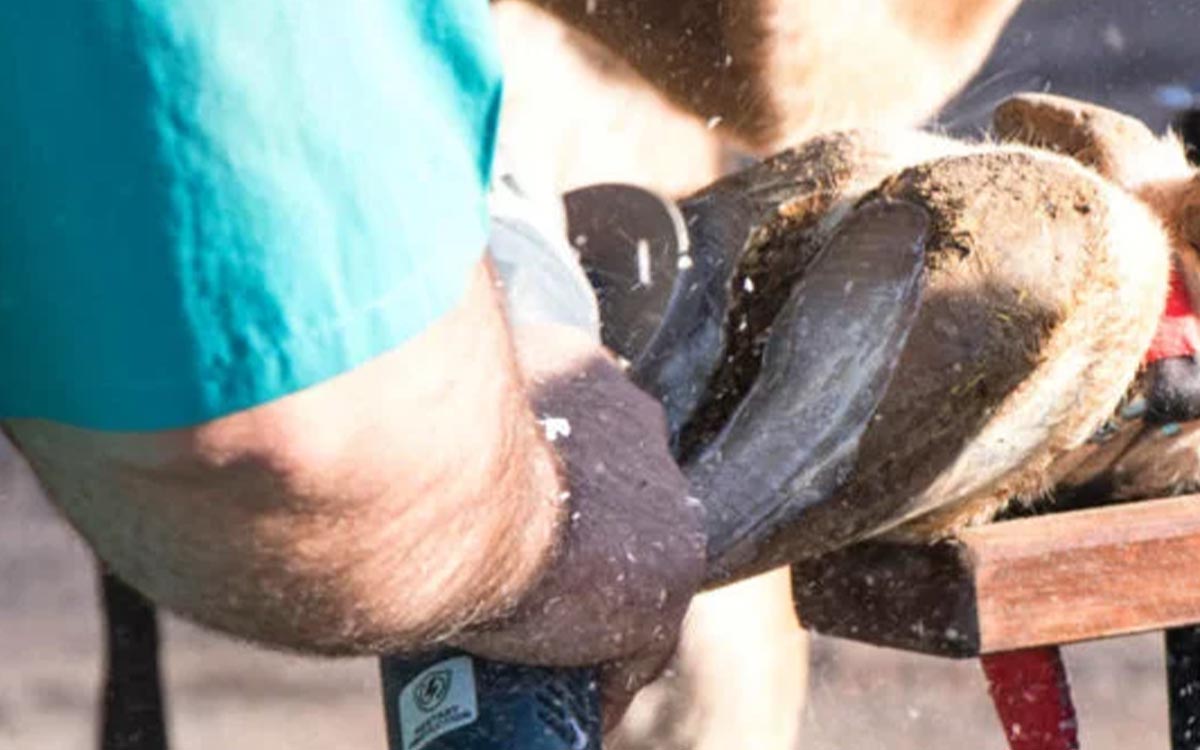
Professional drainage relieves your cow fast. A skilled trimmer can locate the abscess, open it properly, and relieve pressure immediately. The difference is dramatic.
Graeme Parker, a hoof trimmer, demonstrates this on his YouTube channel, The Hoof GP. Watch his video “HUGE PRESSURE RELEASE from COW’S HOOF!!!” to see how quickly professional drainage provides relief.
What a professional trimmer does:
- Proper restraint in a hoof chute. See hoof trimming chutes.
- Carefully remove the sole or wall to expose the abscess.
- Complete drainage of infection.
- Blocking the healthy claw shifts weight off the affected side.
- Treating with Hoof-fit Gel or Repiderma promotes healing.
Professional drainage costs $75-150, depending on your location. Compare that to weeks of lost milk production from a lame cow. Most cows improve immediately once the pressure is gone.

How to Get a Hoof Abscess to Burst Safely
You can help an abscess come to a head and rupture safely. The goal is to encourage drainage while keeping everything clean.
First, find where it will burst. Most break through at the hairline or a soft spot in the sole. Look for a bulging area that feels softer.
Warm water soaks can speed things up. Use a bucket or soaking boot with warm water and Epsom salts. Soak the hoof for 15-20 minutes twice a day. This softens the tissue and draws out the infection. Some farmers see results in 2-3 days.
When it starts to open, gentle pressure around the area (not directly on it) can help clear the pus. Let gravity do the work. Don’t force it.
What to Do If a Hoof Abscess Won’t Burst
If you’ve soaked for several days with no results, or if your cow is getting worse, stop the home treatment. Some situations need a veterinarian:
- Severe swelling moving up the leg
- Fever or loss of appetite
- Multiple abscesses or recurring problems
- Deep infections that won’t surface
A veterinarian may need to do surgical drainage under local anesthesia. If the infection has spread beyond the hoof, antibiotics are necessary. Anti-inflammatory medication helps control pain and swelling.
A veterinary visit costs $200, but delaying it could lead to a $2,000 problem next month, such as chronic lameness or systemic infection.

Hoof-fit Gel
Bandaging, Turnout, and Monitoring Healing
Once the abscess is draining, how you care for it determines how quickly your cow recovers. Check it daily.
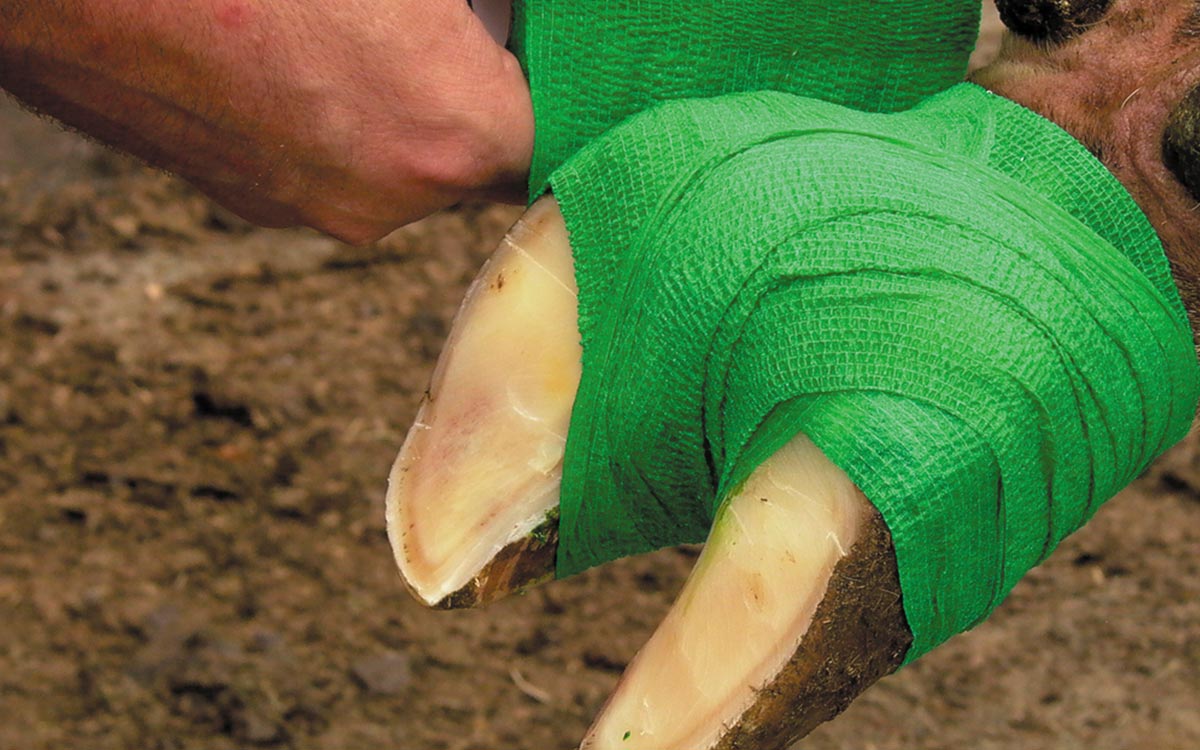
Keep the opening clean. If you wrap the hoof to apply medication or protect it, remove that bandage within 24 hours. They trap moisture and can seal things up, trapping infection inside.
Apply Hoof-fit Gel or Repiderma directly to the affected area. These products aid healing without blocking the opening, and reapply them whenever your cow walks through mud or manure.
Keep your cow in a clean, dry pen with soft bedding for the first few days. Limit her movement. Once fluid discharge slows down, and she’s walking normally, gradually move her back to the regular pen. Keep her off rough ground for at least two weeks.
Monitor daily for:
- Continued drainage should decrease in 5-7 days.
- Improved weight-bearing
- Reduced heat and swelling
- Return to normal behaviour.
With proper treatment, most cows recover fully in 2-3 weeks. If things aren’t improving, don’t wait that long. If your cow isn’t bearing more weight after 3-4 days of treatment, or if she worsens, call a veterinarian. Waiting weeks for help when treatment isn’t working means more damage and a harder recovery.
Final Thoughts
Can a hoof abscess heal on its own? Sometimes, but waiting means unnecessary pain for your cow and lost money for you.
Act fast for better results. If you delay, a quick drainage could turn into weeks of problems.
The best approach combines three things: regularly inspecting hooves to catch problems early, quickly acting when you spot lameness, and getting professional help when needed.
Regular trimming, clean facilities, and good nutrition prevent most abscesses. When they occur, quick treatment makes a significant difference.
Trust your instincts. If your cow looks off, something is wrong. Check it early, fix it quickly.
FAQs
Can abscesses spread between cows?
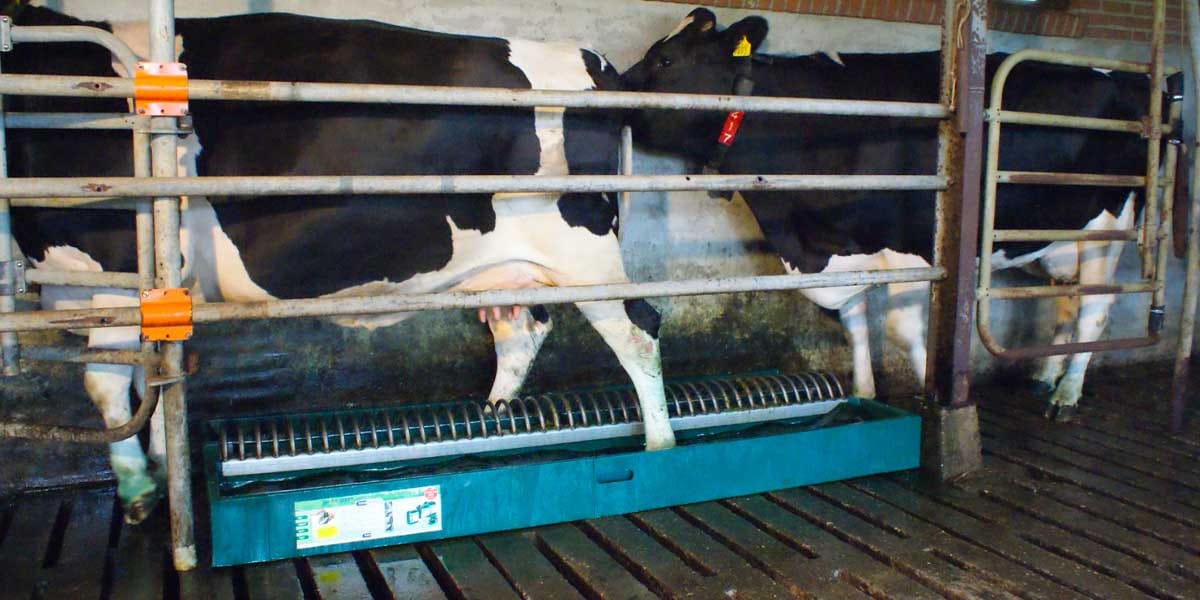
No, abscesses aren’t contagious. One cow can’t give it to another. The bacteria causing them already exist in your barn. If multiple cows have abscesses, it’s not spreading; it means the conditions are causing the problem. All are walking on the same wet floors, rough surfaces, or dealing with the same nutritional issues. Improve the environment to stop new cases.
Should I isolate a cow with an abscess?
Isolation isn’t about contagion, since abscesses don’t spread between cows. But it’s a good idea. A separate pen makes treatment easier. You can find her quickly for daily checks and medication. She’s more comfortable with less competition and more space to rest. When she’s back in the herd, it’s easy to lose track of her or forget to monitor her progress.
How can I tell if the abscess is healing properly?
In 5-7 days, expect less drainage as the wound dries and scabs. Your cow should put more weight on that foot daily. If she’s not improving after 3-4 days or worsens, call a veterinarian. Don’t delay in seeking help.