
Top 6 Farm Supplies for Cattle
Running a successful cattle farm requires more than basic care. It demands strategic investments in quality supplies for your herd. Whether managing dairy or beef, having the right equipment impacts animal welfare, farm efficiency, and profitability.
The Importance of Quality Cow Supplies
Quality equipment offers clear advantages, but every operation has different constraints and priorities. Some farms run efficiently with older or budget items through smart maintenance and management. Others find that upgrading specific pieces significantly improves their operations.
The key is knowing where your operation might benefit from an upgrade. If you’re dealing with frequent breakdowns during critical times like calving season or harvest, or if equipment limitations are creating daily bottlenecks that cost time and labour, those are areas to assess.
I’ve seen successful operations from farmers who maximize equipment through excellent maintenance to those who make strategic upgrades that improve efficiency. The right choice depends on your situation, budget, and long-term goals.
Top 6 Must-Have Cattle Supplies
After years of trimming hooves across Alberta farms, from small family operations to large commercial dairies, I’ve seen what separates thriving ones from struggling ones. The fundamental needs remain consistent, whether I’m in a modern facility or a converted barn.
These six supply categories differentiate profitable farming from ongoing challenges:
1. Feeding Equipment
On every farm visit, I first notice how cattle access their feed and water. Inadequate feeding management can lead to hoof problems weeks later.
Good nutrition starts with proper harvest, storage, and feed delivery. Quality feeding equipment includes:
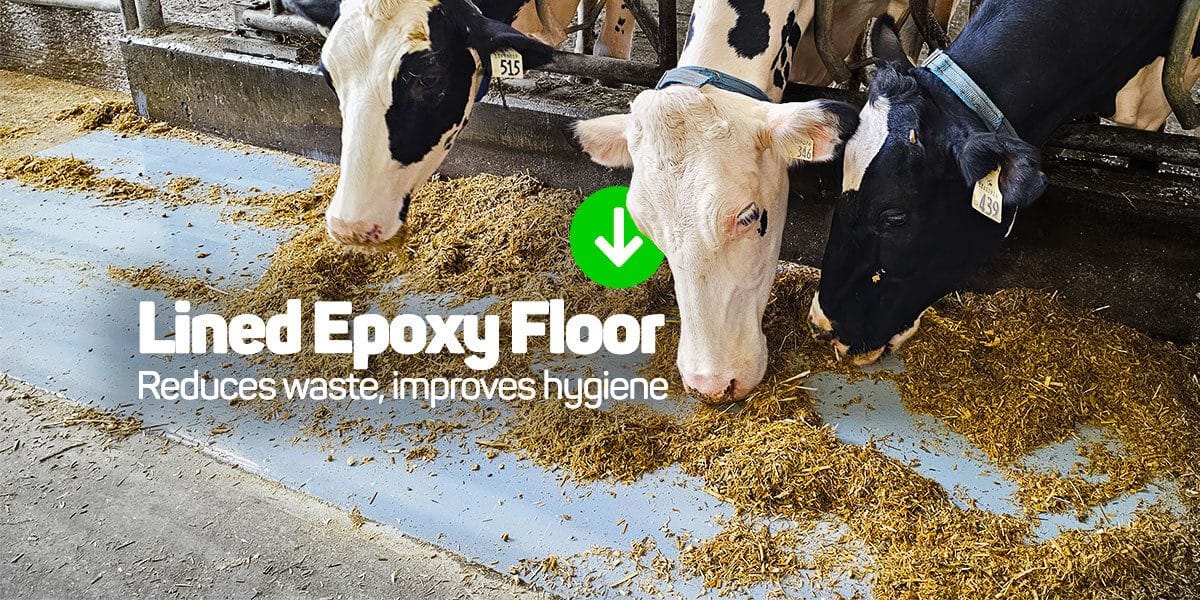
- Feed bunks and troughs: Heavy-duty, easily cleanable designs prevent feed waste and contamination.
- Automated feed systems: Reduce labour and ensure consistent feeding schedules.
- Storage solutions: Proper silos, hay storage, and grain bins maintain feed quality.
- Feed mixers: Ensure balanced rations consistently reach every animal.
Proper drainage around feeding areas is crucial. Standing water or manure creates an environment for hoof problems and affects feed quality.
Regular, easy-to-clean waterers keep fresh water available. More farms are adding feed pushers or robots for consistent access to feed.
I spoke with a dairy farmer who upgraded his feeding alley to proper 24-inch spacing per cow and added a robotic feed pusher. Within months, he noticed improved body condition scores and fewer nutrition-related hoof issues. The cows were calmer, competition at the feed bunk decreased, and waste was minimal.
Consistent, stress-free cattle feeding reflects in their overall health, including their feet.
2. Healthcare Supplies
Working across Alberta and Saskatchewan’s cattle operations, I’ve noticed farms with comprehensive healthcare supplies handle problems more efficiently.
Essential healthcare products for every operation:
- Vaccines & Dewormers: Follow your veterinarian’s instructions.
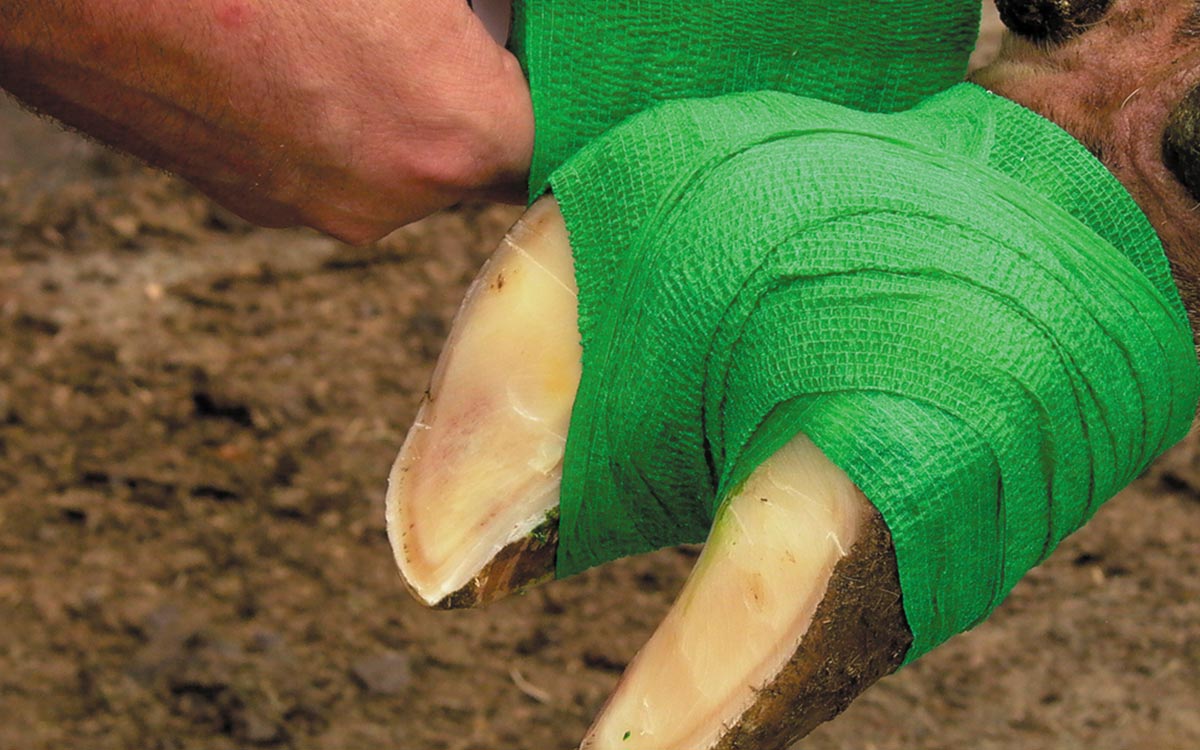
- First Aid Essentials: Bandages, antiseptics, and skin sprays like Repiderma.
- Mastitis Detection: Early detection tools reduce treatment costs
- Calving Supplies: OB chains, gloves, and lubricants for challenging births
The most prepared farmers I work with have worked with their veterinarians to determine the right stock based on herd size and previous issues. It’s better to have the right supplies on hand than to scramble to find them later, though every situation is different.

3. Hoof Care Tools
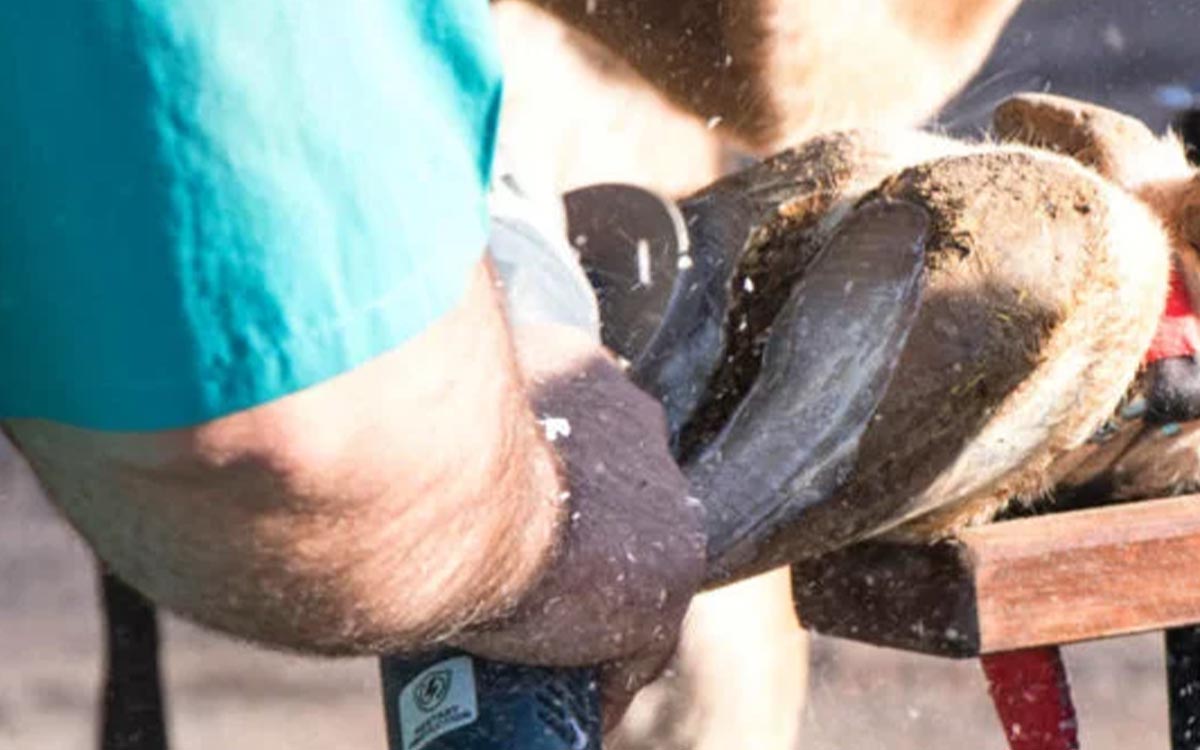
This is where my expertise comes in. After trimming thousands of cows, I can tell you that lameness remains the most expensive hidden cost in cattle operations. Consider investing in a chute to safely inspect your cows’ hooves. Check out the experience from a Quebec farmer who trims his own cows.
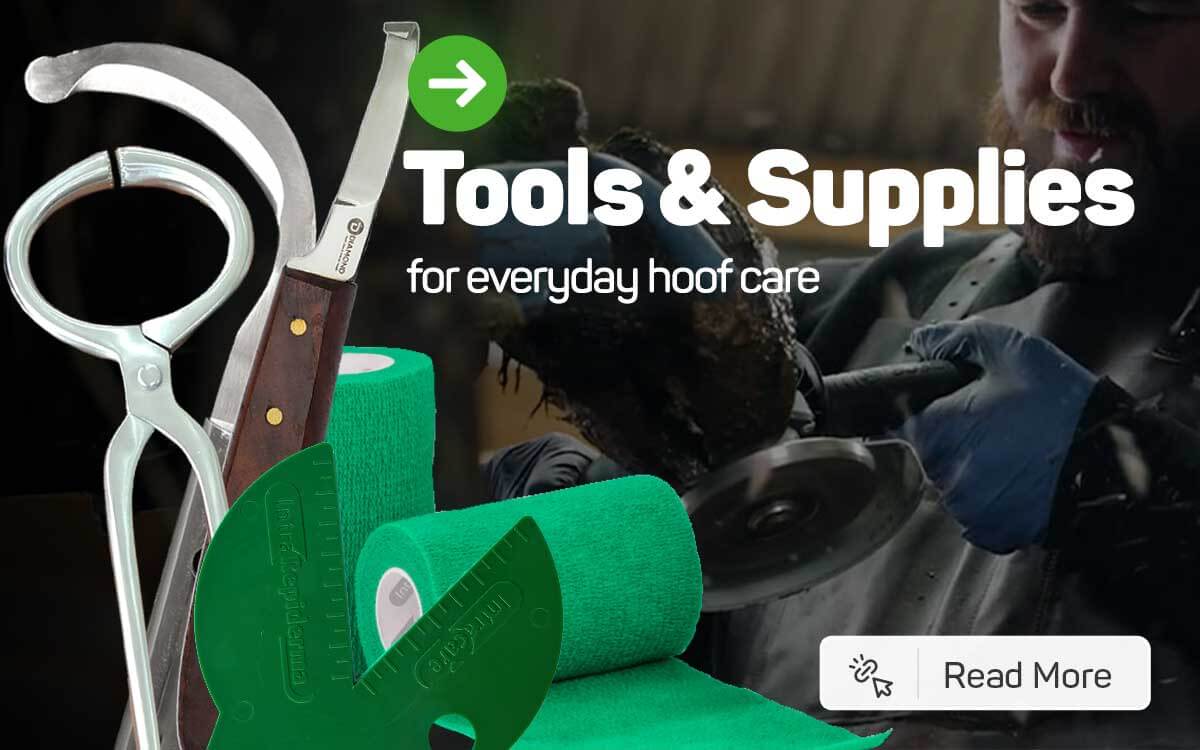
Properly trimming a hoof requires quality tools. At Diamond Hoof Care, we believe in professional-grade tools that we use ourselves. Below are the main tools we use and the selection on the tool page:
- Quality hoof knives – Diamond Hoof Care knives maintain their edge through numerous trims.
- Hoof testers – The Hoof Tester Pro is important for detecting problems early.
- Wrap removal tools – The Wrap Away safely removes bandages without causing injury.
- Treatment products – Digital Dermatitis treatments and preventive sprays.
At tradeshows, farmers often complain about their hoof care tools. They say, “My hoof knife is dull again.” There are two parts to solving this problem: the blade quality and knowing how to sharpen it.
The steel matters. Cheap knives use soft steel that won’t hold an edge, so you’ll spend more time sharpening them than trimming hooves. Our Diamond Hoof Care knives use professional-grade, hardened stainless steel that maintains its edge through multiple animals.
But every knife gets dull eventually. Even the best steel needs proper sharpening. I get calls from frustrated farmers because their “sharp” knife won’t cut properly. Typically, they fail to maintain the correct angle or employ a suitable sharpening method for hoof knives.
Both elements matter: quality hardened steel that can hold an edge, and the knowledge to maintain that edge. Without both, you’ll struggle with your tools instead of working with them.
4. Bedding and Shelter Materials
From my perspective in the trimming chute, I can tell which farms prioritize cow comfort. Comfortable cows have healthier feet, fewer hock lesions, and better overall condition.
Sand bedding offers excellent drainage and comfort for the cows. Some operations effectively use recycled manure solids by properly processing them. Traditional straw or sawdust works with frequent replacement. Rubber mats can reduce bedding quantity while improving comfort, and proper ventilation is essential for preventing humid conditions that lead to hoof disease.
Cows should lie down for 12-14 hours daily. If I see cattle standing too long due to poor beds and bedding, I find more foot problems. Inadequate comfort impacts production and creates stress conditions that make them more prone to lameness.

5. Milking Equipment (Dairy Operations)
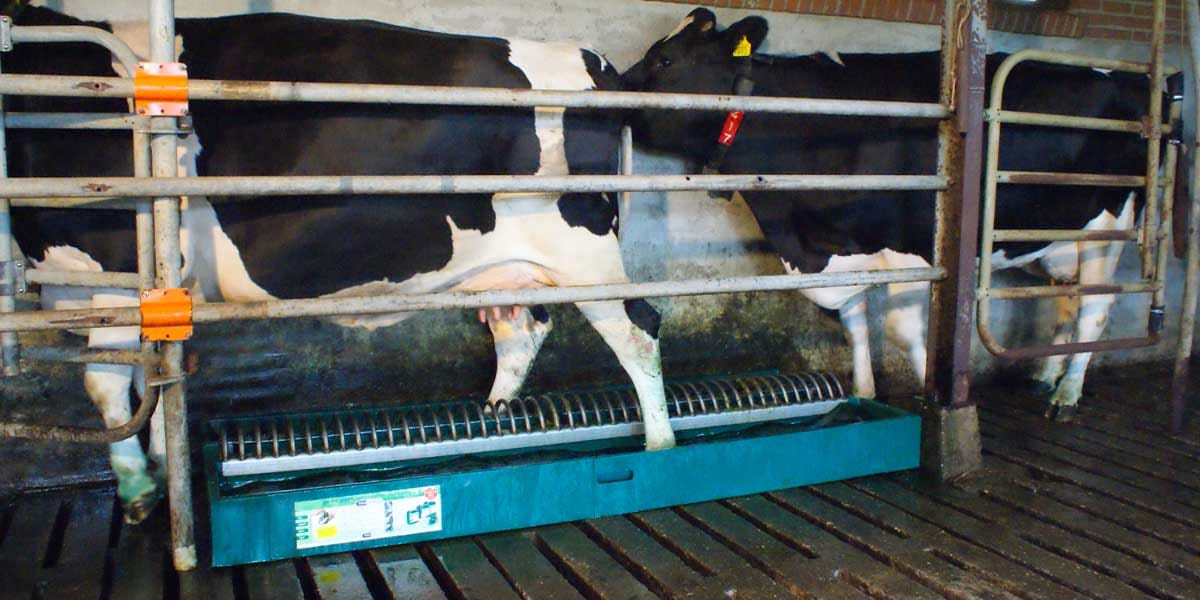
I’ve learned that milking facility design affects what we see in the trimming chute. The biggest problem isn’t the equipment but how long cows wait.
In parlour systems, I see cows waiting up to two hours in holding areas. That’s too long for healthy hooves. Concrete standing for extended periods creates pressure points and contributes to sole ulcers and white line disease. The more they stand, the more problems I find during trimming.
Robotic milking systems can solve this issue when managed properly. The cows move through on their own schedule without forced waiting periods. However, I have seen robotic dairies where they get sorted into holding pens and stand for 2-3 hours, which undermines the purpose.
The healthiest hooves come from operations with calm herds and efficient cow flow. Farms that avoid aggressive pushing and chasing, and don’t overuse the crowding gate, minimize standing time and show better hoof health. Stressed cattle are more prone to sudden movements and injuries, but more importantly, those forced to stand on concrete for hours develop chronic pressure issues that show up in my trimming chute.
When designing or evaluating your milking facility, prioritize efficient cow flow and minimize standing time. Consider consulting experts like DairyLogix Consulting for barn design or retrofits. Even modest improvements to reduce standing time on concrete will benefit hoof health more than investing in expensive milking equipment. The best technology can’t overcome a facility design that forces cows to stand too long on hard surfaces.
6. Farm Safety and Tool Handling
Essential handling equipment includes quality squeeze chutes for secure restraint during veterinary procedures. These are crucial for processing cattle efficiently and safely on feedlots. While they’re not designed for hoof work, I have worked with local veterinarians in Lethbridge to perform spray treatments using Hoof Sol Spray and the Matabi applicator directly in squeeze chutes when necessary.
Non-slip flooring prevents injuries during handling and is crucial for cattle and worker safety. Cattle in handling facilities need a secure footing to prevent slips that can cause injuries or panic.
On dairy farms, proper gates and cow flow design are essential for daily operations. Speak with a barn building contractor like Jake’s Welding Inc about recommendations for new construction or retrofits to improve cattle movement. They understand the requirements for dairy facilities and can suggest modifications that reduce stress during routine procedures like milking and health checks.
Quality handling equipment reduces stress for cattle and handlers. When they move calmly through well-designed facilities, they are easier to work with, reducing labour needs and improving safety. Farms with proper handling facilities consistently have fewer injuries and cattle that cooperate better during routine procedures.

Investing in the Right Cow Supplies
Success in cattle farming isn’t about fancy equipment or a big budget. It’s about making strategic decisions that yield results over time. Every farm has different needs, challenges, and resources. What works for your neighbour might not work for you.
How to Prioritize Your Equipment Investments
How do you determine what you need? Start by reviewing your operation with fresh eyes. Observe task durations. Notice where you’re working harder instead of smarter. Pay attention to where animals get stressed or injured. Listen to your body’s signals after a long day.
Here’s how I help farmers prioritize their investment requests:
- Immediate safety concerns – Address these first. A broken head gate or slippery flooring puts cattle and handlers at risk daily. I’ve seen too many preventable injuries from using dangerous equipment.
- Production bottlenecks – Equipment limiting your efficiency costs money daily. For instance, check the cow flow. Missing a gate requires two people to move cows to the holding area. That extra person for 1 hour daily at $20/hour costs $7,300 annually, plus the stress on cattle can reduce milk production. When you see the actual numbers, the investment decision is clear.
- Preventive health tools – Invest in proper hoof care equipment and treatment supplies to reduce future veterinary costs.
- Comfort improvements – Better bedding, ventilation, or feeding systems enhance animal welfare and productivity. Comfortable cows produce more, live longer, and have fewer health issues.
Quality cattle productivity tools are investments, not expenses. They yield benefits through improved animal health, increased production, and reduced labour costs. The cheap option often costs more in the long run due to repairs, replacements, and lost productivity.
Frequently Asked Questions
What supplies do I need to start a cattle farm?
Starting a cattle operation requires basic supplies. Begin with essential feeding equipment (troughs and waterers), basic veterinary supplies, simple handling equipment (head gate and chute), and adequate shelter. Build your inventory as your operation grows. Budget $500-1,000 per head for initial setup costs, excluding land and facilities.
How often should I replace cattle handling equipment?
Quality cattle handling equipment lasts 20-30 years with proper maintenance. Inspect it annually for rust, worn parts, sharp edges, broken welds, and smooth operation of gates and headlocks.
Replace components instead of entire systems. Regular maintenance prolongs equipment life.
What’s the most important supply investment for cattle health?
While all supplies matter, proper feeding equipment provides the highest return on investment. Cattle spend 4-6 hours daily eating. Quality feeders ensure consistent nutrition, reduce waste, and prevent competition-related stress. This foundation of good nutrition supports all aspects of health and productivity.