
Hoof abscesses are a common challenge for farmers, often leading to lameness and discomfort in cattle and other livestock. Left untreated, an abscess may eventually burst, but the consequences can ripple far beyond the barn. The health of the animal suffers, and so does the farmer’s bottom line.
Research shows that lameness can cost anywhere from $90 to $300 per cow, factoring in treatment costs, reduced milk production, fertility issues, increased labor, and even the risk of culling. That’s why understanding how abscesses develop, the importance of timely intervention, and effective prevention strategies is essential for keeping both your herd and your business healthy.
What Happens if a Hoof Abscess is Left Untreated?
A hoof abscess forms when bacteria enter through a crack or injury in the hoof and become trapped. This leads to an infection that builds pressure under the hoof wall or sole. Over time, this pressure becomes unbearable for the animal, causing significant pain and lameness.
If left untreated, the abscess may burst on its own, either through the sole or at the coronary band, as the infection seeks the path of least resistance. While this natural rupture might seem like a resolution, it often leaves the hoof vulnerable to further infection, particularly if the environment is dirty or wet. Additionally, the prolonged discomfort before rupture can severely impact the animal’s feeding, milk production, and overall health.
How Long Does It Take for a Hoof Abscess to Burst?
The timeline for a hoof abscess to rupture naturally varies based on several factors, such as the severity of the infection, the animal’s immune response, and environmental conditions. In some cases, it may take a few days, while in others, it could last weeks. During this time, the cow experiences ongoing pain, which affects her ability to stand, walk, or graze comfortably.
The prolonged pressure can also lead to complications like deeper infections, joint involvement, or even permanent damage to the hoof structure. This is why waiting for a hoof abscess to burst naturally is never the best course of action.

Why Prompt Treatment is Crucial
Addressing a hoof abscess early not only relieves the cow’s pain but also minimizes the risk of secondary infections and long-term damage. Early intervention can significantly reduce recovery time, helping the animal return to optimal productivity faster.
For example, a farmer once contacted us about a cow showing clear signs of lameness but no visible injuries. Upon inspection, we found an abscess under the hoof sole. By carefully trimming the hoof, thereby opening the abscess to drain the infection and applying Repiderma, the cow’s condition improved within days. Had the farmer waited for the abscess to burst on its own, the recovery process would have been much longer and more complicated.
Steps for Treating a Hoof Abscess
When a hoof abscess is suspected, follow these steps to ensure effective treatment:
- Inspect the Hoof: Gently lift the hoof and clean it to locate the affected area. Signs of an abscess include heat, swelling, and tenderness. In difficult cases, we use the Hoof Tester Pro to apply pressure to locate the problem area.
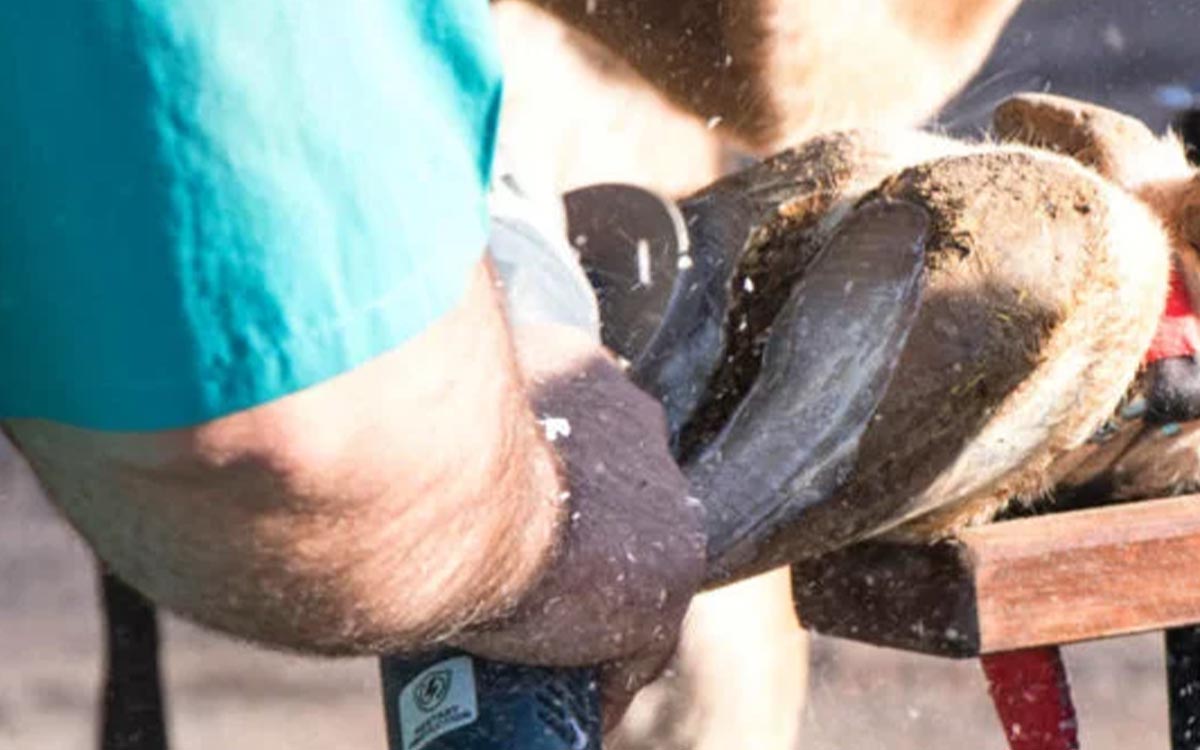
- Drain the Abscess: A trained professional should carefully trim the affected claw to open the abscess and allow drainage. This relieves pressure and pain immediately.
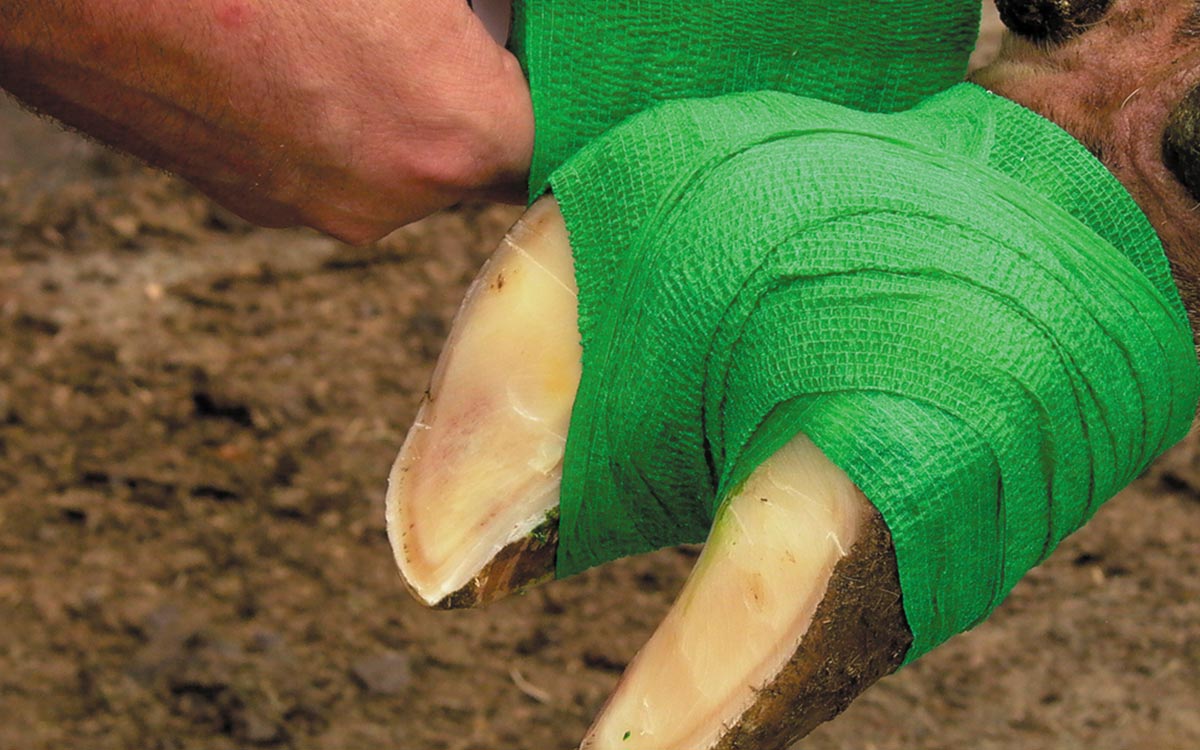
- Promote Healing: After drainage, consider using a product like Repiderma, which promotes healing and helps prevent reinfection. Avoid wrapping the hoof unless necessary, as it can trap moisture and hinder drainage. If wrapping is required, ensure it is loose to accommodate swelling and remove it within 24 hours.
- Protect the Hoof: If the abscess affects only one digit, applying a block to the healthy claw can reduce pressure on the injured area, allowing it to heal faster.
- Consult a Veterinarian: For deep infections or severe cases, antibiotics may be necessary. Your veterinarian can prescribe the appropriate medication based on the severity of the infection.
Preventing Hoof Abscesses
Preventing hoof abscesses is always better than treating them. Here are some key prevention strategies:
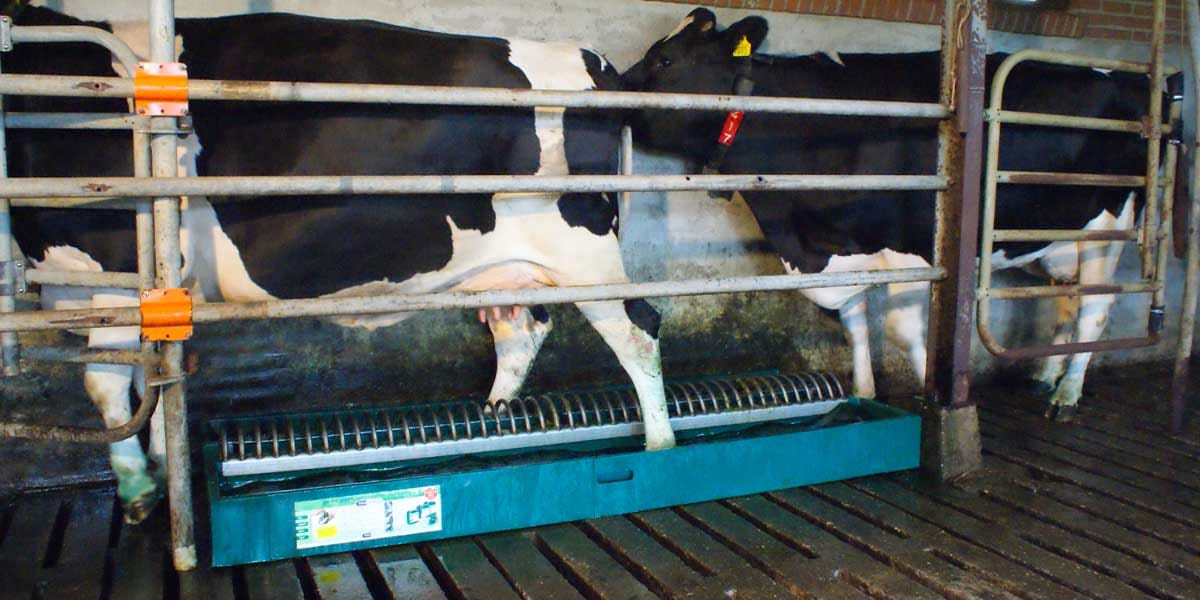
- Maintain Clean Environments: Regularly clean and dry stalls, pens, and pathways to minimize exposure to wet, dirty conditions that can weaken hooves and invite bacteria.
- Provide Proper Nutrition: Ensure your herd receives adequate minerals and vitamins, like zinc and biotin, which are essential for strong hoof growth. Resources like the University of Wisconsin-Madison’s Mineral Guide provide helpful guidance.
- Regular Hoof Trimming: Schedule routine hoof trimming to prevent overgrowth and ensure proper weight distribution, reducing the risk of cracks and injuries.
- Inspect Hooves Frequently: Look for signs of lameness, cracks, or injuries early so they can be addressed before they develop into abscesses.
- Improve Walking Surfaces: Use rubber mats or smooth gravel to minimize hoof trauma, particularly in high-traffic areas. For dairy farmers, it’s essential to regularly check concrete floors and ensure they are free of foreign objects, such as pebbles and rocks, which can easily cause hoof injuries.

Hoof Disease Reference Chart
The Role of Farmers in Early Detection
Farmers are the first line of defence when it comes to hoof health. Recognizing early signs of lameness, such as limping or a cow favouring one foot, can make a significant difference. Routine hoof inspections during milking or feeding can help spot issues before they escalate.
Conclusion
While a hoof abscess might eventually burst if left untreated, waiting for this to happen is neither safe nor humane for the animal. Timely intervention not only spares the cow’s unnecessary pain but also protects your herd’s productivity and overall well-being. By combining proper hoof care, a clean environment, and nutritional support, farmers can greatly reduce the risk of hoof abscesses and ensure healthier, happier animals.
If you’re looking for expert advice or products to enhance hoof health on your farm, contact us today. Together, we can make lameness a thing of the past!