As farmers and caretakers of your cattle, we need to be well-informed about their health and well-being.
As a professional hoof trimmer, I am often contacted by farmers who are concerned about the prevalence of hoof abscesses—a painful condition that can significantly impact their cows’ welfare and productivity.
This resource will discuss the causes and symptoms of hoof abscesses in cows, as well as effective treatments for these infections. It will also cover practical steps you can take to prevent them from occurring again.
What is an Abscess in a Cow Hoof?
A hoof abscess in a cow refers to a pathological condition characterized by the formation of a localized collection of pus within the structures of the hoof. This condition is frequently linked to bacterial infections, with Fusobacterium necrophorum being a prominent causative agent. The development of a hoof abscess is a painful experience for the animal and can manifest as significant lameness.What Causes Cows To Get Abscesses?
Caring for your cattle’s hooves is essential to maintain their overall health. However, when hoof abscesses occur, they can severely affect your cattle’s well-being. Although it may seem like these painful hoof problems develop suddenly, there are several common factors that can cause abscesses in cows. Let’s take a closer look at these factors to understand them better.
Inadequate Hoof Hygiene is a Common Culprit
Hoof hygiene is important to keep your cows healthy. If the floors or walkways are not cleaned regularly, moisture, manure, or mud can accumulate, which can lead to the growth of harmful bacteria and cause hoof abscesses. Moreover, any injury to the hooves, either from stepping on sharp objects or due to regular wear and tear, can increase the risk of abscesses.
Crowded Conditions Increase Exposure to Pathogens
Overcrowding, in addition to dirty conditions, can create ideal breeding grounds for problems. In such situations, your cows are more likely to be exposed to pathogens, which can result in an increase in the number of hoof abscesses. It is crucial to ensure cleanliness and provide your cattle with enough space to avoid unnecessary risks.
Illness and Breed Vulnerabilities Matter
Certain breeds of cows are more prone to hoof problems due to their genetic predisposition. Recognizing these breed-specific factors can help you take appropriate preventive measures for your cows. As someone who has primarily trimmed the hooves of Holstein dairy cows, even among milking breeds, I can attest to their higher susceptibility to hoof problems. Although Holsteins produce the most milk, they are more likely to experience hoof problems.
Environmental Factors Can Worsen the Situation.
It is important to consider the barn environment when it comes to taking care of hooves. Extended exposure to extreme weather conditions, such as wet and muddy situations, can weaken hooves, making them more susceptible to infections. Similarly, inappropriate flooring in barns or feedlots can increase the likelihood of hoof trauma, which can lead to abscesses.
Standing Time Affects the Impact of Hoof Problems
It is crucial to reduce the time cows spend waiting and standing while ensuring that they have comfortable stalls in which they can lie down. This will help prevent negative effects on their hoof health due to overcrowding or extended waits for milking. The longer cows stand, the higher the chances of developing hoof issues. This is because standing puts pressure on the hooves, which can lead to inflammation and pain.

Recognizing the Signs of Abscess Infection in Cows
If you work with cows, then you know how important it is to keep their feet healthy in order to maintain a healthy herd.
One of the most significant factors that can affect their well-being is identifying an abscess on a cow’s hoof. Therefore, it is essential to learn how to recognize the signs of abscesses in cows so that quick action can be taken to keep your animals healthy, happy, and in excellent condition.
Spot the Key Symptoms
When a cow has an abscess, it will usually show lameness. If you see your cow favoring one leg or struggling to walk their usual gait, check out its hooves: swelling, heat around the affected area, and tenderness are all signs of an abscess in the hoof.
These are all signs that it’s time for a closer inspection and possibly a call to the vet or professional hoof trimmer.
Understand the Impact of Abscesses on Cows
An abscess can really knock your cows off their feet, literally. Lameness caused by a hoof abscess can lead to restricted mobility—and that makes it hard for them to access food and water. A cow with less feed and fluids results in weight loss, which leads to a decrease in milk production. Timely detection and treatment of abscesses are critical—this statement is backed by solid evidence. The consequences of neglecting an abscess can be serious, so it’s important to address the problem as soon as possible.

Will a Hoof Abscess Burst if Left Alone?
A hoof abscess forms when bacteria enter through a crack or injury in the hoof and become trapped. This leads to an infection that builds pressure under the hoof wall or sole. Over time, this pressure becomes unbearable for the animal, causing significant pain and lameness.
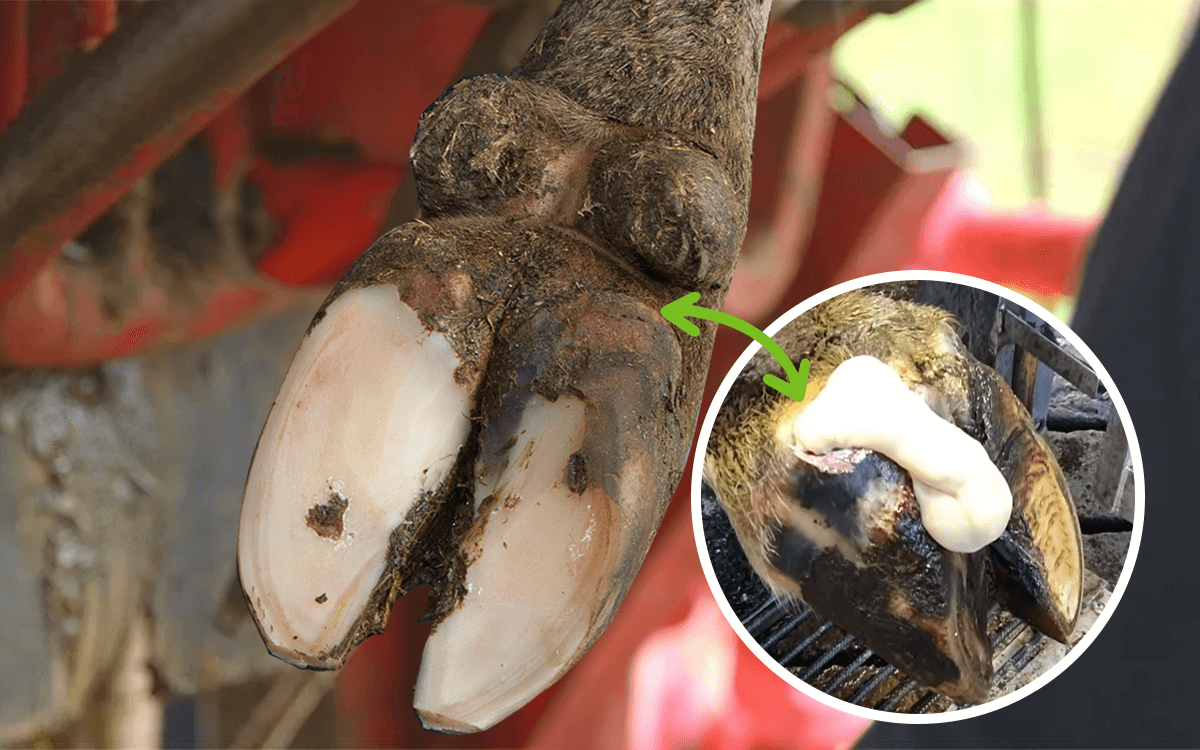
If left untreated, the abscess may burst on its own, either through the sole or at the coronary band, as the infection seeks the path of least resistance. While this natural rupture might seem like a resolution, it often leaves the hoof vulnerable to further infection, particularly if the environment is dirty or wet. Additionally, the prolonged discomfort before rupture can severely impact the animal’s feeding, milk production, and overall health.
How Long Does It Take for a Hoof Abscess to Burst?
The timeline for a hoof abscess to rupture naturally varies based on several factors, such as the severity of the infection, the animal’s immune response, and environmental conditions. In some cases, it may take a few days, while in others, it could last weeks. During this time, the cow experiences ongoing pain, which affects her ability to stand, walk, or graze comfortably.
The prolonged pressure can also lead to complications like deeper infections, joint involvement, or even permanent damage to the hoof structure. This is why waiting for a hoof abscess to burst naturally is never the best course of action.

Effective Treatment Options for Hoof Infections
Hoof abscesses in cows are a team effort, with the expertise and commitment of hoof trimmers, veterinarians—and you. Let’s take a closer look at each member’s contributions to fighting abscesses.
Hoof Trimmers’ Point of View
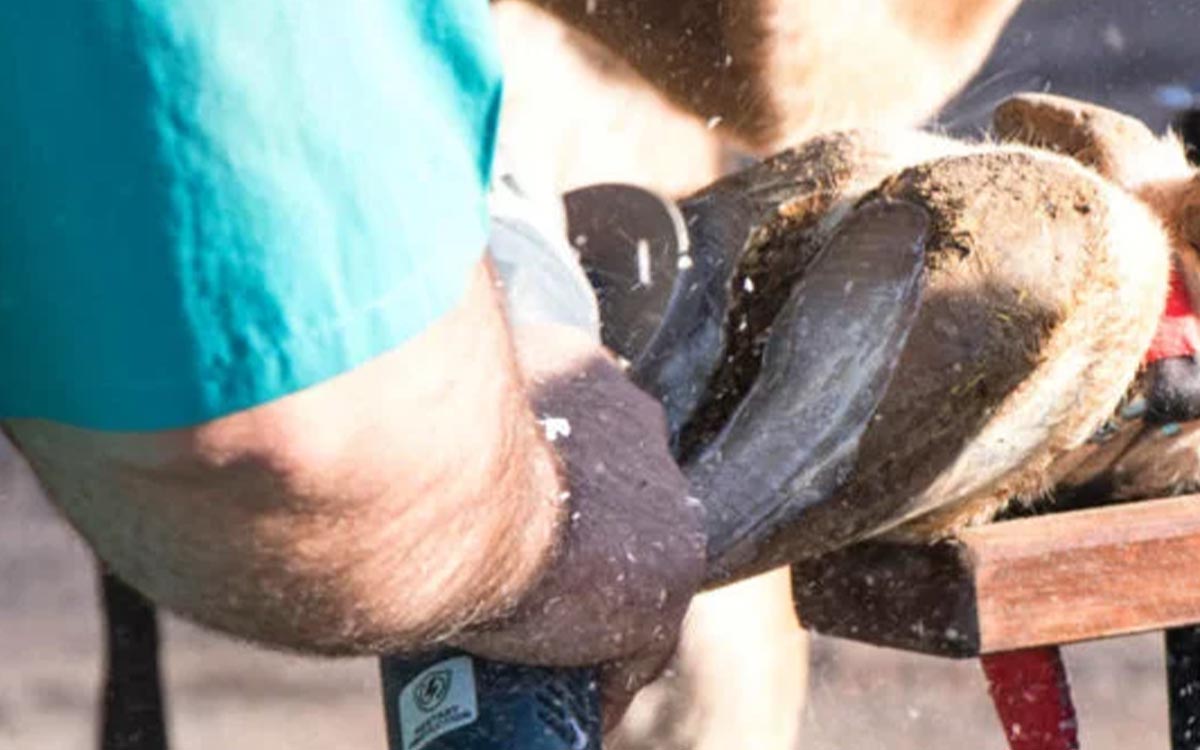
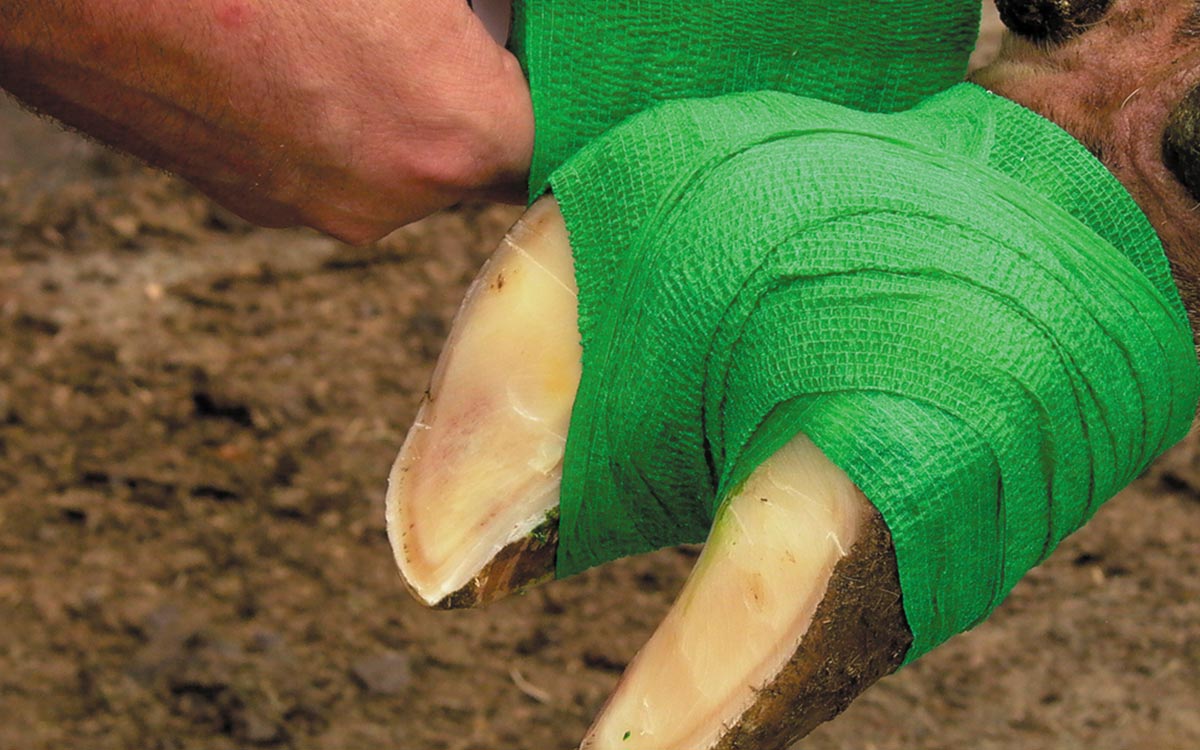
The hoof trimmers are essential in managing hoof abscesses. They possess specialized knowledge and hands-on techniques that are crucial in easing pain and aiding the healing process. Their task involves trimming the abscessed region and encouraging the abscess to start draining. Typically, they apply a hoof block under the healthy claw to remove excess weight on the sore claw, putting the affected cows on the road to recovery.
Experienced hoof trimmers understand the importance of the old saying, ‘Prevention is better than cure.’ They are adept at identifying early warning signs of hoof complications and taking prompt action to prevent the development of an abscess.
Collaboration between hoof trimmers and vets is crucial in creating comprehensive treatment strategies. Their input on the hooves’ condition and recommendations for continuous care and supervision can significantly impact treatment outcomes.
The Veterinary Intervention
Abscesses can sometimes escalate in severity or exhibit signs of a more widespread infection. That’s when the role of a vet comes in. They carry out a comprehensive check-up, prescribe antibiotics if the situation calls for it, and guide you on effective treatment patterns. To probe deeper, vets might apply additional diagnostic procedures to detect hidden conditions or complications.
One of the key roles a vet plays is in managing pain. They can provide local anesthetics to ease discomfort during hoof-trimming sessions. Their close observation of the abscess progression and fine-tuning of treatment strategies ensures your cows have the best chance at recovery.
The Farmer’s At-Home Actions
As a farmer and the primary caretaker of your cattle, you play an important role in managing cow hoof abscesses at home.
Regular hoof health protocols and establishing a dry environment can inhibit bacteria’s growth – the first step in preventing abscesses.
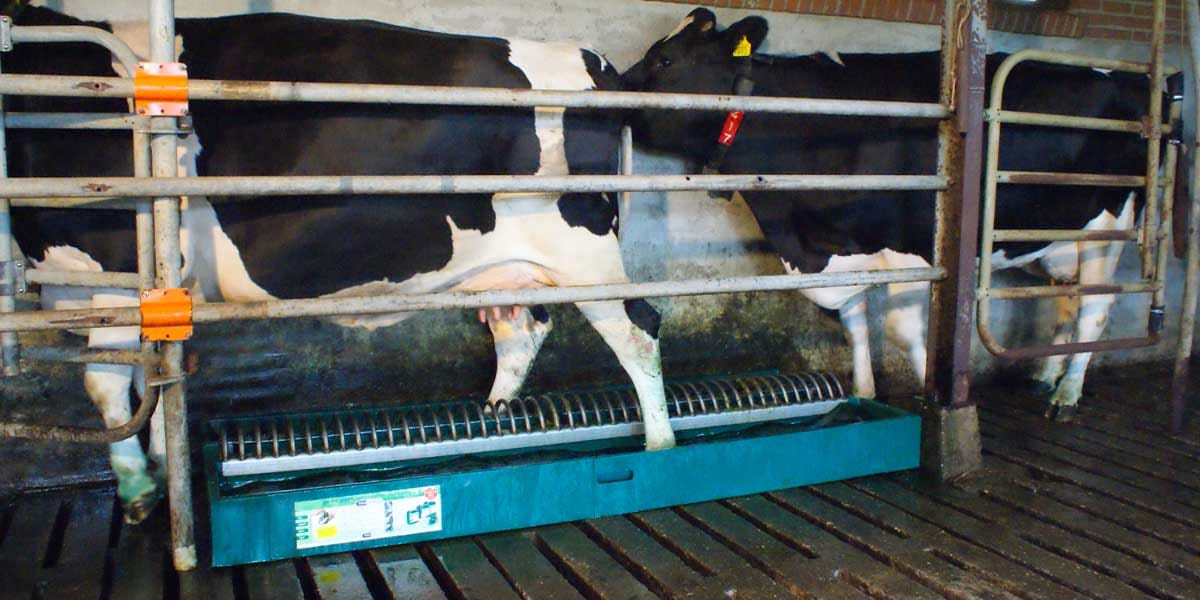
- Biosecurity steps like footbaths and quarantine routines for new arrivals can also help curb the spread of infection.
- Observe them closely for any lameness hints, like changes in their usual walk or an unwillingness to move, which could signal an abscess brewing.

Hoof Care Starter Kit
Proactive Measures to Prevent Hoof Abscesses in Cattle
Prevention is always better than cure! By implementing proactive measures, we can significantly reduce the incidence of hoof abscesses in our cattle.
Trimming hooves regularly, ensuring proper weight distribution, and providing comfortable bedding are effective preventive measures. If any abnormalities are detected, it is important to take immediate action to address the issue.
Comfortable bedding is also essential for preventing hoof abscesses. Providing a clean and dry environment for our cattle helps to minimize the risk of bacterial and fungal infections. Soft bedding materials, such as straw or wood shavings, can help absorb moisture and provide cushioning for the hooves.
In addition to proper hoof care, nutrition plays a crucial role in maintaining healthy hooves. A well-balanced diet that includes essential nutrients, such as biotin, zinc, and copper, can contribute to stronger hooves and overall hoof health in cows. Consulting with a veterinarian or nutritionist can help ensure that our cattle’s dietary needs are met.

Early Detection of Infection and Time Are Your Friends
Time is of the essence when it comes to preventing hoof abscesses. The sooner we detect and address any issues, the better the chances of a successful outcome. Prompt intervention can help alleviate pain and discomfort for our cattle and prevent the abscess from worsening or spreading to other areas of the hoof.
Collaborating with vets and hoof specialists is crucial to prevent and treat hoof abscesses. They guide you in preventive measures and care. Together, we’ll ensure the well-being of our cattle’s hooves.