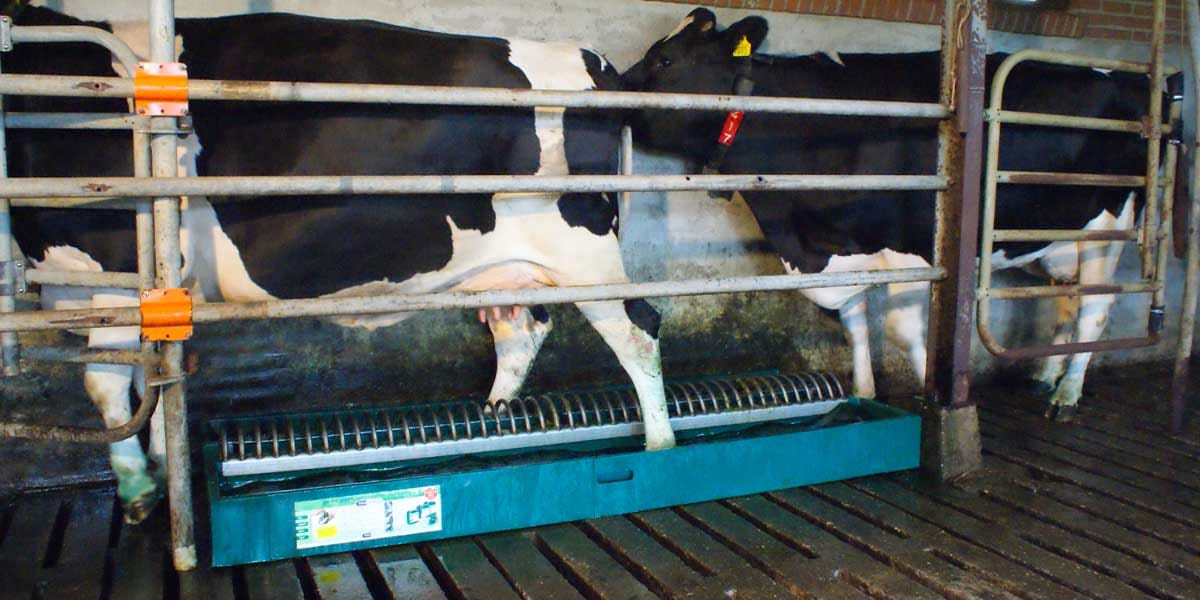
At a trade show in Red Deer, Alberta, I met a dairy farmer who washes his cows’ hooves daily in the milking parlour. When I asked why, he said it keeps them clean. The goal is to keep hooves as dry as possible, not to wash them daily.
I’ve trimmed cattle hooves professionally since 1994, and maintenance starts with your barn environment, not washing hooves. When farmers ask if they need to clean before using a footbath, I tell them: Don’t make a wash bay out of your milking parlour. If hooves are that dirty, address your barn management problem first.
At a glance: How to clean hoof on dairy farms
- Keep hooves dry. Focus on clean, well-drained alleys.
- Pick out packed debris between claws before any trim or treatment.
- Use a towel or compressed air as an alternative to water for hoof cleaning.
- Inspect the hoof carefully and record findings.
- Treat on a clean, dry surface for best results.
- Schedule routine trimming and daily observation to prevent buildup.

Common problems from inadequate barn hygiene
- Digital dermatitis (DD) causes painful lesions between the claws. Cows with DD walk as if they are in discomfort. Research by Dr. A. Relun shows that cleanliness reduces disease incidence.
- Foot rot develops when bacteria invade damaged tissue. You will notice swelling, smell the infection, and severe limping appears. Clean floors and dry conditions stop most infections and limit their spread.
- Hoof abscesses form when bacteria get trapped under the hoof wall. Foreign objects like screws, nails, and stones create entry points. I’ve pulled marble-sized rocks from cattle hooves. Each embedded object can lead to an abscess.
The economics are straightforward. Either catch problems early through daily observation, or spend $300 treating advanced lameness later.
Cattle Hoof Maintenance That Matters More Than Washing
Real hoof care happens before you touch a cow’s foot. Farmers with the healthiest herds concentrate on the environment and observations.
Keep floors and walkways clean
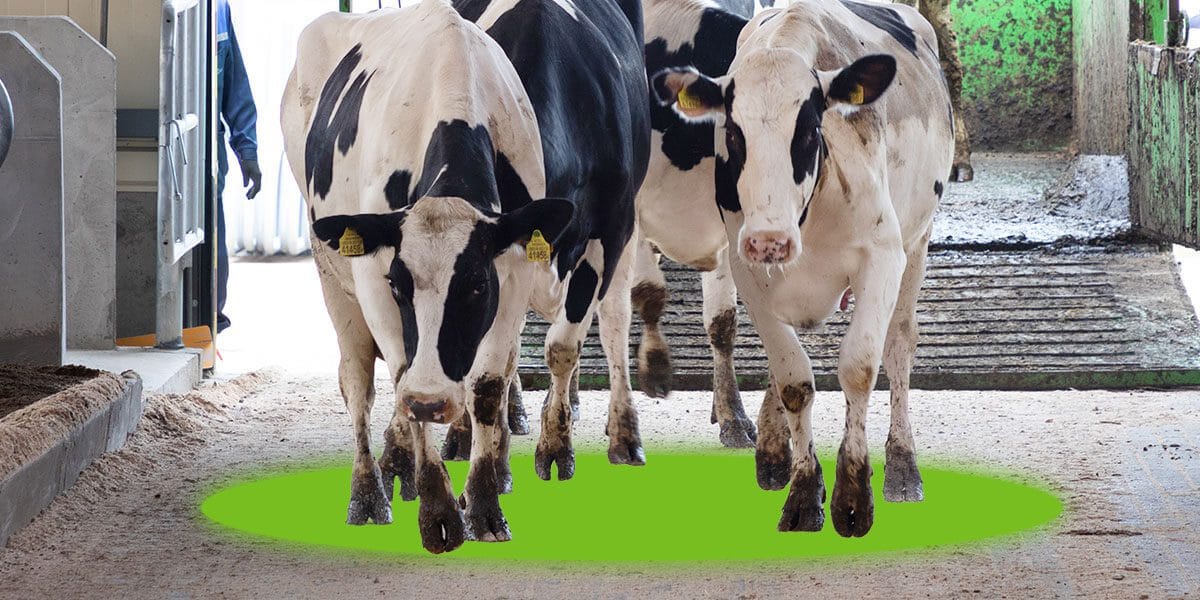
Run your manure scrapers frequently. Check their operation frequency and increase it if needed. Cows shouldn’t walk through slurry to reach the parlour, feed bunk, or chute.
Fill potholes where cows stand. They collect water and manure, creating wet spots that soften hooves and promote bacterial growth. Regularly check high-traffic areas and address drainage problems.
Check your barn capacity. Overcrowding creates dirty conditions faster than scrapers can handle. If alleys stay dirty despite frequent scraping, you have too many cows for your space.

Watch your cows move each day
During milking, feeding, or pen checks, observe their walking. Gait changes often appear before clear signs of lameness. A cow shifting weight or standing with an arched back needs same-day attention.
Trust what you see. You know your cows. When one moves differently, check their feet immediately. Early problems are simpler to address.
Schedule trimming
Most herds need a qualified trimmer every 4-6 months. University of Wisconsin research shows this schedule maintains proper hoof angles and catches developing issues before they lead to lameness.
Keep alleys leading to your chute clean. When cows walk on clean floors into the chute, their hooves are cleaner when you start working on them.
How to Clean Hooves with a Cow in the Chute
Problems can arise in well-managed barns. If you have the right tools, you can address issues promptly, rather than waiting for your next scheduled hoof trim.

Essential tools for hoof care and cleaning
- A hoof trimming chute provides proper restraint to protect everyone. Working on a cow’s foot without secure positioning is risky.
- The hoof pick removes packed material between claws.
- I prefer to use a clean towel or rag to wipe the hoof before trimming or treatment, rather than water. This is a simple, effective alternative to hoof cleaning that keeps tissue dry.
- An air hose on compressed air is another hoof cleaner alternative to remove loose debris without adding moisture.
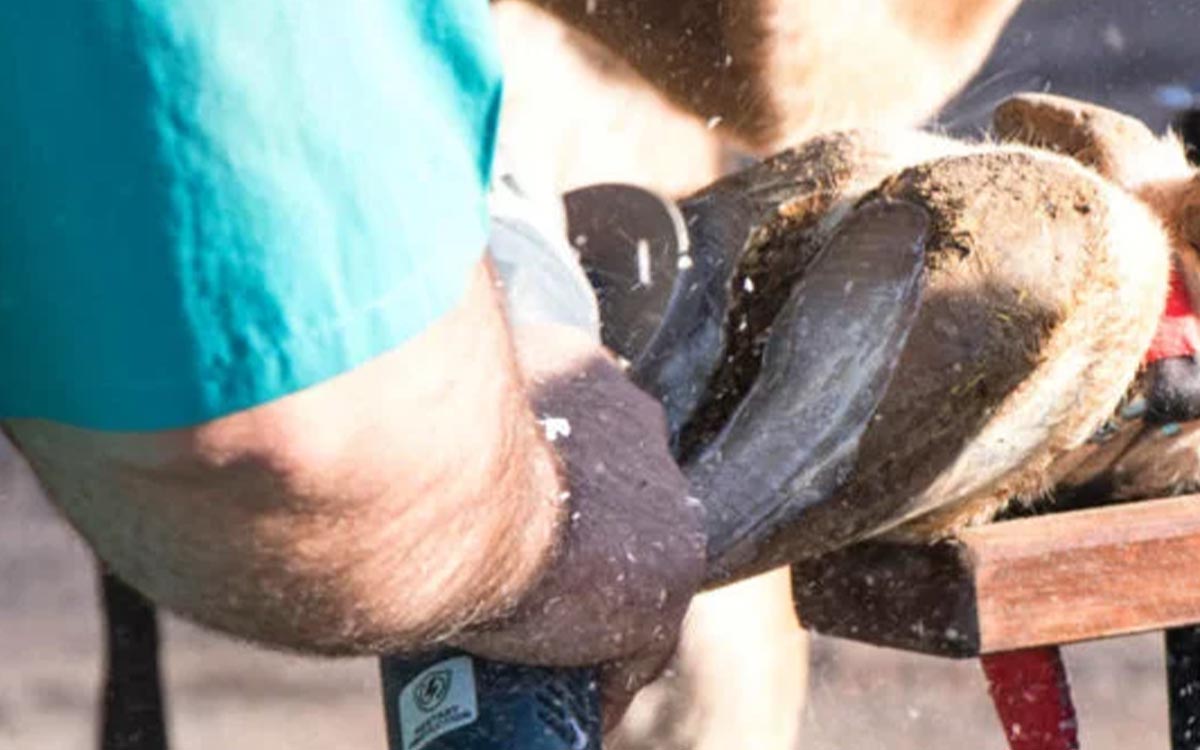
- A professional hoof knife trims loose horn and addresses infected tissue, and sharp blades are crucial.
- Wear safety glasses, gloves, and washable boots to ensure safety during hoof work.
The Diamond Hoof Care Essentials Kit includes high-quality tools for regular hoof work.
Steps to Clean a Hoof
You’ve got a lame cow in your hoof trimming chute. Here’s the prep work before trimming or treatment.
Step 1: Remove Packed Material
Use your hoof pick to dig out packed manure, stones, and debris. Focus on the space between the claws where material hides.
Step 2: Dry Clean the Hoof
Grab a clean towel and wipe the hoof surface. I prefer this method because I don’t like water on my hands, and treatments work better on dry tissue.
Use an air hose to blow off remaining debris. The aim is a clean, dry surface before trimming or applying treatment.
Step 3: Inspect and Resolve Problems
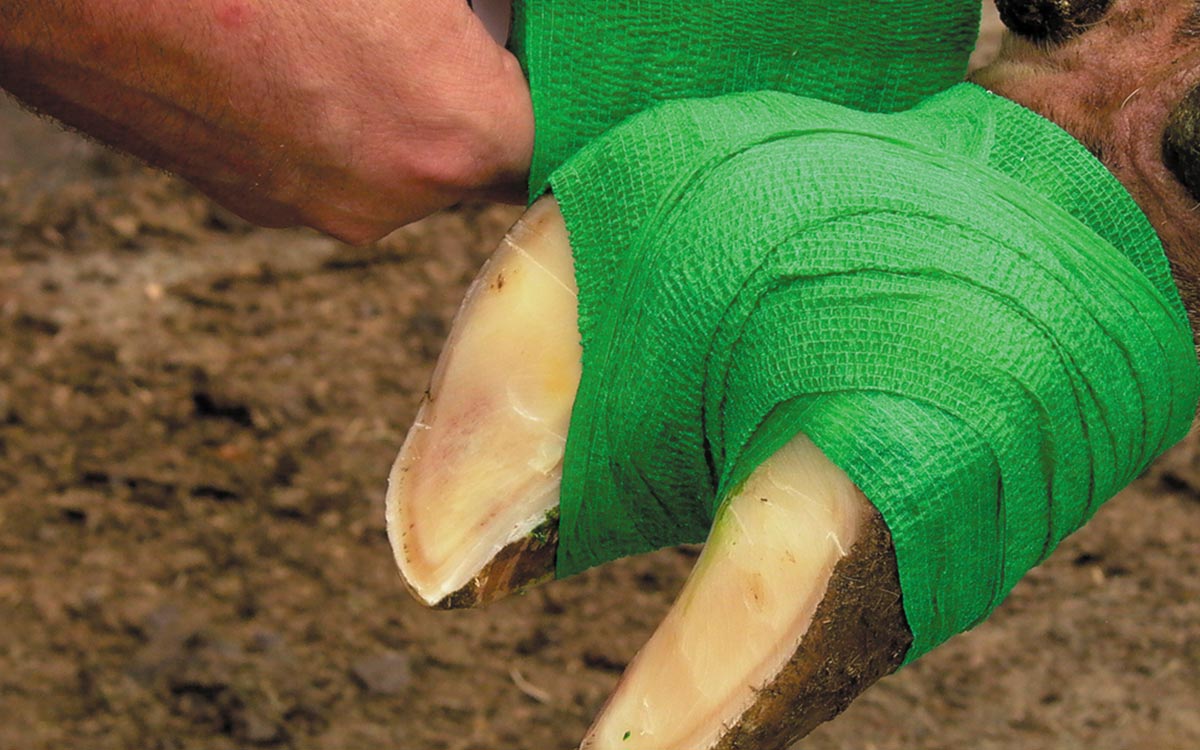
After cleaning the hoof, thoroughly examine it. Check for heat, swelling, cracks, soft spots, or foul odours. Early detection saves money and prevents pain. Document your findings and actions. These records help identify herd patterns. For reference, use our printable Hoof Disease Chart and keep a Record Keeping Worksheet at the chute.

Hoof Disease Reference Chart
This simple chart provides an overview of the different cattle diseases and will help you diagnose hoof problems.
Free DownloadKeeping Hooves Clean Between Chute Work
Farmers ask about cleaning schedules for a checklist. The answer disappoints them because effective hoof care does not operate that way.
Your job is simple between professional trims: observe and act. Watch cow movement during milking and feeding. If you spot a gait change or different standing, handle it that day. Don’t wait for your trimmer’s next visit.
Focus on the environment, not cleaning routines
Barn dryness matters most. Wet floors soften hooves and promote bacterial growth. Dr. Laura Solano’s research confirms that dry conditions lead to healthier ones.
Focus on these environmental factors:
- Before they cause hoof issues, fix drainage problems. Water should flow away from standing areas, not accumulate around cows’ feet.
- Provide dry, comfortable bedding to encourage cows to lie down and rest, relieving pressure on their feet.
- Monitor stall use. If cows avoid lying down, investigate. Prolonged standing damages hooves.
Observation is the difference between prevention and treatment. Early-caught problems cost less and cause less discomfort.

Conclusion
To understand cattle hoof maintenance, first focus on the barn environment. Keep floors clean and dry, observe your cows’ moves daily, catch problems early, and know what to do when you have a cow in the chute.
Farmers with the healthiest herds don’t waste time cleaning hooves daily. They prevent problems through facility management and observation. When issues arise, they address them immediately with the right equipment.
Start with clean floors, good drainage, and frequent observation. Your investment in prevention results in healthier cows and fewer treatments.
Q&A
How often should I clean cattle’s hooves?
Don’t wash hooves on a schedule. Keep barn floors clean by frequently scraping and ensuring good drainage. Watch cows daily for gait changes. Schedule professional trimming every 4-6 months. Address problems in your chute the same day.
Can I clean hooves without a chute?
Working on cow hooves without proper restraint is dangerous. A quality chute is essential safety equipment. The investment protects you and your cows and makes the work manageable. Many farmers get hurt trying to cut costs on restraint equipment.