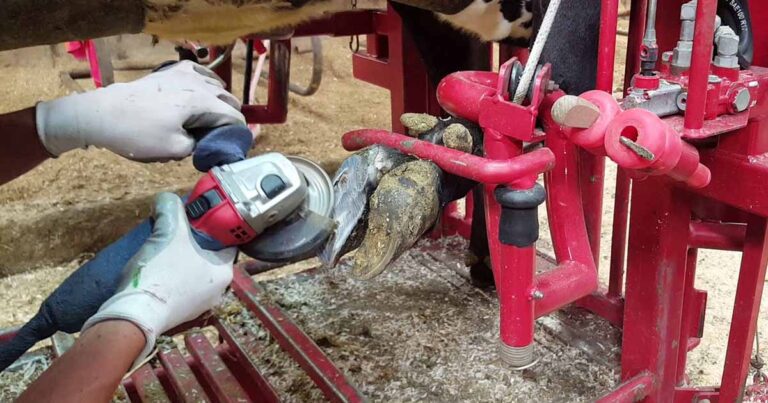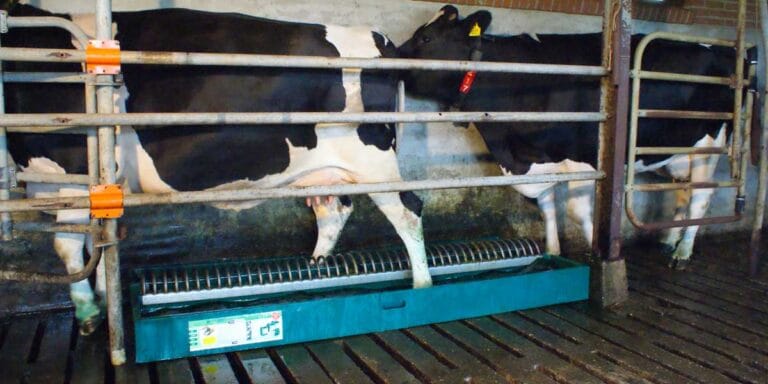


Hoof cracks in cattle are more than a cosmetic problem. Cows rely on their hooves for weight support and mobility, and a cracked hoof can mean pain, lameness and lost production. In more than thirty years of trimming, I have learned that the type of crack and where it sits tell you what caused it. Here are the six types I see most, their causes, when to worry, and how to treat and prevent them.
Hoof cracks in cattle usually come from four things: trimming that leaves the claw out of balance, a ration short on minerals and vitamins such as zinc, copper, selenium and biotin, hoof infections such as digital dermatitis, and wet, dirty or rough floors. Where the crack sits points to the cause: a white line crack to laminitis or pressure, a crack at the hairline to digital dermatitis, a horizontal ring to illness or stress months ago. A deep crack, bleeding, infection or a limping cow needs your trimmer or vet right away.
What Is a Cracked Hoof?
A cracked hoof is any split, separation or groove in the horn of a cow’s claw, and where it sits tells you what caused it. I often get this call: “What should I do? My cow’s hoof is cracked, and she’s limping.”
Sounds straightforward, right? But after thirty years, when a farmer says “cracked,” they might mean something different from what I picture. One farmer points to a separation in the white line. Another shows me a vertical split in the wall. A third looks at a horizontal growth ring. They all call it a “crack,” but each needs different treatment.
So my first question is always: “Where do you see this crack?” Location tells me most of what I need to know about what is happening and what we need to do.
What Types of Hoof Cracks Do Cows Get?
Six types cover almost every hoof crack I see on dairy farms, and not all of them need urgent attention. Here they are at a glance, starting with the most common in a dairy herd:
White Line Defect: The Most Common Crack
The sole and wall horn separate, creating a crack in the white line that can extend up toward the coronary band. It is caused by laminitis or excessive pressure on the hoof. I see this more than any other type during routine trimming. The Merck Veterinary Manual explains why it matters: the gap lets bacteria and dirt in, and that can lead to an abscess under the wall. More on this in our guide to white line disease. If caught early, you can prevent significant lameness.
Crack at the Hairline: The Digital Dermatitis Connection
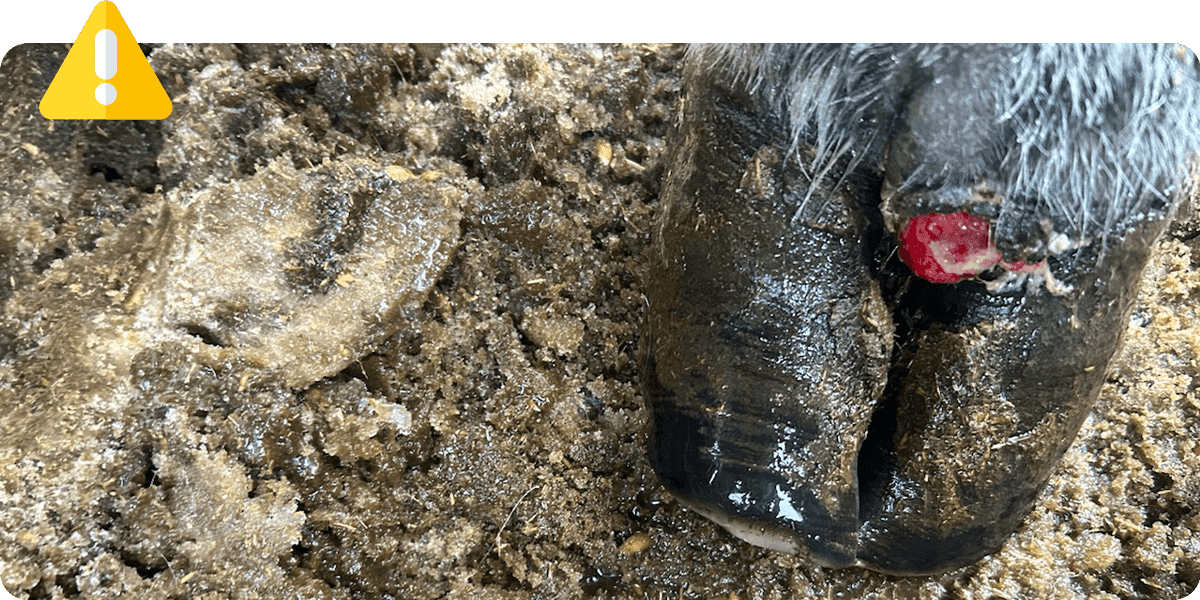
Digital dermatitis can affect the coronary band at the front of the hoof, between the toes. As the infection progresses, the corium bulges out through the crack. The cow shifts her weight toward the heels, and the toes grow long quickly. This crack shows an active digital dermatitis infection affecting horn growth, and it can cause lameness for months.
Vertical Wall Crack: The Dry Environment Issue
A vertical wall crack, also called a sand crack, runs down the wall from the coronary band toward the sole. Merck notes these are more common in beef cattle in hot, dry and sandy climates, and in the front feet of beef cattle on pasture. Dairy farmers in dry climates might see them, though they are less common in my area. A vertical crack only causes lameness once it reaches the living tissue under the horn.
Horizontal Wall Crack: The Stress Indicator
These cracks, or growth rings, run across the wall, parallel to the coronary band. They show the cow went through significant stress months ago: metabolic problems, illness or a sudden feed change leave their mark as the hoof grows out. Merck adds that they usually appear on several claws of the same cow at about the same height. If one is deep and reaches the toe of an overgrown claw, the tip can break off and cause severe lameness.
Double Sole: The Laminitis Legacy
A crack shows at the heel where the sole has separated from the corium, or where a second layer of horn has grown underneath. This comes from earlier laminitis and creates a cavity where manure and stones collect and infection breeds. You will find these when trimming cows that had laminitis earlier in the lactation. More in our page on double sole.
Traumatic Cracks: When Accidents Happen
I have seen hooves cracked open when a manure scraper catches them at the wrong angle or when a cow steps into equipment. These injuries are different because they happen instantly, to healthy hooves, with no warning signs. If you notice a sudden split, call your veterinarian to check for infection risk and deeper damage. The exposed tissue is open to bacteria, and the force may have hurt structures inside the claw.
What Causes Hoof Cracks in Cattle?
Hoof cracks in cattle come from four things: trimming and hoof management, nutrition, infectious hoof diseases, and the barn environment. After thirty years of trimming, I have learned that a crack rarely has just one cause; it is usually a combination. The good news: once you know what contributes, you can see where changes might help your herd.
Hoof Trimming and Management
Cow hooves, like human nails, grow continuously. When they get too long, they develop defects and put extra stress on the claws and ligaments. Regular trimming keeps the right shape and length and lowers the risk of cracks.
Trimming takes skill and the right tools, such as hoof knives and electric grinders. Careful shaping spreads the weight evenly across the hoof. Uneven weight puts too much stress on one area, which makes it prone to double soles and sole ulcers.
Getting the trim right takes practice and a good eye. Removing too much horn can make the white line separate under pressure, and those cracks are painful and take months to heal. When in doubt, trim less. You can take more off next time, but you cannot put the horn back.
Poor Nutrition
A ration short on key minerals and vitamins weakens the horn and makes it more likely to crack. Strong hooves need enough of these:
- Biotin: essential for horn quality and growth.
- Zinc: needed to build the keratin that makes the hoof wall strong.
- Copper: helps bind the keratin fibres together for proper horn formation.
- Selenium: works with vitamin E to protect the horn and the tissue that grows it.
A review of the research on nutrients and hoof health confirms the role of each of these four (Langova et al., Animals, 2020). Biotin has the best field evidence for cracks: in a Saskatchewan herd of Hereford beef cows with a history of the problem, 15 percent of the cows fed extra biotin had vertical wall cracks after 18 months, against 33 percent of cows without it (Campbell, Greenough and Petrie, Canadian Veterinary Journal, 2000).
Work with your nutritionist to make sure the ration has enough of these trace minerals. If you see patterns like widespread soft horn or recurring cracks, your vet can run blood tests to measure mineral levels in your cows. Testing finds a shortfall early, so you can adjust before cracks become a herd problem.
Infectious Hoof Diseases
Bacterial infections are the second major cause of cracks I see. Foot rot and digital dermatitis weaken the hoof structure and cause lameness. The infection damages the horn, so cracks become more likely and harder to heal.
Foot rot progresses rapidly and needs immediate attention. Bacteria invade between the toes and cause inflammation that tears the tissue apart. The infection separates the hard horn wall from the soft tissue between the claws, so the rigid horn presses against exposed tissue with every step. Cows can go from sound to severely lame in 48 hours. Watch for swelling between and above the claws, heat in the hoof and a foul smell. Early treatment stops the infection before it damages the horn for good.
Digital dermatitis creates stubborn cracks. This bacterial infection thrives in wet, dirty conditions and attacks the coronary band, where new horn grows. When it damages the coronary band, it disrupts horn production. Cracks form at the growth point, do not fully heal on their own, and grow down with the hoof. Catch it early: regular foot baths or spraying keep bacteria down before permanent damage occurs. Once cracks form, recovery takes months, so prevention beats treatment.
Environment and Flooring
Wet, dirty conditions soften the horn and breed infection. Standing water, poor drainage and manure weaken the horn and promote diseases like digital dermatitis and foot rot. Clean, dry bedding and enough free stalls give cows the lying time they need to keep their hooves in good condition.
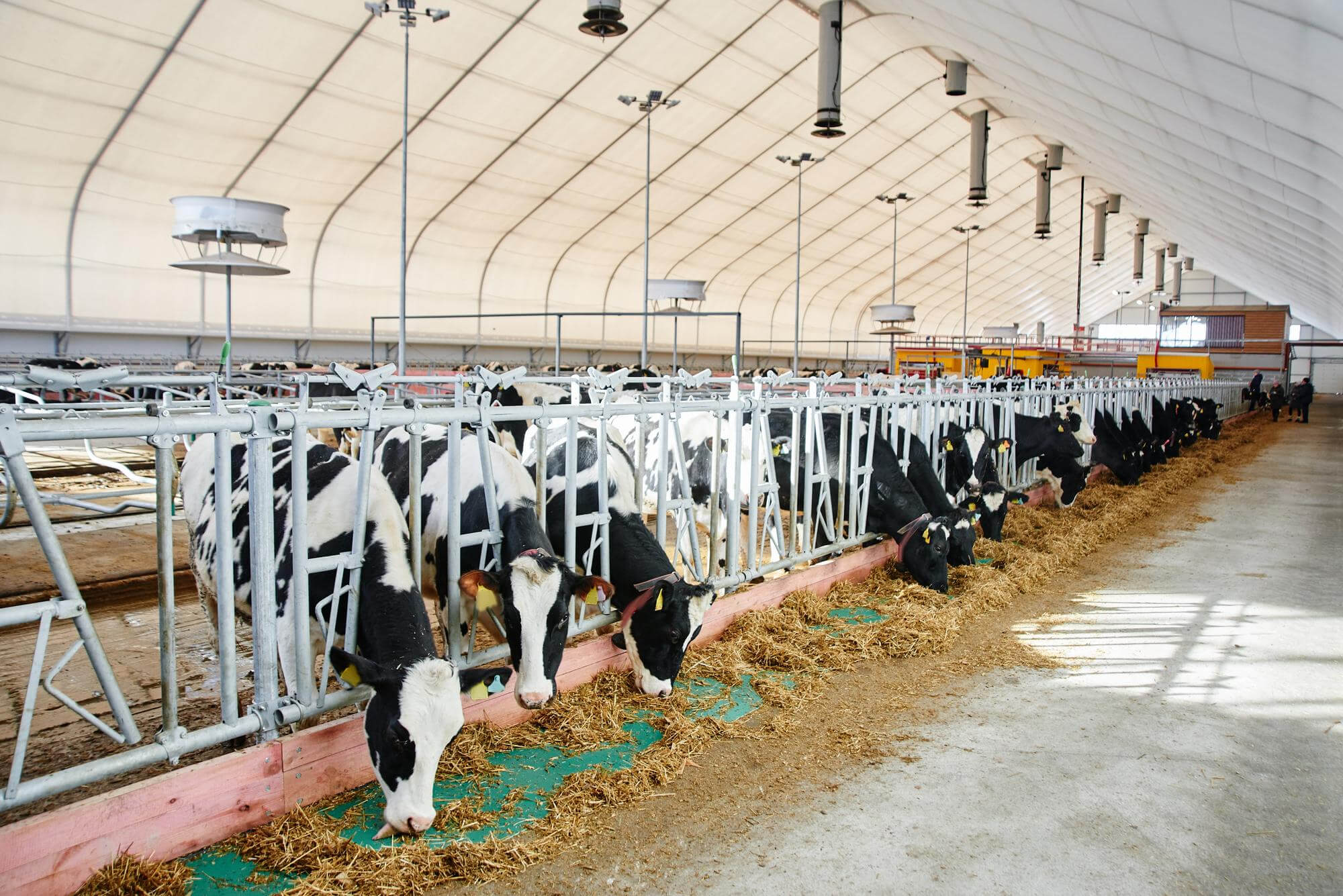
Getting flooring right means finding a balance. Abrasive concrete prevents slipping but can wear hooves too much. Sand and pebbles pushed into the white line cause separations and cracks. Uneven surfaces concentrate pressure on one part of the claw, often the white line. Rubber flooring in high-traffic areas, especially where cows turn, reduces wear and stress; I wrote more about this in a Hoof Clips newsletter. Regular pasture maintenance and debris removal make the environment kinder to hooves.
When Should You Worry About a Hoof Crack?
Worry when the crack is deep, when the cow limps, bleeds or smells of infection, or when cracks keep coming back in your herd. A shallow crack on the outer wall of a cow that walks fine and shows no sensitivity can wait until the next trim. Not every crack needs immediate attention, but every one deserves a look. In these three situations, call your trimmer or vet right away.
Deep Cracks or Exposed Tissue
When a crack reaches the corium, the living tissue inside the hoof, you invite infection and serious pain. The most worrying are digital dermatitis lesions attacking the coronary band at the front of the hoof. When that infection hits the hairline where new horn grows, the crack grows down with the hoof and causes lameness for months. Act quickly here, because without treatment the damage can become permanent.
Limping, Bleeding or Infection
A limping cow tells you the crack hurts. Do not wait to see if it gets better: she shifts her weight to her other legs, and soon you have one bad hoof and three under extra stress, with new lameness on top of the first problem. The smell of pus means the crack has gone from a structural problem to an active infection, which can take a productive cow out of production in less than a week.
Recurring Cracks in Your Herd
When the same cow keeps developing cracks, or several animals show the same pattern, something in your system needs fixing. Step back and look at the whole picture. Talk with your nutritionist about the ration, check barn hygiene and drainage, and ask whether your trimming program is on schedule and the technique is right. The cracks are giving you clues. If you score locomotion, you will spot the lame cows sooner.
How Are Hoof Cracks Treated?
Most hoof cracks are treated by trimming the claw back into balance and taking weight off the cracked part, with a topical product or a vet’s care when there is infection. Our cow hoof repair guide walks through the full restoration steps; here is what I do for cracks.
Trimming and Blocks
I clean the claw, trim to restore balance and cut away loose horn so dirt cannot pack into the crack. Merck advises a hoof block on the healthy claw for vertical wall cracks, because it takes the force off the cracked wall while it grows back. For a horizontal crack that has reached the toe, the loose piece of horn should be removed, so it does not pinch the tissue underneath when the cow pushes off.
Topical Treatments and Sprays
After cleaning and trimming, a topical product supports healing and protects the claw. The choice depends on the cause of the crack.
I use Hoof-fit Gel for cracks that come with digital dermatitis lesions. It is a non-antibiotic topical gel for digital dermatitis. Apply it to the cleaned lesion and crack area as the label directs, and keep going until you see clear signs of healing.
Repiderma fits into a maintenance program between trimmings: it promotes healthy hooves and skin.
The key with any topical product is consistency. A single application will not fix a crack that took weeks or months to develop. Follow the protocol, watch the healing, and adjust based on what you see.
Veterinary Care for Severe Cracks or Infections
Some cracks need more than a trimmer. Cracks that expose the corium, any with signs of infection (pus, severe swelling or a foul odour), lameness that does not improve with basic treatment, and cracks that keep coming back all need a veterinarian.
Your vet brings skills that complement my work with the knife. They can prescribe antibiotics for infections that have spread, manage pain to keep the cow comfortable, surgically remove dead or infected tissue, and find the underlying cause. I work closely with veterinarians on complicated cases, and working together gets better results than working alone.
How Do You Stop a Cow’s Hoof From Cracking?
You stop hoof cracks with regular, balanced trimming, foot baths or spraying, clean and dry floors, and a ration with enough trace minerals. Prevention beats treatment. I would rather maintain healthy hooves than deal with complicated crack cases, and most hoof cracks can be prevented.
Proper Hoof Trimming
Regular trimming prevents cracks from forming. I trained on the Dutch method in Oenkerk, Netherlands, and it has served me well for decades. The core principle is to balance the claws so the weight is spread evenly between them. Our step-by-step trimming guide shows the method.
Balanced claws prevent the excess pressure that creates white line cracks. When a cow shows early signs of separation, I trim to restore balance and redistribute the weight, so the crack does not spread. Often it has grown out by the next trim.
Do not wait until hooves are overgrown. The Merck Veterinary Manual advises checking dairy cows, and trimming if needed, every 4 to 6 months, and every 3 to 4 months for cows with a history of hoof lesions. More on timing in how often to trim cattle hooves. Once cracks become severe, you are playing catch-up instead of preventing problems.
Use Foot Baths or Spraying
Regular foot bathing or spraying is how most farms keep digital dermatitis, and the cracks it causes at the front of the hoof, under control. Hoof Sol Bath promotes and maintains healthy hooves across the herd.
I prefer spraying with Hoof Sol Spray. Every cow gets fresh solution applied directly to her hooves: no dilution issues, no cows jumping over the bath, no solution breaking down with manure. You also look at each hoof as you spray, so you catch problems before they turn into cracks.
Spraying lets you target specific areas. If you are dealing with digital dermatitis, make sure the solution reaches the front of the hoof, where infections usually start. With a bath, you aim and hope for coverage. With spraying, you know you got it. Read more on foot bathing and digital dermatitis.

Hoof Sol Spray is a high-quality product designed to promote and maintain healthy hooves in cows.
Visit StoreBeyond the Foot Bath
Barn hygiene is crucial for crack prevention. Clean, dry floors and fresh bedding reduce the bacteria that cause infections and cracks, and many farms improve hoof health just by tightening their cleaning schedule and fixing drainage.
Nutrition supports everything else. You can trim perfectly and run the best foot bath program, but if cows lack the trace minerals for strong horn, cracks will keep appearing. Work with your nutritionist to make sure biotin, zinc, copper and selenium meet your herd’s needs. Strong horn resists cracking; weak horn does not stand a chance.
Cracked hooves do not have to become a chronic problem in your herd. Your cows’ hooves reflect your management system, so when cracks appear, they point to nutrition gaps, environment issues or trimming problems. For practical insights on hoof health and lameness prevention, sign up for our Hoof Clips newsletter.
Hoof Cracks in Cattle: Common Questions
How long does it take for a hoof crack to heal?
It depends on how deep the crack is and where it sits. Shallow wall cracks may grow out in 2 to 3 months, while deep cracks in the white line or cracks with infection can take 4 to 6 months. Cracks from digital dermatitis at the coronary band can take 6 to 9 months, because the damage is at the growth point where new horn forms.
Are vertical hoof cracks in cattle serious?
Not always. A vertical crack that stays in the outer horn often causes no lameness. It becomes serious when it reaches the living tissue underneath: then the cow limps and the crack can get infected. A trimmer can relieve it with a block on the healthy claw while the wall grows back.
Does a cracked hoof hurt a cow?
Only when the crack reaches the corium, the living tissue under the horn, or when it gets infected. A shallow crack in the horn alone does not hurt, but it can deepen, so have it checked at the next trim.
Can I trim a hoof crack myself?
With proper training, you can handle a simple, shallow crack yourself. The challenge is knowing what to cut and what to leave without damaging the sensitive tissue. For anything deep, painful or complicated, call a professional trimmer or your veterinarian. This is learned through hands-on training, such as Vic’s Hoof Trimming Course, not from online videos.
Can better nutrition prevent hoof cracks?
It helps. Biotin, zinc, copper and selenium all go into strong horn, and in a Saskatchewan study fewer beef cows fed extra biotin developed vertical wall cracks. Work with your nutritionist on the ration, and keep trimming and hygiene on track too.
- Lameness Originating in the Hoof in Cattle, Cramer G., Merck Veterinary Manual (sections on white line disease and on axial, horizontal and vertical fissures).
- Components of a Hoof-Trimming Program in Cattle, Cramer G. et al., Merck Veterinary Manual, last updated April 2025.
- Impact of Nutrients on the Hoof Health in Cattle, Langova L. et al., Animals 10(10): 1824, 2020.
- The effects of dietary biotin supplementation on vertical fissures of the claw wall in beef cattle, Campbell J. R., Greenough P. R. and Petrie L., Canadian Veterinary Journal 41(9): 690 to 694, 2000.
- Trimming cows' feet: the five-step Dutch method, AHDB (Agriculture and Horticulture Development Board, UK).